

Choosing between a hands-on tackle and hiring trade specialists is one of the most significant financial and operational decisions you will make during a remodel. Taking on a project yourself eliminates trade labor overhead, but taking on jobs beyond your technical skillset risks structural errors, code violations, and costly rework. Evaluating your personal skill level, tool availability, and available time against contractor estimates allows you to determine whether a DIY approach or a professional crew aligns best with your property goals.
DIY vs Professional Home Renovation: Which Is Right for You?
Deciding between a DIY vs professional home renovation path requires looking past surface-level cost savings and analyzing the full project scope. While tackling home updates on your own can eliminate significant labor costs, professional contractors bring specialized equipment, trade licenses, and speed that minimize living disruption.
RENOVATION EXECUTION SPECTRUM [ FULL DIY APPROACH ] ----> Maximum labor savings, extended timeline, personal effort +-------------------+ | | [ HYBRID APPROACH ] ---> DIY cosmetic prep/demo + Pro mechanical installation | +-----------------+ | | v v [ FULL PRO CONTRACTOR ] -> High efficiency, trade warranties, capital investment
Finding the right balance depends on the complexity of the work, local building codes, and how much physical time you can realistically commit. Evaluating a DIY home renovation against hiring a professional home renovation team ensures your capital is spent efficiently while keeping your property safe and compliant. It helps to plan your renovation around your budget before deciding which approach to take.

Start With the Type of Renovation You Want to Do
Categorizing your intended home renovation projects by trade complexity prevents you from underestimating labor demands. Surface-level cosmetic updates require an entirely different skill set than structural reconfigurations or utility overhauls.
Cosmetic improvements generally involve low-risk tasks like painting interior walls, replacing cabinet hardware, or laying floating laminate flooring. These projects carry minimal structural risk, making them ideal entry points for DIY execution. In contrast, structural and mechanical modifications—such as knocking down partition walls, expanding electrical sub-panels, or relocating drain lines—require licensed trade knowledge and building permits. Categorizing these renovation project types early establishes clear execution boundaries before any demolition begins. It is crucial to determine which structural projects to tackle first to avoid taking on too much risk.
Know Which Renovation Jobs Are Realistic to DIY
Identifying realistic DIY renovation projects keeps your project moving smoothly without creating unnecessary structural hazards. Tasks that rely on steady hand tools, basic measuring, and straightforward material instructions are well-suited for motivated homeowners.
Successful DIY home improvement efforts typically include:
- Painting interior rooms, trim, and doors using proper masking techniques.
- Installing floating vinyl plank or laminate flooring across pre-leveled subfloors.
- Replacing surface-mounted lighting fixtures, ceiling fans, and decorative outlet covers on existing circuits.
- Assembling prefabricated cabinetry, hanging open shelving, and fitting new door hardware.
Focusing your personal labor on these accessible DIY renovation ideas allows you to harvest substantial savings without compromising the core mechanical systems of your home. These tasks also align well with home improvements that add long-term value without requiring heavy trade labor.
Know When a Professional Is the Better Choice
Recognizing when to hire a professional remodeler protects your property value and keeps your family safe. Certain home systems carry strict legal liabilities, specialized code requirements, and severe safety risks if installed incorrectly.
CRITICAL PRO-ONLY BOUNDARIES [ STRUCTURAL INTEGRITY ] -> Load-bearing beam sizing, foundation piers & roof framing [ ELECTRICAL SYSTEMS ] -> Main panel upgrades, high-voltage wiring & hardwired sub-circuits [ PLUMBING INFRASTRUCTURE]-> Gas line extensions, main drain tie-ins & shower waterproofing [ HAZARD REMEDIATION ] -> Lead paint containment, asbestos abatement & mold removal
Hiring licensed renovation contractors for these specialized fields ensures compliance with local building codes, passes municipal inspections, and protects your homeowner insurance coverage. Before reaching out to trades, it helps to compare contractor estimates side-by-side to find the right professionals for the job.
Compare DIY and Professional Renovation Costs
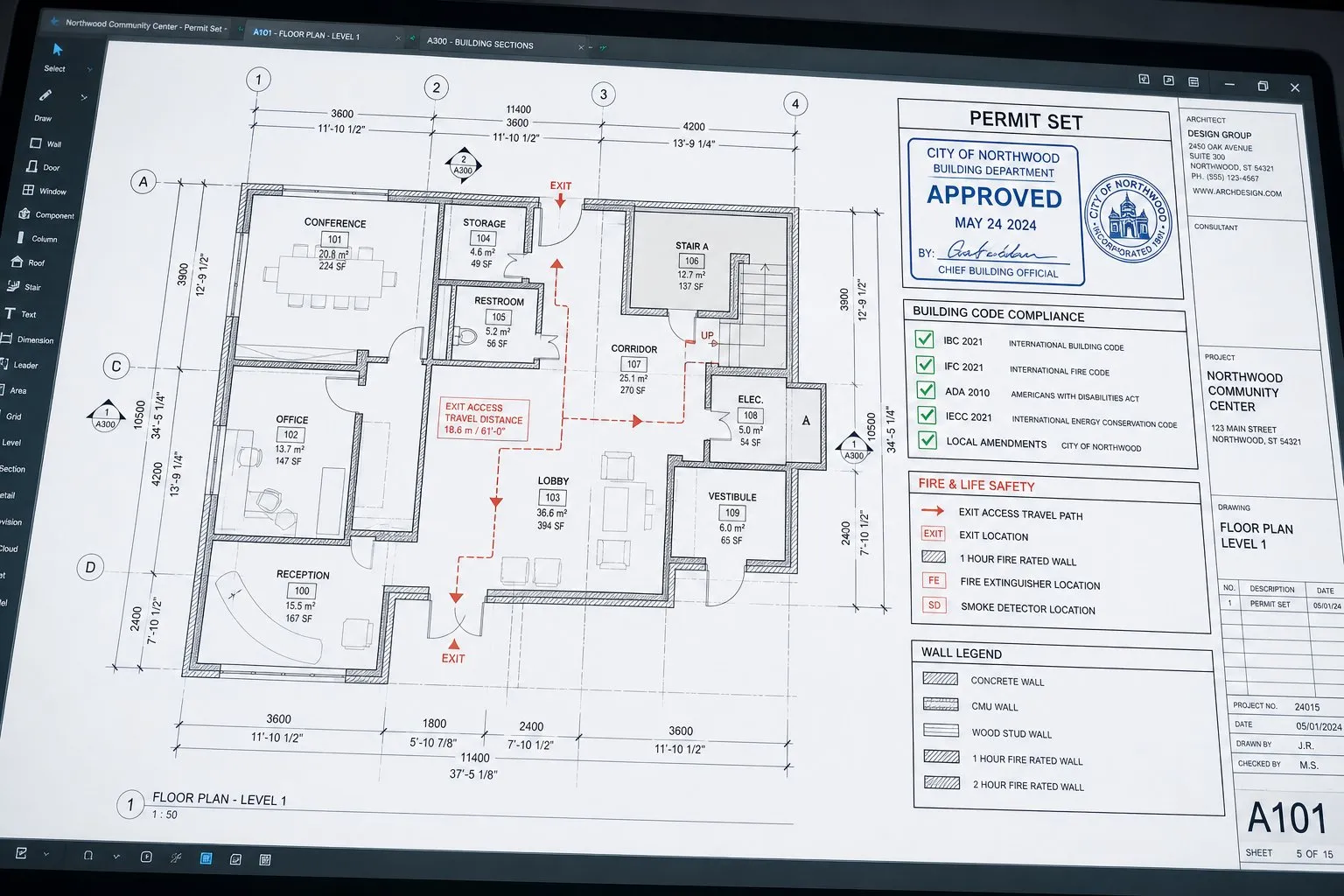
Evaluating DIY vs contractor cost metrics requires accounting for physical tools, material waste, and delivery fees alongside raw labor estimates. While labor often accounts for 40 to 60 percent of a contractor renovation cost, DIY projects carry hidden overhead that can narrow the savings gap.
| Cost Component | DIY Renovation Cost | Contractor Renovation Cost |
|---|---|---|
| Trade Labor | $0 (Sweat Equity) | Included in fixed contractor bid |
| Tool Acquisition | Rental or purchase required | Contractor provides industrial gear |
| Material Scrap Rate | 15–20% (Higher risk of measurement errors) | 5–10% (Professional efficiency) |
| Warranties & Guarantees | Self-funded repairs for mistakes | Trade liability insurance & work warranties |
Calculating a realistic DIY renovation cost requires adding specialized tool rentals, material delivery fees, and potential scrap allowances to your baseline budget before assuming a DIY route is automatically cheaper. Be sure to manage your overall renovation budget to account for these hidden DIY expenses.
Calculate the Value of Your Own Time
Calculating your DIY renovation time is a crucial part of project planning that many homeowners overlook. Spending every evening and weekend for six months tiling a bathroom creates substantial personal fatigue and extends household disruption.
Consider how your available hours compare to professional completion speeds:
A professional tiling crew can backer-board, tile, grout, and seal a primary bathroom in three days.
An inexperienced homeowner working after work hours often takes four to six weeks to achieve a similar result.
Weighing personal labor hours against daily family life, work commitments, and living comfort ensures that your labor savings do not come at the cost of personal burnout. You can survive living at home during a long-term renovation by setting strict timelines and boundaries.
Consider Tools, Materials, and Skills You Already Have
Assessing your current inventory of renovation tools and practical skills helps determine whether a hands-on approach makes financial sense. Purchasing specialized machinery for a single project quickly erodes your anticipated savings.
Essential DIY home improvement tools required for medium-scale remodels include:
- Compound miter saws, table saws, and heavy-duty oscillating multi-tools.
- Rotary laser levels, digital angle gauges, and stud finders.
- Pneumatic finish nailers, air compressors, and heavy-duty tile wet saws.
If you must purchase or rent these specialized tools from scratch, hiring a professional renovation team that already owns commercial-grade equipment often proves more cost-effective. It helps to calculate accurate contractor labor rates to see if renting tools is truly cheaper.
Understand the Risk of Mistakes and Rework
Accounting for DIY renovation mistakes is essential when planning a budget. Incorrectly waterproofing a shower pan, setting tile over an uneven subfloor, or cutting trim incorrectly leads to material waste and expensive contractor repair fees.
THE COST OF REWORK CYCLE [ INITIAL DIY ATTEMPT ] ---> Material costs spent + personal labor hours invested +-------------------------+ | v [ INSTALLATION ERROR ] ---> Water leak, uneven subfloor, or failed inspection +-------------------------+ | v [ DEMOLITION & CLEANUP ] ---> Tear out damaged materials + disposal fees +-------------------------+ | v [ PROFESSIONAL REPAIR ] ---> Pay contractor labor fees to rebuild from scratch
Factoring potential rework costs into your initial decision helps protect your reserves from compounding trade expenses. Taking steps to avoid home renovation regret means knowing when to step back and call a professional.
Decide Which Jobs to DIY and Which to Hire Out
You do not have to choose strictly between complete DIY and hiring a turnkey contractor. Embracing a hybrid strategy allows you to combine personal labor with trade expertise to maximize budget efficiency.
Effective hybrid division of labor strategies:
- Personal Demo & Prep Work: Handle carpet removal, wall scraping, debris hauling, and paint preparation yourself before contractors arrive.
- Professional Rough-In: Hire licensed plumbers and electricians to run hidden supply lines, drains, and electrical wiring behind open studs.
- Professional Finishing: Bring in specialized trades for high-skill tasks like custom quartz countertop fabrication or hardwood floor sanding.
- Personal Trim & Detail: Complete final wall paint, attach baseboards, install switch plates, and hang decorative hardware on your own schedule.
Dividing tasks strategically lets you keep specialized trade costs focused strictly on complex installations while handling simpler tasks yourself. You can split the work into manageable stages to make a hybrid approach even more effective.
Compare the Timeline for DIY and Professional Work
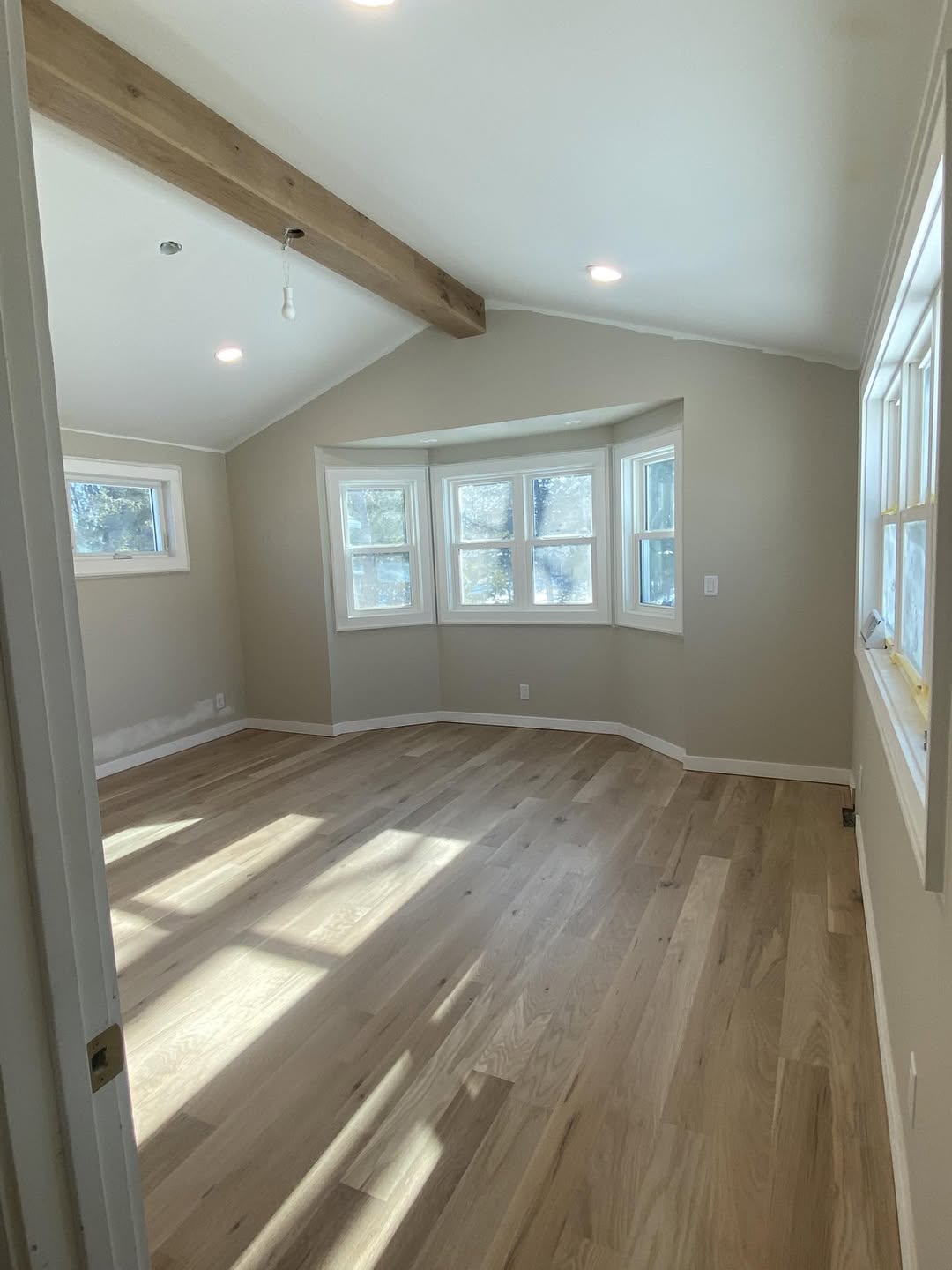
Time constraints heavily influence which approach fits your household best. A professional home renovation crew operates with dedicated trade teams working consecutive full-time days to complete projects on a structured schedule.
Conversely, a DIY renovation timeline relies on personal free time outside of work and family obligations. A kitchen update that a general contractor completes in three weeks can stretch into a three-month endeavor when handled as a solo weekend project. If living in an active work zone for months causes severe household stress, hiring a home renovation contractor is well worth the investment. It helps to plan your whole house renovation timeline to see exactly how professional schedules compare to solo efforts.
Use a Renovation Plan to Decide Where You Need Help
Developing a structured home renovation planning document clarifies exactly where your skills end and trade expertise must begin. Mapping out every trade phase keeps you from taking on unexpected structural steps midway through construction.
DESIGNHOME SYNTHESIS™ PLANNING WORKFLOW +-----------------------------------------------------------+ | STEP 1: Upload Existing Room Photo or Floor Plan | | (Digitalize spatial dimensions & structural walls)| +-----------------------------------------------------------+ | v +-----------------------------------------------------------+ | STEP 2: Generative Intelligence System Explores Layouts | | - Simulate wall removals, spatial flow & finishes | | - Compare DIY cosmetic tweaks vs. full structural pro builds| +-----------------------------------------------------------+ | v +-----------------------------------------------------------+ | STEP 3: Generate Accurate Project Scope | | - Define exact DIY task limits vs. trade needs | | - Hand clear 3D plans directly to licensed contractors| +-----------------------------------------------------------+
Using DesignHome Synthesis™, you can preview your layout before spending money, test structural wall removals, evaluate spatial clearance, and preview completed layouts in photorealistic 3D. Visualizing the final design helps you see the visual impact of DIY changes versus full professional overhauls before spending money on materials or trade contracts.

Choose the Renovation Approach That Fits Your Budget, Skills, and Time
Making the final DIY vs professional home renovation decision comes down to balancing your available funds, practical skill set, and personal schedule.
Before committing to a path, walk through this final decision process:
- Evaluate Skill & Risk: If a task carries structural, electrical, or water damage risks, prioritize hiring a licensed professional.
- Audit Free Time: Ensure you have enough available hours to finish DIY tasks without creating indefinite household delays.
- Verify Tools & Budget: Calculate total tool rental and material costs to verify that DIY savings justify your personal effort.
- Visualize with DesignHome Synthesis™: Test design configurations digitally to generate accurate task scopes for yourself and your contractors.
Taking time to plan your execution strategy ensures your home remodeling project finishes on budget, on schedule, and with beautiful, lasting results. If you find the scope is too large to handle alone, you can refresh your house without a major renovation to reduce the need for heavy trade labor.
Frequently Asked Questions About DIY vs. Professional Home Renovation
How do I decide whether to DIY or hire a professional contractor for a home renovation?
Deciding between DIY and professional contractor work comes down to evaluating project complexity, safety risks, permit requirements, and your own physical bandwidth. Cosmetic updates—such as interior wall painting, installing floating flooring, or swapping out cabinet hardware—are ideal for self-execution. However, any task involving load-bearing structural walls, main electrical panel adjustments, gas line routing, or shower waterproofing carries high financial and safety liabilities. Evaluating whether a mistake will cause structural or water damage helps you draw a clear line between DIY and trade work.
Which home renovation projects are safest and easiest for DIYers?
The safest DIY projects are surface-level cosmetic updates that do not require building permits or specialized trade licenses. Painting walls and trim, assembling flat-pack cabinetry, hanging backsplash tile in dry areas, installing laminate or luxury vinyl plank flooring, and updating decorative light fixtures are excellent choices. These tasks allow homeowners to harvest solid labor savings without putting the home's structural integrity or utility systems at risk.
Which renovation tasks should always be left to licensed professionals?
You should always leave structural framing, main electrical panel upgrades, gas line modifications, roof replacements, and plumbing stack relocations to licensed, insured trade professionals. Attempting complex utility work without proper licensing creates severe fire and water damage hazards. Furthermore, improper waterproofing behind custom tile showers routinely causes hidden rot that costs tens of thousands of dollars to remediate down the road.
How much money can I realistically save by doing a DIY home renovation?
Labor typically accounts for 40 to 50 percent of a total renovation budget, which represents your maximum potential DIY savings. However, real-world savings are often lower due to material waste, tool purchases or rentals, and costly beginner mistakes. While handling basic demolition or painting yourself yields pure savings, making errors on complex tile layouts or drywall finishing can require hiring a professional contractor to tear out and redo the work, wiping out your initial budget gains. You can sequence your renovation steps properly to minimize the risk of compounding mistakes.
What are the hidden costs of DIY home remodeling?
Hidden DIY costs include specialized power tool purchases or daily rental fees, excess material waste from cutting errors, municipal permit fees, and the personal cost of lost time. Homeowners frequently forget to account for subfloor prep compounds, specialized fasteners, disposal fees for heavy debris, and potential time off work. Factoring in these secondary tool and material expenses gives you an accurate financial comparison against a professional contractor's itemized quote.
How does DIY renovation work affect home value and buyer resale perception?
High-quality DIY cosmetic work enhances home value, but poor craftsmanship actively depresses resale appraisal figures. Home buyers and professional home inspectors quickly spot uneven tile cuts, wavy drywall seams, ungrounded electrical outlets, and sloppy paint lines. Worse yet, unpermitted structural or electrical DIY work can halt real estate transactions during buyer inspections, forcing sellers to pay for emergency professional repairs or provide steep pricing credits before closing.
What building permit issues arise when doing DIY home renovations?
Many municipalities strictly require licensed contractors to pull permits and perform electrical, plumbing, HVAC, and structural work. Doing unpermitted DIY utility alterations violates local building codes and creates severe legal disclosure liabilities when selling your property. Additionally, if an unpermitted DIY electrical or plumbing issue causes a house fire or major flood, your homeowner's insurance policy may reject the damage claim entirely due to code non-compliance.
Is a hybrid renovation strategy combining DIY and professional trade labor effective?
A hybrid renovation strategy is one of the most effective ways to maximize your remodeling budget while protecting project quality. Under a hybrid plan, homeowners handle low-risk tasks like interior demolition, carpet removal, site cleanup, final wall painting, and trim installation. Professional trade crews are brought in specifically for structural alterations, sub-panel electrical work, plumbing rough-ins, and shower waterproofing, yielding substantial labor savings without compromising safety. You should evaluate whether your house is worth renovating before committing to a hybrid labor strategy.
How do warranties and insurance protection differ between DIY and contractor work?
Licensed general contractors carry general liability insurance and worker's compensation, and they typically provide a 1-to-5-year warranty on trade labor and craftsmanship. If a contractor's plumbing installation leaks, their insurance covers the water damage restoration. In contrast, DIY work carries zero labor warranties, and damages caused by improper DIY installation come directly out of your personal bank account.
How much longer does a DIY home renovation take compared to a professional crew?
DIY renovations typically take three to five times longer than professional builds because homeowners work during nights and weekends around their full-time jobs. A professional crew with dedicated sub-contractors can finish a full kitchen remodel in six weeks, whereas a solo DIYer might take six to nine months to complete the same scope. Considering how extended construction timelines impact your daily living situation is essential when planning your build. You can map out a realistic project timeline to see if DIY fits your schedule.
What essential tools and safety equipment are needed before starting a DIY renovation?
A successful DIY build requires investing in proper personal protective equipment (PPE)—including respirators, eye protection, and heavy-duty work gloves—alongside precision tools like laser levels, miter saws, oscillating multi-tools, and moisture meters. Attempting precise tile setting or trim installation with inadequate or low-grade tools leads to uneven finishes and higher material waste. Evaluating tool rental fees upfront ensures your equipment budget stays under control.
How does DesignHome Synthesis™ help evaluate DIY vs. professional renovation options?
DesignHome Synthesis™ helps you make informed DIY versus professional decisions by modeling spatial layouts, calculating exact material counts, and visualizing structural changes in photorealistic 3D before work begins. Trying to judge project complexity from rough paper sketches often leads homeowners to take on overwhelming tasks or overpay contractors for simple scopes. By uploading a room photo or floor plan to DesignHome Synthesis™, you unlock over 20 specialized visual planning tools powered by our layout intelligence system, letting you map out your exact trade scope, verify material square footages, and preview material arrangements in 3D to decide with complete confidence where to save money with DIY and where to hire licensed professionals.


