

Renovating while occupying your property saves thousands in temporary rental costs, but living in a construction zone tests anyone's patience. Dust in your coffee, power tools at 7:00 AM, and a kitchen torn down to the studs can make your home feel uninhabitable overnight.
How to Live at Home During a Renovation Without Losing Your Mind
Successfully living at home during renovation requires treating your house like two separate buildings: a controlled construction job site and a protected residential sanctuary.
Without clear boundaries, construction stress will spill into every aspect of your daily life. Living through a renovation isn't just about managing drywall and contractors; it's about preserving your daily sanity while staying home during renovation projects. It helps to prepare your house for a live-in renovation before demo day arrives.
DAILY RESILIENCE FRAMEWORK [ ZONE CREATION ] -------> Establish clear construction vs. living boundaries +-----------------+ | | [ HABITAT PROTECTION ] -> Dust barriers, air filtration & sealed doors | +--------------------+ | | | | [ ROUTINE STABILITY ] -> Set contractor work hours & sanctuary quiet times | | +--------------------+ | | | v v v [ ADAPTIVE SYSTEMS ] -> Temporary kitchen, off-site storage & staging
Mastering home renovation while living at home starts with setting realistic expectations, organizing your daily environment, and maintaining control over your surviving living spaces.

Decide Which Parts of the House You Can Still Use
Before demo day arrives, map out your usable interior square footage. Successfully living in house during renovation hinges on establishing strict "zones" across the floor plan.
If you don't define your boundaries early, crew members and material staging will naturally spill into your personal space. When renovating while living in house, careful home renovation planning prevents spatial encroachment.
| Zone Category | Purpose | Allowable Items / Access |
|---|---|---|
| Active Construction Zone | Demolition, trade work, material storage | Heavy tools, raw lumber, trade workers only |
| Buffer Zone | Transition hallway or sealed anteroom | Dust barrier zip doors, floor protection mats |
| Sanctuary Zone | Clean living, sleeping, and working area | Soft furnishings, air purifiers, zero tools/crew |
Smart zoning is essential for living at home while renovating, ensuring you always have a comfortable retreat at the end of the day.
Set Up a Temporary Kitchen Before Work Starts
Losing your kitchen is often the most challenging part of any remodel. Setting up an efficient temporary kitchen during renovation keeps meal prep functional and prevents expensive takeout habits.
You don't need a full kitchen to cook decent meals—you just need a smart, compact setup. You can set up a temporary kitchen inside a multipurpose room to keep meal prep functional.
TEMPORARY KITCHEN WORKFLOW [ UTILITY STATION ] ---> Portable induction cooktop, microwave & toaster oven +--------------------+ | | [ COLD STORAGE ] ---> Mini-fridge or relocated primary refrigerator | +-----------------+ | | v v [ CLEANUP HUB ] ----> Utility sink, dish tubs & disposable/biodegradable tableware
Keys to living without kitchen during renovation:
- Location Strategy: Relocate your setup away from dust pathways (a guest room, basement, or dining area works best).
- Essential Appliances: Buy a heavy-duty electric kettle, an air fryer, and a single or dual-burner induction hot plate.
- Sanitation Protocol: Keep dishwashing simple by using a plastic tub system in a secondary bathroom or laundry sink.
A well-organized temporary kitchen setup removes daily friction and keeps your household running smoothly.
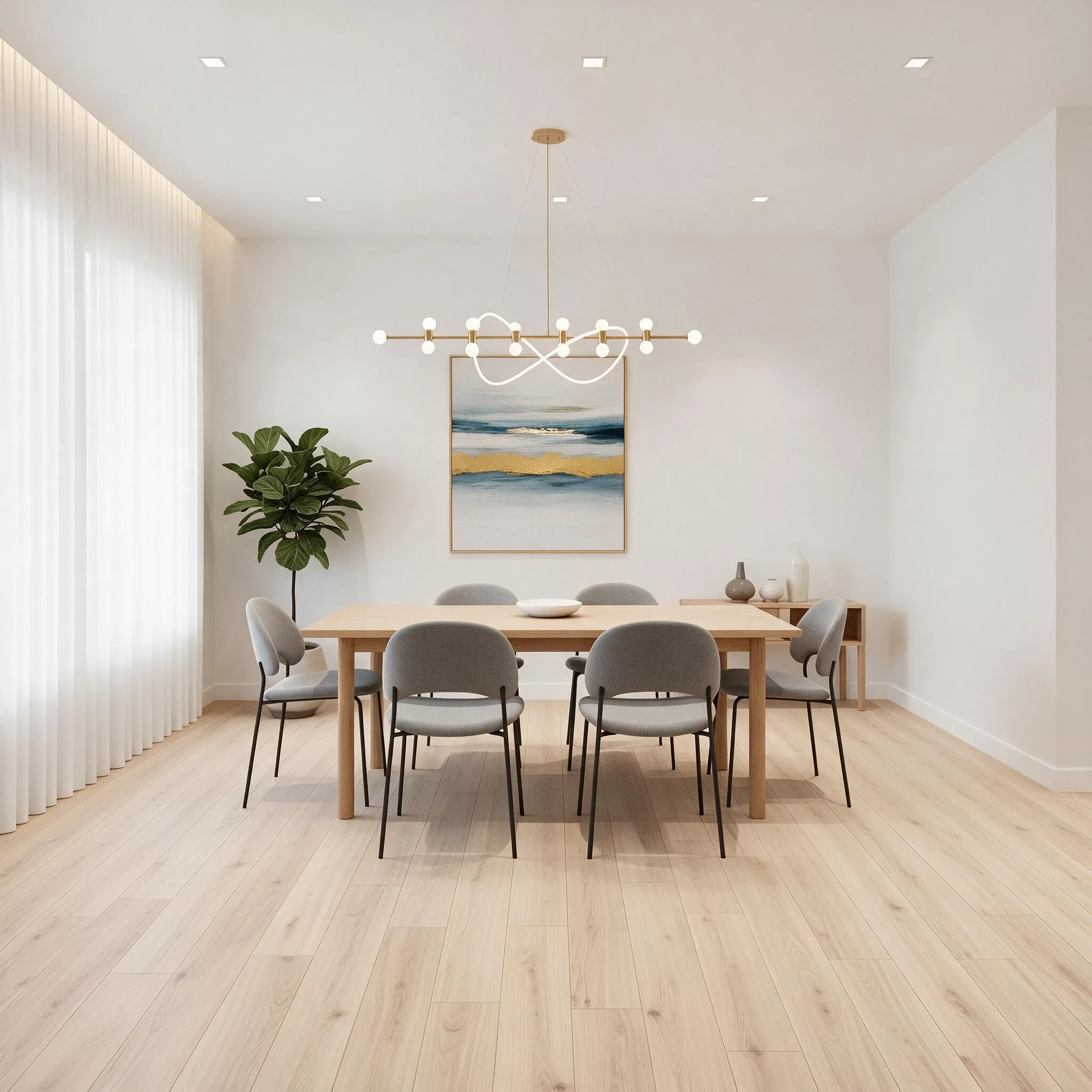
Create a Clean, Comfortable Living Area
When work begins, your main living room or bedroom becomes your primary sanctuary. Prioritizing living during home renovation means keeping at least one room completely untouched by construction activity.
You need one place in your house that feels like a home, not a job site.
SANCTUARY ROOM DUST DEFENSE [ SEALED VENTS ] ---> Cover HVAC returns to prevent recirculated drywall dust [ AIR FILTRATION ] ---> Run a HEPA air purifier 24/7 on medium setting [ DOOR PROTECTION ] ---> Install a bottom door draft stopper + heavy zipper barrier
Essential steps for maintaining your living room during renovation:
- De-clutter First: Move unnecessary clutter out to maximize open, calming floor space.
- Filter Continuous Air: Invest in commercial renovation dust control supplies, including HEPA-grade air purifiers.
- Set Strict Rules: Establish a strict "no work boots" rule inside the sanctuary zone.

Protect Your Furniture and Belongings From Dust and Damage
Fine drywall dust penetrates even the tightest closet doors. Learning how to protect furniture during renovation saves thousands of dollars in cleaning and restoration costs.
It takes 10 minutes to wrap a sofa, but hours to vacuum drywall grit out of upholstery fabrics. It helps to plan your furniture placement before moving items back in to prevent damage.
BELONGINGS PROTECTION MATRIX OFF-SITE STORAGE --> Best for high-value antiques, soft sofas & electronics ON-SITE COVERING --> Heavy plastic sheeting (3-6 mil) sealed with painters tape SURFACE DEFENSE --> Masonite boards & neoprene runners over finished flooring
For optimal furniture protection during renovation:
- Off-Site Storage: Rent a temporary, climate-controlled renovation storage unit or mobile storage container for non-essential items.
- On-Site Sealing: Wrap large furniture pieces in padded moving blankets, followed by heavy stretch-wrap.
- Floor Armor: Cover high-traffic hardwood or tile flooring with hard surface protection boards rather than thin plastic sheets that tear easily.
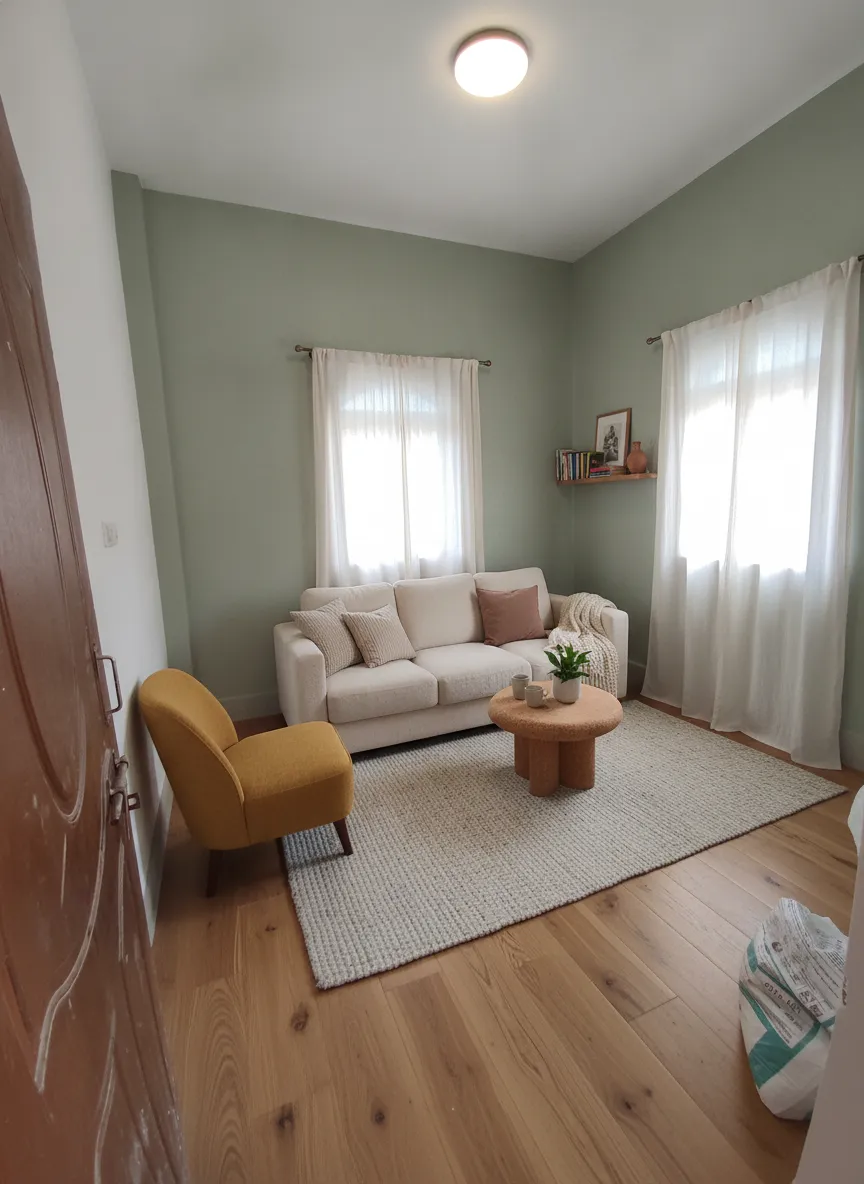
Separate Your Living Space From the Construction Area
Relying on standard interior doors to block construction mess never works. Achieving true renovation dust control requires airtight physical barriers between active job sites and clean areas.
You need a physical air seal combined with negative pressure management to stop fine grit from spreading.
CONTAINMENT SEAL CROSS-SECTION +--------------------------------------------------------+ | Construction Area | Heavy 6-Mil Poly Film | Sanctuary| | | with Commercial | Living | | (Lower Pressure) | Zipper Door System | Space | | [Air Scrubber] ==> | [Airtight Tape Seal] | | +--------------------------------------------------------+
To effectively contain renovation dust and eliminate construction dust in home environments:
- Install Zipper Doors: Mount heavy-duty plastic zip doors across open hallways and doorway frames.
- Isolate HVAC Channels: Seal off all central HVAC supply and return vents in the active work area to keep dust out of your ductwork.
- Deploy Sticky Mats: Place sticky floor mats at the barrier exit to strip debris from work boots automatically.
Keep Children and Pets Away From Active Work Areas
A home under construction contains exposed wiring, sharp debris, heavy tools, and open wall cavities. Maintaining safety during living at home during renovation requires clear physical safety zones for vulnerable family members.
Kids and pets naturally want to explore new spaces, making strict boundaries essential.
| Household Member | Main Risks | Protective Measures |
|---|---|---|
| Toddlers & Kids | Sharp nails, falling debris, open floor openings | Heavy physical baby gates, locked barrier doors, site safety rules |
| Pets (Dogs/Cats) | Escaping open doors, stepping on staples, noise stress | Dedicated quiet room, crates during crew hours, secure outdoor runs |
Key renovation safety protocols for kids during home renovation and pets during renovation:
- Brief Trade Crew: Instruct contractors on pet management so exterior doors aren't accidentally left open.
- Daily Sweeps: Sweep the active site with a magnetic floor sweeper every evening to catch stray nails and screws.
- Maintain Schedules: Keep predictable feeding and walking schedules to reduce anxiety caused by daily construction noise.
Plan Around Noise, Workers, and Daily Routines
Construction noise and early crew arrivals can disrupt sleep and work schedules. Successfully living through renovation means coordinating daily schedules directly with your project manager.
Unexpected noise destroys concentration, especially if you're working from home during renovation projects.
DAILY CROWD & NOISE MANAGEMENT [ MORNING ARRIVAL ] ---> Crew arrives (7:00 - 8:00 AM) | Complete quiet routine early [ PEAK NOISE ZONE ] ---> Heavy demo / framing (9:00 AM - 3:00 PM) | Take calls off-site [ EVENING WRAP-UP ] ---> Site cleanup (3:30 - 4:30 PM) | Inspect progress & review plans
Navigating renovation noise effectively:
- Establish Crew Work Hours: Set explicit work boundaries with your general contractor (e.g., no heavy hammering before 8:00 AM).
- Create a Dedicated Remote Hub: Position your work-from-home setup as far from active work areas as possible, supported by noise-canceling headphones.
- Define Site Rules: Set clear rules regarding bathroom usage, parking spots, and crew entry points.
Keep the House Clean While Work Is Still Happening
Dust management isn't a one-time job; it requires daily attention. Applying consistent cleaning during renovation prevents fine particles from settling into carpets and upholstery.
Cleaning every day might feel repetitive, but letting dust build up makes ultimate cleanup twice as hard.
Practical renovation cleaning tips for construction dust cleanup:
- Vacuum With a HEPA Filter: Standard vacuum filters blow fine drywall dust right back into the room air. Use a true HEPA shop vac instead.
- Damp Wipe Surfaces: Use microfiber cloths lightly dampened with water or floor cleaner to capture dust rather than pushing it around with a dry feather duster.
- Change Furnace Filters Frequently: Check central HVAC filters weekly during heavy demo phases and replace them whenever dust accumulates.
Know When You Should Leave the House Temporarily
While staying on-site saves money, certain phases pose health and safety risks. Knowing should you live at home during renovation requires recognizing when staying becomes unsafe or impractical.
Saving on rent isn't worth exposing your family to hazardous fumes or extended utility outages. You can refresh your house without a major renovation to avoid moving out if hazards are a concern.
EVACUATION DECISION MATRIX STAY AT HOME TEMPORARY MOVE-OUT REQUIRED - Single bath/kitchen updates - Whole-house floor refinishing (toxic fumes) - Isolated additions & structural builds - Main water or electrical shut-off > 48 hours - Cosmetic updates & interior trim work - Lead, asbestos, or hazardous mold abatement
Key indicators for when to move out during renovation:
- Utility Cutoffs: Complete loss of running water or electricity lasting more than 24–48 hours.
- Toxic Fumes: Chemical floor refinishing, major spray-foam insulation application, or heavy oil-based painting.
- Environmental Remediation: Structural lead paint removal or major asbestos containment work requiring negative pressure isolation.
Prioritizing health and renovation safety ensures your project moves forward without putting your family at risk.
Plan the Renovation in Stages to Keep Part of the Home Usable
If you're tackling a major project, don't gut the entire house at once. A well-structured phased home renovation allows you to move systematically from one completed zone to the next.
Phasing your project keeps vital living zones operational while work continues elsewhere. You can execute a phased house renovation to keep living areas usable.
PHASED REMODELING SEQUENCE [ PHASE 1: REAR ZONES ] ---> Complete primary suite & guest baths first +------------------------+ | | [ INTERIM MOVE ] ---> Move sleeping quarters into finished Phase 1 spaces | +---------------------+ | | v v [ PHASE 2: FRONT ZONES ] ---> Demo & rebuild kitchen, living & dining spaces
Advantages of choosing to renovate a house in stages:
- Operational Safety: Keeps at least one fully functioning bathroom and sleeping area available at all times.
- Financial Management: Spreads project expenses across manageable timeframes rather than draining reserves all at once.
- Iterative Refinement: Allows you to refine your workflow and layout preferences based on completed phases.
Before starting a multi-phase build, using a digital 3D renovation planner like DesignHome Synthesis™ helps you test phase transitions, verify spatial clearance, and preview completed layouts in 3D before construction starts.

Make a Renovation Plan You Can Actually Live With
A successful remodel requires balancing construction schedules with daily life needs. Taking time for thorough home renovation planning ensures your project finishes on budget without overwhelming your household.
Preparation turns a potentially chaotic project into a structured, manageable process.
Essential Pre-Renovation Checklist:
- Establish Living & Construction Zones: Install airtight poly zip barriers and floor runners.
- Set Up a Temporary Kitchen: Position microwave, induction plate, and mini-fridge outside the demo zone.
- Map Spatial Flow in DesignHome: Verify room transitions and temporary furniture layouts using our spatial intelligence system before moving heavy items.
- Agree on Trade Site Rules: Confirm contractor arrival times, entry doors, parking spots, and bathroom access.
- Secure Off-Site Storage: Pack away soft furnishings, high-value art, and non-essential clothes before work starts.

FAQs About Living at Home During a Renovation
Is it really safe to live in my house during a major home renovation?
Living on-site is safe for most standard interior updates, provided you maintain strict physical separation between active job sites and your residential living space. Safety risks usually arise from exposed wiring, open wall cavities, structural tear-downs, and airborne dust particles. As long as your primary utilities—like running water, electricity, and basic heating or cooling—remain operational and active work areas are sealed off with physical containment barriers, staying in your house poses minimal risk to your health and structural safety.
How can I effectively stop construction dust from entering my living areas?
Containing fine drywall and masonry dust requires creating airtight physical seals combined with active air purification. Standard interior doors are insufficient to block microscopic particles, so you must install heavy-duty 6-mil plastic zip barriers across open hallways and doorway frames connecting active work zones to clean areas. You should also cover central HVAC supply and return vents inside the construction space to prevent dust from recirculating through your ductwork, while running dedicated HEPA air purifiers continuously inside your living sanctuary to capture lingering airborne grit.
What is the most functional way to set up a temporary kitchen during a remodel?
Setting up a temporary kitchen requires choosing a location away from main construction dust pathways, such as a guest bedroom, basement, or dining alcove. Equipping this space with compact plug-in appliances like a dual-burner induction hot plate, an air fryer, an electric kettle, and a mini-fridge keeps meal preparation simple without relying on takeout. For dishwashing, set up a two-bin plastic washing station in a secondary bathroom or laundry sink, and keep a supply of eco-friendly disposable tableware to minimize cleanup friction.
How can I work from home during a renovation without constant disruption?
Navigating remote work during a remodel depends on establishing clear site rules with your general contractor early in the project. Agree on explicit daily work windows—such as restricting heavy demolition or high-decibel power tool usage before 8:30 AM—so you can schedule quiet calls accordingly. Position your temporary workspace as far from the active work zone as possible, utilize active noise-canceling headsets, and establish clear boundaries regarding contractor parking, entry doors, and designated restrooms to maintain professional focus.
How should I protect my furniture and soft belongings from damage?
Fine construction grit easily penetrates closet seams and standard fabric covers, making thorough protection essential before demolition begins. High-value antiques, soft upholstery, and delicate electronics are best moved into a climate-controlled off-site storage unit or mobile storage container for the duration of the build. For large furniture pieces staying on-site, wrap them tightly in padded moving blankets followed by heavy plastic stretch-wrap, and lay rigid masonite floor protection boards over finished hardwood or tile pathways to prevent structural scuffs and boot impacts.
How do I keep children and pets safe near an active construction zone?
Protecting children and pets requires physical access barriers alongside strict daily site maintenance routines. Install heavy physical baby gates or locked barrier doors around construction entrances so curious toddlers and pets cannot wander into areas with open floor joists or sharp tools. Instruct your trade crew to keep exterior doors latched to prevent pets from escaping, and run a magnetic floor sweeper across the job site every evening to clear stray nails, screws, and metal shavings from walkways.
When is it necessary to temporarily move out during a renovation?
You should plan a temporary move-out whenever construction activities create environmental hazards or shut off essential utilities for extended periods. Projects involving toxic chemical fumes—such as full-house hardwood floor refinishing, major spray-foam insulation, or heavy solvent painting—require vacating the home until air quality normalizes. Additionally, if main water lines or primary electrical panels are disconnected for more than 48 hours, or if structural lead paint and asbestos abatement require complete negative-pressure containment, staying elsewhere protects your family's health and comfort.
How do I establish a sanctuary room to preserve my peace of mind?
Creating a dedicated sanctuary room gives your household a clean, peaceful retreat from daily construction chaos. Choose a primary bedroom or secluded living room, remove non-essential clutter, and enforce a strict zero-construction-gear policy inside its boundaries. Seal all HVAC vents feeding into the space, install a bottom door draft stopper alongside your plastic barrier, and operate a HEPA air purifier around the clock so you always have a fresh, quiet environment to relax in at the end of the day.
What ground rules should I establish with contractors before work begins?
Setting clear expectations with your project manager prevents daily friction and keeps your living boundaries respected throughout the build. Establish firm morning arrival times, designate specific crew parking spaces, and assign an explicit entry door so workers do not walk through private living areas. Clearly state which bathroom facilities tradespeople may use, outline expectations for daily job-site cleanup at the end of every afternoon, and set up a single preferred channel for daily progress updates.
How does phasing a renovation room by room help me remain in the house?
Phasing a major remodel allows you to systematically move from completed zones to active zones while keeping essential living spaces operational during a major phased remodel. By prioritizing the primary suite and secondary bathrooms in Phase 1, you secure finished sleeping and washing quarters early in the project. Once those rear zones are fully operational, you can move your personal belongings into the new spaces and proceed with demolishing and rebuilding the kitchen, living room, and public areas in Phase 2 without surrendering your basic daily comforts.
What is the most effective daily cleaning routine during construction?
Managing construction dust requires daily targeted maintenance rather than waiting for heavy grit to accumulate across surfaces. Avoid using standard household vacuums, which lack fine filters and tend to exhaust microscopic drywall dust directly back into the room air; instead, use a heavy-duty shop vacuum fitted with a certified HEPA filter. Follow vacuuming by wiping hard surfaces down with damp microfiber cloths to trap residual dust, and inspect central HVAC furnace filters weekly to swap them out as soon as particle buildup appears.
How can I visualize phased layouts and spatial flow before starting work?
Previewing how your home will function across different construction phases prevents unexpected space constraints and awkward furniture placements before demolition begins. By mapping your floor plan in DesignHome Synthesis™, our spatial intelligence system allows you to simulate temporary room setups, test phase transitions, and verify structural clearances around containment barriers in clear 3D. You can then pair your spatial layouts with DesignHome Craft™ to preview finished material selections, ensuring every phase aligns perfectly with your overall architectural vision.


