

You step into your bathroom after an exhausting ten-hour day, reach to turn on the faucet, and immediately feel your shoulders tense up.
The lighting overhead is glaringly bright, plastic shampoo bottles are tumbling off a overcrowded shower ledge, and the cold, hard tile under your feet feels completely sterile. Instead of stepping into a sanctuary where you can decompress, your evening routine feels like just another chore on a long to-do list.
A bathroom shouldn't just be a functional utility room—it should be your home's ultimate wellness retreat.
Creating a relaxing bathroom isn't about spending fifty thousand dollars on custom Italian marble or tearing down load-bearing walls. It is about systematically removing visual chaos, layering warm atmospheric lighting, and introducing natural textures that quiet your mind the moment you cross the threshold. To plan fixture clearances before you redesign, review our measurement workflow for tight bathroom footprints.
Whether you are remodeling a primary bath or refreshing a compact powder room, here is how to design, zone, and style a soothing, spa-inspired sanctuary step by step.
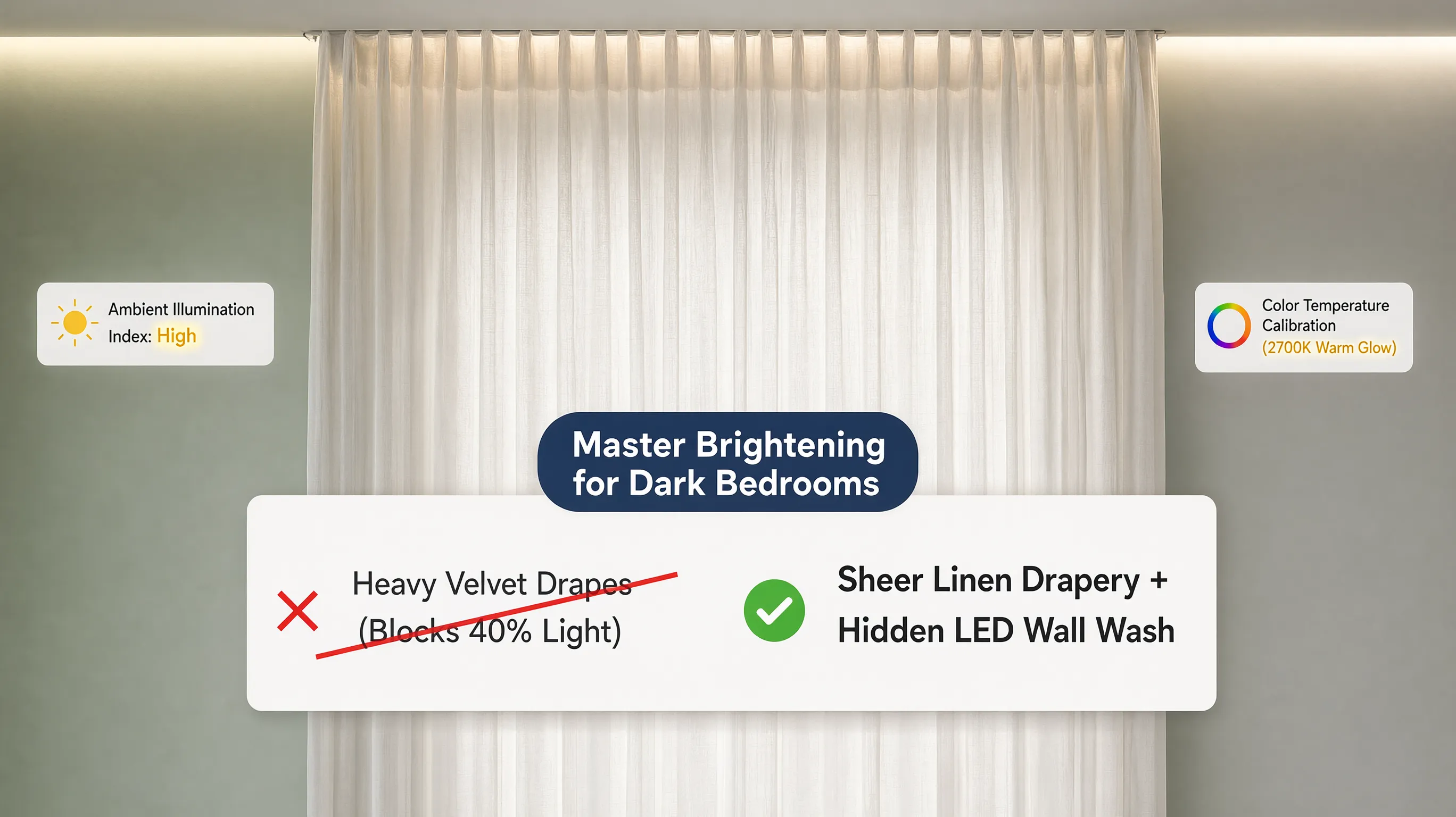
1. How to Create a Relaxing Bathroom That Feels Like a Daily Escape
Before browsing tile samples or ordering expensive plumbing fixtures, pause and rethink the core purpose of this space.
Most modern bathrooms fail to feel peaceful because they are designed purely for speed and efficiency—bright task lamps, cold high-gloss surfaces, and exposed daily clutter.
Plastic Clutter Grid
Cold White Tile
= Visual Fatigue
Hidden Storage
Organic Textures
= Instant Relaxation
To create a relaxing bathroom, anchor your plan around these foundational design goals:
- Soften the Visual Background: Swap harsh, high-contrast surface patterns for continuous, muted tones that allow the eyes to rest.
- Engage Multiple Senses: Move beyond pure visual aesthetics by incorporating soft-touch linens, calming natural scents, and soothing water acoustics.
- Isolate Daily Clutter: Hide high-frequency toiletries inside built-in wall niches or vanity drawers so visible surfaces remain completely calm.
2. Start With the Feeling You Want Your Bathroom to Create
The most common design mistake homeowners make when exploring peaceful bathroom ideas is copying unrelated social media photos without establishing a unified atmosphere.
A dark, moody charcoal retreat creates a completely different emotional response than a bright, sunlit Scandinavian sanctuary.
Developing a calming bathroom design starts with choosing your primary aesthetic anchor:
- Define your retreat style: Do you feel most relaxed in a warm, cocoon-like atmosphere with deep wood accents, or a crisp, light-filled room surrounded by greenery?
- Audit existing architectural limits: Does your room receive abundant natural daylight through a private window, or do you rely on artificial light fixtures?
- Establish material continuity: Select two dominant textures—such as honed limestone and natural oak—and repeat them consistently across the room.
If you are planning spatial dimensions alongside your aesthetic palette, review our step-by-step guide on decision framework for selecting the right floor plan.
3. Choose Bathroom Colors That Help You Unwind
Color holds direct influence over human mood and stress recovery. Bright, saturated primary colors and stark, high-contrast grids trigger mental alertness, whereas muted, earth-inspired palettes signal the brain to slow down.
Selecting relaxing bathroom colors requires building a harmonious scheme centered around gentle, desaturated tones. For shade recommendations that suit dim rooms, see our cozy shade families that quiet a tired mind.
   BASE NEUTRAL (60%):  Warm Alabaster, Creamy Greige, or Pale Oatmeal
   SECONDARY TONE (30%): Muted Sage Green, Soft Slate Blue, or Warm Taupe
   ACCENT DETAIL (10%):  Natural Wood Grain, Brushed Brass, or Matte Black
Color application rules for calming bathroom color schemes:
- Opt for Warm Neutral Bases: Choose warm off-whites, creamy greiges, or pale alabaster shades rather than stark, cold blues. Warm pigments reflect ambient light softly without feeling clinical under artificial lamps.
- Incorporate Nature-Inspired Hues: Muted sage green, dusty olive, and soft sky gray evoke natural outdoor environments, which naturally lower heart rates and ease mental fatigue.
- Match Grout to Tile Color: Avoid high-contrast grout (such as black grout on white subway tile), as contrasting grid lines create visual noise. Color-matched grout creates a smooth, unbroken surface plane.
For guidance on non-toxic paint formulations, low-VOC certifications, and sustainable material standards, consult the Sustainable Furnishings Council (SFC).
4. Use Lighting to Create a Softer Bathroom Atmosphere
Relying on a single ceiling light fixture leaves your shower and tub in gloomy shadows while casting harsh, unflattering glare over your vanity mirror.
Building effective relaxing bathroom lighting requires layering task, ambient, and accent fixtures on independent dimmer switches.
  [ Layer 1: Recessed Ambient Ceiling Cans ] ===> Fills general floor volume (3000K)
                       |
  [ Layer 2: Eye-Level Vanity Side Sconces ] ===> Floods mirror with shadow-free task light
                       |
  [ Layer 3: Warm LED Nook & Toe-Kick Glow ] ===> Low-level evening mood light (2200K–2700K)
Lighting design rules for ambient bathroom lighting:
- Install Independent Dimmer Switches: Put every single lighting circuit on a dimmer. Being able to drop light levels down to a soft, warm glow during an evening soak is essential for deep relaxation.
- Equip Fixtures with 2700K–3000K LEDs: Choose warm-white LED bulbs strictly rated between 2700K and 3000K (Kelvin) with a High Color Rendering Index (CRI 90+). Warm, high-CRI lighting makes skin tones look healthy while eliminating cold glare.
- Add Low-Level Accent Strips: Install waterproof, low-voltage LED strip lights inside shower niches or along vanity toe-kicks. The subtle, floating floor glow creates an instant luxury hotel ambiance at night.
For a deeper framework on layered fixture placement, read our per-zone dimmable lighting approach for compact rooms. For official technical specifications on residential lighting standards, water-resistance ratings, and glare prevention, consult the Illuminating Engineering Society (IES).
5. Make Your Shower or Bathtub the Most Comfortable Part of the Room
The bathing zone is the functional and visual heart of any wellness-focused retreat. If your shower delivers weak water pressure or your bathtub lacks proper back support, the room falls short of its primary purpose.
Upgrading your bathing fixtures unlocks transformative spa bathroom features.
Bathing upgrade tactics for relaxing shower ideas and relaxing bathtub design:
- Install a Dual Showerhead System: Pair a large, ceiling-mounted rain showerhead with an adjustable handheld spray wand. The rain head provides an immersive, gentle cascade, while the wand delivers targeted pressure for tight shoulders.
- Add a Thermostatic Mixing Valve: Install a thermostatic valve that maintains your exact preferred water temperature automatically, eliminating sudden bursts of cold or scalding water.
- Include a Wooden Tub Caddy: Place a sealed teak or bamboo bath tray across your tub to hold a book, tea cup, or candle securely while you soak.
If you are choosing between tub and shower configurations for your floor plan, explore our complete shared bath zoning rules for households with mixed bathing needs.
6. Bring Natural Materials Into the Bathroom for a Warmer Feel
Traditional bathrooms are filled with hard, cold surfaces—porcelain, glass, chrome, and tile. Introducing organic materials softens these hard edges, adding tactile warmth and visual depth.
Executing a natural bathroom design relies on introducing rich bathroom wood accents and tactile stone surfaces.
- Polished chrome hardware
- Plastic bath mats & accessories
- Brushed brass or antique bronze hardware
- Solid teak floating vanity & linen towels
Material integration tactics for organic bathroom ideas:
- Incorporate Moisture-Resistant Woods: Use solid teak, white oak, or cedar for floating vanities, open shelving, and bath benches. Teak naturally contains high oil content, making it exceptionally resistant to steam and water splatters.
- Select Honed or Matte Stone: Choose honed marble, travertine, or matte porcelain tiles over high-gloss surfaces. Matte stone diffuses overhead light softly without creating harsh reflections.
- Add Living Air Plants: Introduce humidity-loving indoor plants—such as Boston ferns, snake plants, or pothos—on open shelves or near windows to purify air and bring natural life into the space.
7. Choose Towels, Rugs, and Textures That Make the Bathroom Feel Comfortable
Sensory comfort relies heavily on soft, high-quality textiles. Step out of a hot bath onto a thin, worn rug or wrapping up in a scratchy towel immediately ruins a relaxing routine.
Selecting comfortable cozy bathroom ideas involves investing in plush, absorbent linens paired with intentional bathroom towel styling.
Textile styling rules for relaxing bathroom decor:
- Invest in High-GSM Turkish Cotton: Choose bath towels rated at 600 to 700 GSM (Grams per Square Meter) made from 100% long-staple Turkish or Aegean cotton. Turkish fibers grow softer and more absorbent with every wash.
- Roll Towels in Open Baskets: Store extra bath towels rolled neatly inside woven seagrass or wire baskets under your vanity to create a high-end spa display.
- Use a Long Runner Rug: Replace small, isolated bath mats with a single long, washable woven runner rug along your main vanity aisle to make cold floors feel warm underfoot. For defining soft zones with rugs, see our rug zoning tactics for soft zone definition.
8. Reduce Visual Clutter to Make the Bathroom Feel More Peaceful
Visual clutter triggers cortisol production and keeps your brain in a state of micro-alertness. Seeing half-empty shampoo bottles, toothpaste tubes, and stray cords strewn across your vanity counter prevents true mental relaxation.
Executing clutter-free bathroom ideas and building a minimalist relaxing bathroom requires point-of-use organization: keeping daily items accessible while concealing them from view.
[ Primary Counter Prep Surface ] ===( 100% Clear of Daily Toiletries )
                                                  |
[ Hidden Point-of-Use Storage  ] ===> Recessed Medicine Cabinets + Deep Vanity Drawers
Counter-clearing tactics:
- Protect the 100% Clear Counter Zone: Keep your primary vanity countertop entirely clear of loose toiletries. Allow only one or two intentional items—such as a small stoneware soap dispenser or a potted plant.
- Build a Recessed Wall Nook: Utilize the empty 3.5-inch wall cavity between drywall studs to build a custom recessed shower niche or tall medicine cabinet flush with the tile.
- Pour Shampoos into Refillable Bottles: Replace mismatched, bright plastic retail bottles with matching amber glass or matte ceramic pump dispensers inside your shower. To add hidden storage without structural demo, read our no-demo storage additions for tight bathroom walls.
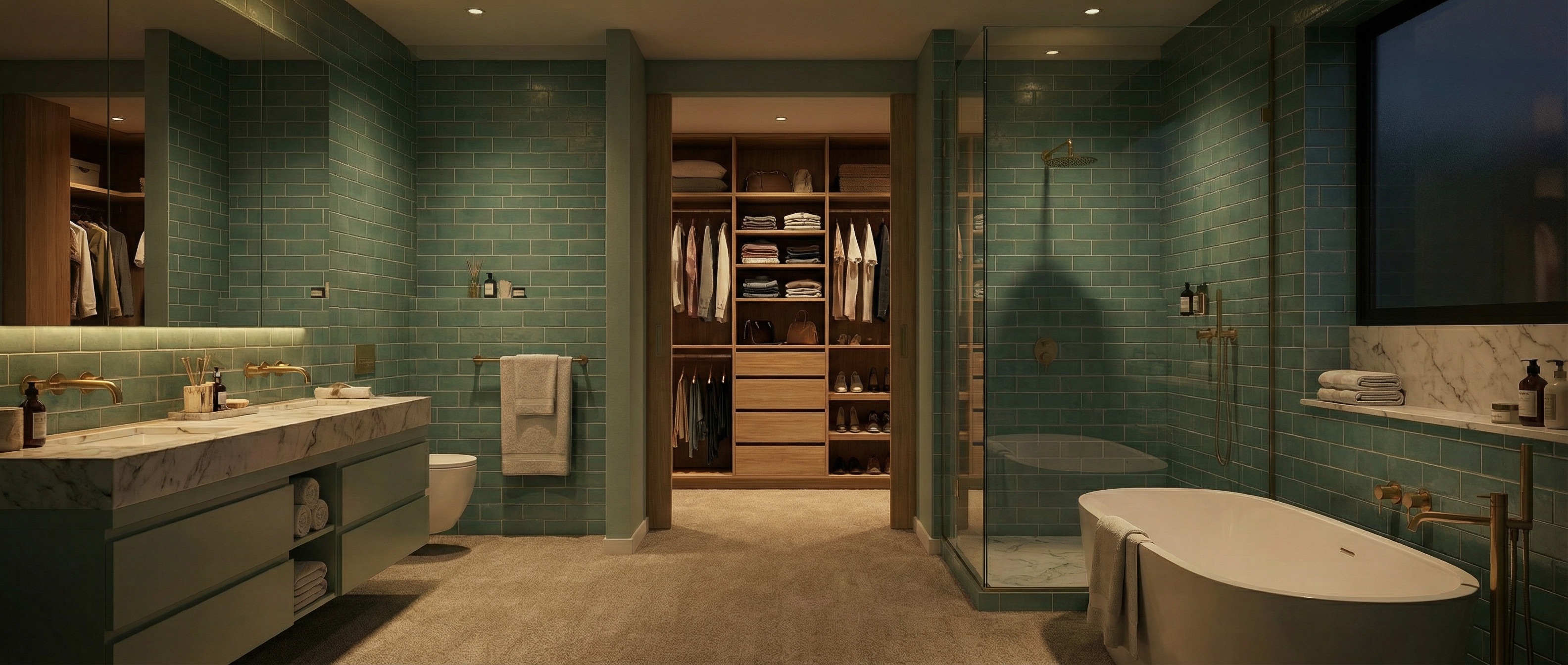
9. Use Mirrors and Layout Choices to Make the Room Feel More Open
A dark, enclosed room feels restrictive, whereas an open, light-filled environment encourages effortless relaxation.
Executing an open bathroom design and implementing relaxing small bathroom ideas relies on expanding visual depth and sightlines.
(Room feels sliced in half)
(Unbroken sightline to back wall)
Spatial expansion tactics:
- Install Wall-Hung Floating Vanities: Elevating your vanity cabinet 12 to 15 inches off the floorboards reveals continuous floor tile extending to the back wall, adding instant visual width.
- Use Frameless Clear Glass: Replace dark shower curtains or heavy framed enclosures with frameless clear glass panels to maintain unbroken sightlines across the entire room.
- Hang Large Wall-to-Wall Mirrors: Mount a large, frameless mirror extending from the top of your vanity backsplash to the ceiling line to catch daylight and reflect depth across shadowed corners. For mirror placement guidance, see our reflective surface tactics for doubling visual depth.
If you want to make a compact footprint feel twice its size, review our step-by-step guide on opening up sightlines in tight bathroom footprints.
10. Add Subtle Scents and Sounds That Make Bathing More Enjoyable
True relaxation engages all five senses. Introducing gentle aromatherapy and calming acoustic details transforms a basic bath routine into an immersive sensory ritual.
Exploring bathroom aromatherapy ideas helps curate a deeply peaceful relaxing bathroom atmosphere.
Sensory integration tactics:
- Hang a Fresh Eucalyptus Bundle: Tie a bundle of fresh eucalyptus branches with baker's twine and hang it behind your showerhead, just out of the direct water stream. The warm steam releases natural essential oils, creating a soothing herbal steam-room effect.
- Use Water-Safe Ultrasonic Diffusers: Place a sleek ceramic essential oil diffuser on a shelf or counter, using natural lavender, chamomile, or bergamot oils during evening baths.
- Incorporate Waterproof Bluetooth Speakers: Install a compact, moisture-resistant smart speaker on an open shelf to stream ambient instrumental music, nature sounds, or relaxing podcasts.
11. Keep Your Bathroom Fresh, Warm, and Comfortable Throughout the Year
Nothing ruins a relaxing bath faster than stepping out of warm water into a freezing room, or smelling lingering dampness caused by inadequate ventilation.
Building a comfortable bathroom design requires integrating smart bathroom ventilation ideas and climate controls.
  [ Safeguard 1: Radiant In-Floor Heating ] ===> Warms cold tile floorboards underfoot
                 |
  [ Safeguard 2: Heated Towel Rack        ] ===> Warms towels & dries linens fast to prevent mildew
                 |
  [ Safeguard 3: Humidity-Sensing Fan     ] ===> Removes steam automatically before condensation forms
Climate & maintenance controls:
- Install Electric Radiant In-Floor Heating: Install electric heating mats beneath your floor tiles connected to a programmable thermostat. Stepping onto warm floorboards during cold winter mornings delivers unmatched everyday luxury.
- Mount a Wall-Heated Towel Rail: Replace standard towel bars with a hardwired stainless steel heated towel rack. Heated racks ensure you step out of the shower into a warm towel while drying damp linens fast to prevent sour mildew odors.
- Install a Quiet Humidity-Sensing Exhaust Fan: Choose a ultra-quiet (under 1.0 Sone) exhaust fan rated for at least 80 to 110 CFM (Cubic Feet per Minute) fitted with an automatic sensor that turns the fan on when humidity rises.
For technical guidelines on electrical heating codes, waterproof membrane regulations, and ventilation standards, consult the International Code Council (ICC).
12. Bring Your Relaxing Bathroom Design Together With the Right Details
Ready to turn your everyday bathroom into a breathtaking, peaceful sanctuary where you can slow down and recharge?
Before buying tile swatches, ordering vanity cabinets, or hiring trade contractors, combine these sensory and spatial elements into a clear, actionable plan. To preview everything before committing, read our digital preview workflow for testing layouts before spending a dollar.
  [ Step 1: Establish Soothing Neutral Color Palette & Warm Wood Finishes ]
                                 |
  [ Step 2: Layer Dimmable Overhead, Vanity Sconces & Accent LED Strips ]
                                 |
  [ Step 3: Install Dual Rain Showerhead System & Heated Floor Mats ]
                                 |
  [ Step 4: Hide Daily Toiletries in Recessed Wall Nooks & Floating Drawers ]
                                 |
  [ Step 5: Execute Spa Remodel Plan with Total Confidence ]
The Ultimate Relaxing Bathroom Sign-Off Checklist:
- [ ] Incorporate Soft Neutrals: Choose warm off-white or pale greige paint paired with color-matched tile grout.
- [ ] Layer Dimmable Lighting: Install independent dimmer switches for overhead cans, vanity sconces, and accent LEDs.
- [ ] Upgrade Bathing Fixtures: Install a ceiling rain showerhead, thermostatic mixing valve, and handheld spray wand.
- [ ] Add Natural Wood & Stone: Use solid teak or oak floating vanities, matte stone tiles, and living indoor plants.
- [ ] Recess Wall Storage: Build recessed medicine cabinets and shower niches between wall studs to clear counter space.
- [ ] Integrate Climate & Sound Controls: Install radiant floor heating, a heated towel rack, a 80+ CFM fan, and an essential oil diffuser.
Step Into Your Ideal Bathroom Sanctuary Today
You deserve a home that supports your well-being and gives you a peaceful place to recharge every single day. Transforming your space into a soothing, spa-inspired sanctuary doesn't require confusing architectural jargon or endless guesswork.
By focusing on soft neutral tones, layered dimmable lighting, hidden storage, and warm natural textures, you can eliminate daily clutter and build an extraordinary sanctuary tailored to your exact lifestyle.
Map your vision, select your textures, and bring your complete relaxing bathroom retreat to life today!
External Resources & Industry Standards
To explore deeper technical insights into residential space planning, material safety, and lighting standards, consult these authoritative industry resources:
- National Kitchen & Bath Association (NKBA) – Official guidelines for bathroom planning standards, ergonomic clearances, and fixture placement rules.
- Illuminating Engineering Society (IES) – Residential lighting standards, IP water-resistance ratings, and vanity lighting metrics.
- International Code Council (ICC) – Residential building codes, waterproof membrane regulations, and electrical safety standards.
Frequently Asked Questions About Creating a Relaxing Bathroom
How can I turn a basic, ordinary bathroom into a peaceful daily retreat without a full overhaul?
True relaxation doesn't require knocking down load-bearing walls—it requires eliminating spatial tension and sensory noise. By softening harsh lighting with independent dimmers, swapping cold stark tiles for warm neutral tones, clearing visible counter clutter into hidden recessed storage, and introducing organic textures like solid teak or plush textiles, you transform a clinical utility room into an inviting spa sanctuary.
Will painting my bathroom a warm neutral or muted shade make it feel smaller?
Not when you unify your surface planes. Soft off-whites, creamy greiges, pale alabaster, and muted sage green actually expand visual boundaries by diffusing ambient light evenly without creating sterile glare. Pairing warm walls with color-matched tile grout eliminates harsh grid lines, allowing sightlines to flow uninterrupted across the entire room for a wide, tranquil feel.
What is the secret to getting gentle, relaxing lighting that doesn't feel clinical at night?
Layer your lighting on separate dimming circuits instead of relying on a single bright ceiling fixture. Combine warm 2700K–3000K high-CRI recessed spotlights with eye-level vanity sconces, and add low-voltage LED strip lights inside shower niches or beneath floating vanities. Dropping your light levels to a soft, golden floor glow during an evening soak signals your brain to lower stress and unwind instantly.
How do I choose between installing a soaking tub or a luxury walk-in rain shower?
Base your decision on your primary decompression ritual. If your physical recovery relies on immersive warm soaks, opt for a deep, ergonomically sloped soaking tub fitted with a wide ledge for candles and bath trays. If your schedule demands fast daily stress relief, invest in a spacious curbless walk-in shower equipped with a ceiling-mounted rain showerhead, thermostatic temperature controls, and a targeted handheld spray wand.
How can I introduce natural, spa-like warmth into a bathroom dominated by cold tile and glass?
Softened visual edges require organic materials. Incorporating moisture-resistant solid teak or white oak floating vanities, matte honed limestone floor tiles, brushed warm brass hardware, and plush long-staple Turkish cotton towels offsets cold porcelain instantly. Adding humidity-loving indoor plants like Boston ferns purifies the air while bringing natural life into your private retreat.
What is the best way to keep daily toiletries from ruining my peaceful, spa-like atmosphere?
Enforce point-of-use hidden storage to keep countertops completely calm. Visual clutter continuously triggers micro-stress responses. Recessing a mirrored medicine cabinet flush between drywall studs and utilizing deep full-extension vanity drawers keeps cosmetics and grooming tools completely out of sight, leaving your primary counter deck 100% clear for a single stoneware soap dispenser or potted plant.
How can I make my shower feel like a high-end luxury steam room every single evening?
Combine a ceiling-mounted rain showerhead with targeted aromatherapy and thermostatic control. Install a thermostatic mixing valve that locks your exact preferred water temperature automatically, eliminating sudden cold spikes. Hanging a bundle of fresh eucalyptus branches behind the showerhead lets warm steam release natural essential oils, filling your enclosure with a restorative herbal aroma.
How do I keep my bathroom warm and comfortable when stepping out of a hot shower in winter?
Eliminate post-bath temperature shock by combining radiant in-floor heating mats with a wall-mounted heated towel rack. Electric floor heating warms cold floorboards underfoot, while a hardwired heated rack ensures you step out into a cozy, warm towel every time. Heated racks also dry damp linens rapidly, preventing sour mildew odors from lingering in your sanctuary.
Are clear glass shower doors really necessary for creating a relaxing atmosphere?
Yes. Fabric shower curtains act as solid visual walls, slicing your room into two dark, cramped compartments and blocking light distribution. Installing a frameless clear glass screen preserves unbroken sightlines from the doorway straight to the back wall, flooding the bathing area with natural light and making your sanctuary feel twice as expansive.
How can sensory details like scent and sound enhance my daily bath routine?
True relaxation engages all five senses beyond visual design alone. Incorporating a water-safe ultrasonic essential oil diffuser with natural lavender or cedarwood oils slows breathing and lowers heart rates. Mounting a compact, moisture-resistant Bluetooth speaker lets you stream soothing instrumental soundscapes, masking background household noise for complete immersion.
How do I stop steam buildup, foggy mirrors, and dampness from ruining my relaxing space?
Upgrade to an ultra-quiet, high-capacity exhaust fan fitted with an automatic humidity sensor. Undersized or noisy fans force you to choose between loud background clatter and lingering steam that warps wood and breeds mold. A quiet sub-1.0 Sone fan rated for 80+ CFM extracts moisture automatically before mirror fog forms, preserving a fresh, crisp atmosphere effortlessly.
How do I bring all these peaceful elements together into one cohesive design plan?
Start with your emotional anchor and build outward. Select a warm neutral base paint, match your tile grout, layer dimmable task and accent lighting, and incorporate hidden point-of-use wall storage. By pairing high-performance water fittings with organic textures and clear walkways, you create a cohesive, low-maintenance sanctuary that turns every evening into a soothing daily escape.


