

Receiving three contractor estimates for the exact same room often produces three wildly different numbers. One contractor bids $15,000, another asks $28,000, and a third lands at $42,000. It is easy to feel confused or worry that you are about to make an expensive mistake. Learning how to compare home renovation quotes side by side protects your hard-earned money and guarantees your project finishes without surprise bills.

How to Compare Home Renovation Quotes Without Choosing the Wrong One
Comparing estimates is not as simple as looking at the bottom-line total. A low number might look attractive at first glance, but it often hides missing work, low-grade finishes, or unrealistic time estimates that cost you far more down the road.
QUOTE EVALUATION SPECTRUM [ UNQUALIFIED LOW BID ] -> Missing line items, cheap materials, high change-order risk +---------------------+ | v [ BALANCED VALUE BID ] -> Itemized scope, clear material specs, realistic timeline +---------------------+ | v [ OVERPRICED BID ] -> Excessive profit margins, unnecessary scope bloat
Here is the truth: a fair renovation quote comparison requires breaking down every single line item before signing a contract. Comparing the exact work covered by each estimate prevents costly surprises and keeps your remodeling budget fully intact.
Make Sure Every Contractor Is Pricing the Same Work
You cannot fairly compare contractor quotes if each trade builder interpreted your ideas differently. If one contractor assumes you are keeping your current plumbing layout while another prices moving the sink across the room, their final bids are comparing apples to oranges.
Look at it this way:
Contractor A assumes you are keeping existing walls and using basic stock fixtures.
Contractor B includes complete wall tear-downs, new sub-panel wiring, and custom tile pans.
To perform an accurate home renovation quote comparison, provide every builder with identical room measurements, layout sketches, and material lists. Standardizing your project requirements ensures every price quote reflects the exact same scope of work.
Compare the Scope of Work Line by Line
A vague estimate listing "Full Bathroom Remodel — $25,000" gives you zero financial protection. You need an itemized breakdown showing what you are actually paying for across demolition, framing, plumbing, electrical, drywall, and finishing phases.
ITEMIZED SCOPE CHECKLIST [ DEMOLITION ] -> Debris haul-away, dumpster fees, site protection [ ROUGH TRADES ] -> Licensed plumbing, electrical wiring, HVAC ducting [ PREPARATION ] -> Waterproofing membranes, subfloor leveling, insulation [ FINISH WORK ] -> Tile setting, cabinet mounting, fixture installation, paint
Insisting on line-by-line transparency makes it easy to spot missing trade steps early. When you compare renovation quotes down to individual tasks, you immediately see why one builder charges more for labor or surface prep than another. It helps to calculate accurate renovation cost estimates across all trades to ensure no steps are missed.
Check What Materials and Finishes Are Included
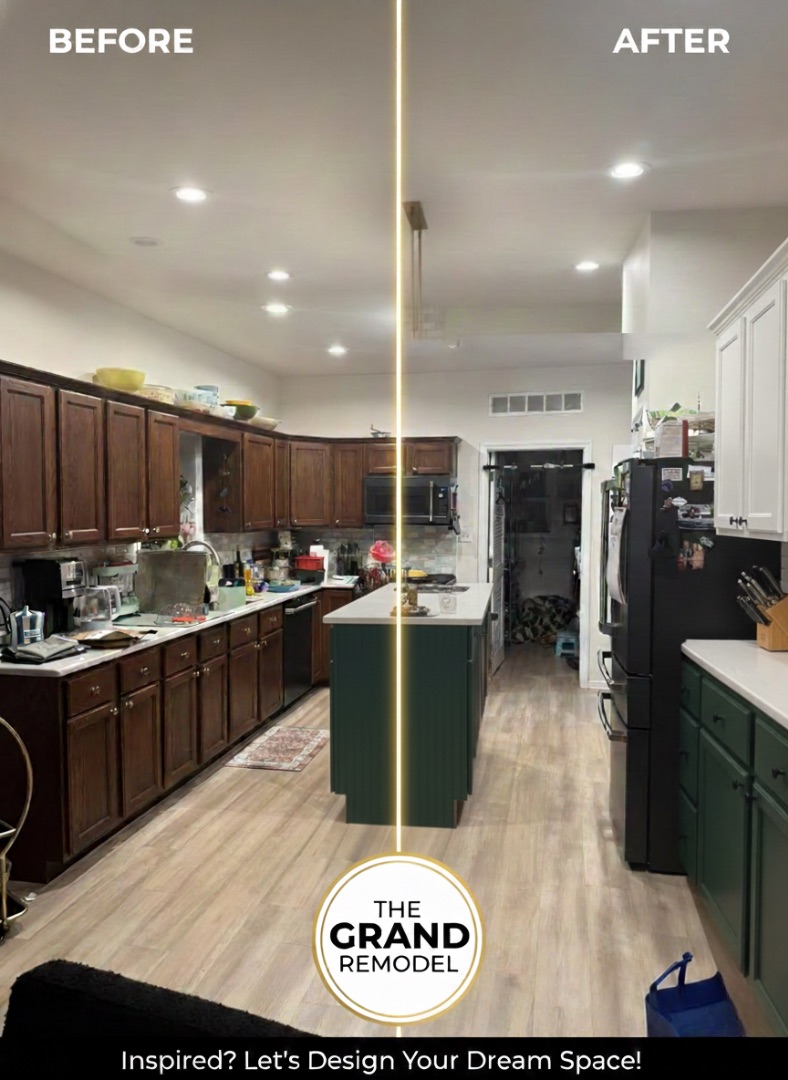
Material selections account for a massive portion of your total project spend. A contractor can easily make a bid look thousands of dollars cheaper simply by pricing low-grade laminates and builder-grade plastic valves instead of solid hardwood and brass fixtures.
When reviewing renovation quote materials, check for specific details:
- Brand Names & Model Numbers: Are specific plumbing fixtures and light sets named, or just generic categories?
- Material Grades: Does the bid specify real quartz countertops or cheaper laminate alternatives?
- Subfloor & Backer Board: Are they using industry-standard waterproof tile backer boards or cheap drywall in wet zones?
Verifying material specifications ensures you do not accept a cheap quote only to end up with sub-standard products in your home.
Look Closely at Allowances and Provisional Costs
An allowance is a financial placeholder for items not yet selected, such as tile, cabinets, or light fixtures. Unscrupulous builders sometimes place unrealistically low allowances into an estimate to make their overall bid look budget-friendly.
Here is why low renovation quote allowances create budget traps:
- A contractor sets a tile allowance of $2.00 per square foot in your quote.
- The actual tile you choose at the showroom costs $7.00 per square foot.
- You are forced to pay the $5.00 per square foot difference out of pocket as an added expense.
Always review provisional sums carefully. Ensure every material allowance matches real market prices for the quality level you intend to buy.

Find Out What Each Contractor Has Left Out
Identifying renovation quote exclusions is just as critical as checking what is included. Omitted line items do not mean the work is unnecessary; it simply means you will receive an extra bill for them later during construction.
Watch out for common missing costs:
- Building permit fees and local municipal inspection charges.
- Daily trash removal, dumpster rentals, and final site cleanup.
- Wall patching, primer coats, and finish paint application.
- Structural engineering calculations or architectural drawing fees.
Asking contractors directly what is excluded from their bid prevents hidden expenses from destroying your financial reserves halfway through the build.
Compare Labor, Project Management, and Subcontractors
Understanding renovation labor costs helps explain why established contractors charge more than casual solo workers. Dedicated project management, trade licenses, and insurance coverage add to baseline labor fees, but they also protect your home from dangerous installation errors.
LABOR & MANAGEMENT STRUCTURE [ SOLO HANDYMAN ] -> Low hourly rate, single worker, no trade specialization +----------------------+ | v [ GENERAL CONTRACTOR ] -> Full site supervision, licensed trade teams, project insurance
A higher labor cost often covers dedicated site supervisors who coordinate sub-trades, manage daily schedules, and ensure construction meets local building codes. Paying for proper oversight saves money by avoiding sloppy craftsmanship and structural rework.
Compare Timelines Alongside the Price
A cheap quote loses its appeal if the contractor takes six months to finish a three-week kitchen update. Evaluating proposed schedules alongside price quotes helps you understand how efficiently each builder operates.
Consider these schedule factors:
- Dedicated Crews: Will workers be on-site every day, or will they split time between multiple job sites?
- Start Dates: Can the builder begin work immediately, or are they backed up for several months?
- Project Duration: Is the estimated completion timeline realistic for the required trade steps?
Selecting a builder who provides a clear, day-by-day work plan reduces living disruption and keeps your household running smoothly.
Check Payment Terms and Potential Extra Charges
Reviewing renovation payment terms protects your cash flow throughout construction. Never hire a contractor who demands a large upfront cash deposit before materials arrive or work begins on-site.
Standard contractor payment schedules follow clear milestones:
- Initial Deposit: 10% to 15% upon signing the agreement to reserve schedule dates.
- Material Draw: Payment issued when custom cabinets or specialized fixtures are ordered.
- Progress Payments: Payments released only after specific milestones pass municipal inspections.
- Final Retainage: Final 10% held back until every item on your walkthrough checklist is completed.
Clear payment milestones maintain your financial leverage and ensure work meets quality standards before money changes hands.
Don't Automatically Choose the Cheapest Renovation Quote
It is tempting to pick the lowest estimate, but a suspiciously cheapest renovation quote is often the most expensive choice in the long run. Unusually low bids usually indicate a builder who missed crucial steps, underfunded trade labor, or plans to issue expensive change orders later.
Common risks of low-ball contractor quotes:
- Sub-Standard Workmanship: Cutting corners on waterproofing, wall preparation, or trade assembly.
- Unlicensed Labor: Using un-vetted sub-trades who lack liability insurance or trade licenses.
- Abandonment Risk: Running out of money midway through the build and leaving your home unfinished.
Investing in a balanced, realistic bid guarantees quality craftsmanship, legal compliance, and long-term peace of mind.
Put Every Quote Into One Comparison Table
Normalizing contractor bids into a single comparison layout makes differences instantly visible. Putting estimates side by side eliminates confusion and lets you evaluate real value rather than raw numbers.
| Quote Evaluation Factor | Contractor A (Low Bid) | Contractor B (Balanced Bid) | Contractor C (High Bid) |
|---|---|---|---|
| Total Base Price | $18,500 | $26,000 | $38,000 |
| Itemized Scope | Vague, single total | Detailed line-by-line breakdown | Detailed line-by-line breakdown |
| Material Quality | Builder-grade / Unspecified | Named brands / Mid-to-high grade | Custom luxury finishes |
| Tile/Cabinet Allowances | $2.00 / sq ft (Unrealistic) | $8.00 / sq ft (Realistic) | $18.00 / sq ft (Premium) |
| Permits & Trash Removal | Excluded (Extra cost) | Fully included | Fully included |
| Estimated Timeline | 2 Weeks (Unrealistic) | 4 Weeks (Realistic) | 5 Weeks |
Older software tools and manual spreadsheets take hours to build, render slowly, and still fail to give you a clear spatial visual of what you are paying for. DesignHome Synthesis™ updates this workflow entirely.
DESIGNHOME SYNTHESIS™ QUOTE COMPARISON +-----------------------------------------------------------+ | STEP 1: Upload Room Photo or Layout File | | (Instantly calculate exact room dimensions) | +-----------------------------------------------------------+ | v +-----------------------------------------------------------+ | STEP 2: Layout Intelligence System Models Materials & Scope | | - Verify exact tile square footage & cabinet runs | | - Test design layouts in photo-realistic 3D | +-----------------------------------------------------------+ | v +-----------------------------------------------------------+ | STEP 3: Compare Bids Against Verified Visual Plans | | - Match contractor line items directly to 3D layouts| | - Spot missing materials & unneeded costs instantly | +-----------------------------------------------------------+
Using our layout intelligence system, you can upload a photo of your room to generate precise material counts, explore structural options, and visualize finished layouts in full 3D. Over 20 specialized visual planning tools let you compare contractor proposals directly against verified spatial plans, giving you complete confidence before signing any contract.

Choose the Quote With the Best Overall Value
Selecting the best renovation quote comes down to finding the right balance of clear scope, quality materials, fair pricing, and proven contractor reliability.
Before making your final choice, run through this final checklist:
- Verify Scope Alignment: Confirm that demolition, trade rough-ins, drywall, and finishing are fully itemized.
- Audit Material Allowances: Ensure allowance numbers match actual showroom prices for your chosen products.
- Confirm Licensing & Insurance: Request proof of current general liability insurance and trade licenses.
- Model Layouts in DesignHome Synthesis™: Match contractor bids directly to 3D room models to verify material quantities and prevent scope omissions.
Taking time to evaluate contractor proposals systematically ensures your home remodeling project delivers exceptional quality, finishes on schedule, and stays strictly under budget.
Frequently Asked Questions About Comparing Home Renovation Quotes
How do I start comparing home renovation quotes fairly?
You start by standardizing your project requirements so every trade builder is pricing the exact same work. When you hand three different contractors three slightly different ideas, you end up with three numbers that cannot be compared. Providing each contractor with identical room measurements, fixed floor plans, and material requirements forces everyone to bid on a level playing field. Look: breaking down every line item before signing a contract is the only way to spot missing tasks, hidden fees, and unrealistic assumptions before work starts.
Why do contractor quotes for the exact same renovation vary so wildly?
Quotes vary drastically because contractors make different assumptions about scope, material quality, labor crews, and site preparation. One contractor might quote a low price by assuming you will reuse old plumbing lines and install basic builder-grade fixtures. Another builder might price new sub-panels, dedicated trade crews, custom tile backer boards, and complete trash haul-away. The reality? A high quote often reflects full site management and licensed trade labor, while a surprisingly low estimate usually hides missing tasks that become expensive change orders later.
What line items must be included in a complete contractor quote?
A complete quote must break down work line by line across demolition, framing, plumbing, electrical, drywall, tile, millwork, and cleanup. Vague quotes that list a single total amount leave you completely unprotected against surprise fees. Demand itemized costs for dumpster rentals, municipal permit sign-offs, wall preparation, primer applications, and final mechanical trim-outs. Here is the truth: insisting on line-by-line transparency makes it easy to hold your contractor accountable to a fixed price.
How do I verify if contractors are pricing the same quality of materials?
You verify material quality by auditing the exact brand names, product grades, and model numbers written into each bid. A cheap quote often relies on thin laminate counters, plastic shower valves, and stock hollow-core doors, whereas a higher quote incorporates solid quartz slabs, brass pressure-balanced valves, and solid wood cabinetry. Check the thickness of subfloor materials and the specific waterproofing membranes included for tiled areas. Think about it: catching cheap material substitutions on paper saves you from living with substandard finishes in your home.
What are material allowances, and how can low allowances ruin my budget?
Material allowances are financial placeholders used when specific products, like tile or light fixtures, have not yet been selected. Unscrupulous builders frequently put unrealistically low allowances into an estimate to make their overall bid look budget-friendly. For instance, if a quote sets a tile allowance of two dollars per square foot, but the actual tile you select costs eight dollars, you must pay the six-dollar difference directly out of pocket. Reviewing provisional sums carefully ensures your allowances reflect realistic retail prices for the quality level you want.
What common exclusions should I look for in a low-ball renovation quote?
Low-ball quotes often exclude essential project steps like municipal building permits, daily debris removal, wall priming, and structural engineering sign-offs. Leaving out these critical tasks lets a contractor present an artificially low price to win your contract. However, those missing line items do not disappear—they simply re-emerge as mandatory change orders halfway through construction. Asking every contractor to explicitly list what is excluded from their bid prevents hidden expenses from destroying your financial reserves.
How do I compare labor costs and subcontractor fees between contractors?
Compare labor costs by looking at site supervision, trade licensing, and overall crew structure rather than raw hourly rates. Established general contractors charge higher labor fees because they employ licensed trade specialists, carry general liability insurance, and provide dedicated project managers who keep work on schedule. Solo workers might offer cheaper hourly labor, but they often lack trade specialization and take twice as long to complete complex builds. Investing in structured labor guarantees higher craft quality and code compliance.
Should I automatically eliminate the lowest contractor quote?
You should strictly investigate the lowest quote before considering it, as an unusually low bid is usually the most expensive choice in the long run. Unusually low numbers indicate a contractor who missed essential trade steps, underfunded sub-trades, or plans to claw back profits through aggressive change orders during construction. Worse yet, underfunded builders face higher risks of abandoning jobs midway through execution due to running out of cash. Evaluating total value rather than chasing the lowest price protects your property and peace of mind.
How do payment terms and deposit schedules differ across renovation quotes?
Trustworthy quotes outline a milestone-based payment schedule tied directly to verified construction progress and municipal inspection sign-offs. Never hire a builder who demands a massive upfront cash deposit before materials arrive on-site or work begins. Standard deposit schedules require ten to fifteen percent upon contract signing, followed by progress payments released only when framing, plumbing rough-ins, or tile work pass inspection. Holding back a final ten percent retainage until your walkthrough checklist is completed maintains your financial leverage.
How do project timelines impact the overall value of a renovation quote?
Project timelines affect overall value because an extended build increases living disruption, temporary housing expenses, and personal fatigue. A contractor charging a slightly higher price with a dedicated crew that completes your kitchen in three weeks offers far greater real-world value than a low-cost solo builder who stretches the same project across four frustrating months. Comparing day-by-day work schedules alongside total cost estimates helps you choose a builder who respects your time and household sanity.
How can I organize multiple contractor quotes into a clear comparison format?
You can organize contractor estimates by building a comparison layout that aligns line-item costs, material allowances, payment schedules, and excluded tasks side by side. Normalizing quotes into standardized categories eliminates marketing clutter and exposes hidden pricing gaps instantly. Instead of spending hours building complex manual spreadsheets or wrestling with slow rendering software, modern visual tools allow you to digitize your floor plans and compare contractor bids directly against verified material quantities.
How does DesignHome make comparing renovation quotes faster and more accurate?
DesignHome Synthesis™ updates quote comparison by matching contractor proposals directly against verified 3D models of your room. Manual calculations and static spreadsheets leave room for missed measurements, resulting in inaccurate quotes and surprise costs during construction. By uploading a room photo or floor plan into DesignHome Synthesis™, you unlock over 20 specialized visual planning tools powered by our layout intelligence system. You can verify tile square footages, test cabinet runs, and evaluate contractor line items against photorealistic 3D layouts, giving you complete confidence before signing any contract.


