

Ripping out every historic detail in an old home to make it look like a sterile new-build is a costly mistake. You end up stripping away the very soul, craftsmanship, and charm that made you fall in love with the property in the first place. Knowing how to modernize an old house without losing character comes down to strategic trade-offs: upgrading essential mechanics and daily comforts while preserving the unique structural details you cannot buy off a store shelf today.
How to Modernize an Old House Without Losing Its Character
Hearing that voice in your head is a sign you are approaching your remodel with the right mindset. Stripping an old property bare wipes out its history and destroys its market resale identity.
When you modernize an old house, your goal is not to hide its age—it is to make its craftsmanship shine alongside modern conveniences. Choosing to update house without renovation through deliberate home renovation planning gives you a one-of-a-kind home that feels fresh, warm, and deeply authentic.

Identify the Features That Give Your House Its Character
Before pulling down plaster or throwing away old doors, walk through every room with a notebook. Look closely at the elements that give your property its distinct personality.
Check out these classic details worth saving:
- Solid Hardwood Floors: Oak, pine, or maple planking that can be sanded down and refinished.
- Hand-Carved Millwork: Thick baseboards, crown molding, picture rails, and door casings.
- Original Solid Interior Doors: Heavy panel doors with original brass or glass hardware.
- Architectural Built-ins: Glass-front cabinets, window seats, and stone or brick fireplace surrounds.
These original craftsmanship details are nearly impossible to replicate today without spending a fortune. Identifying your home's standout features early and exploring creative home refresh ideas prevents accidental demolition of its most valuable assets.
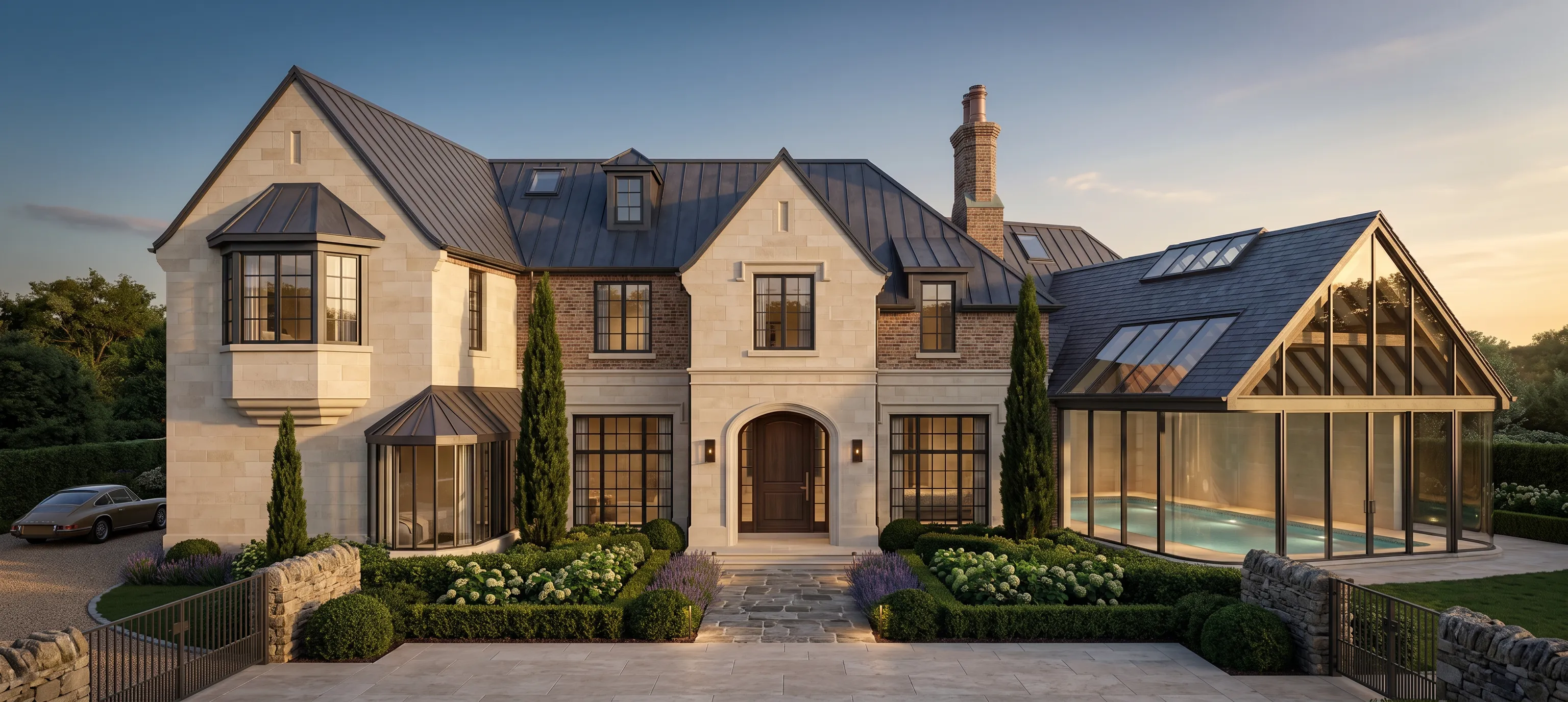
Decide What to Preserve and What to Update
Not every old item is a treasure. Wavy plaster walls, hazardous knob-and-tube wiring, leaky single-pane glass, and rotted subfloors do not add charm—they add safety hazards and energy waste.
| Keep & Restore | Repair or Refinish | Replace Entirely |
|---|---|---|
| Solid wood doors & trim | Original hardwood floors | Hazardous electrical panels |
| Brick/stone fireplace surrounds | Cast iron clawfoot tubs | Corroded galvanized plumbing |
| Built-in dining hutch boxes | Vintage glass window panes | Rotted structural subfloors |
Executing a successful old house renovation requires separating true architectural character from worn-out utility systems. Deciding to renovate a house in phases and upgrading what is broken allows you to safely preserve old house character while helping you avoid home renovation regret where it matters most.
Blend Modern and Original Features Instead of Replacing Everything
Absolute consistency is boring. The secret to a stunning modern old house is intentional contrast—placing sleek, contemporary elements directly alongside rich, aged textures.
When modernizing an old house, contrast creates visual excitement. Combining a smooth quartz countertop with rustic brick walls creates a home makeover without renovation feel that looks curated over decades rather than bought in a single afternoon.
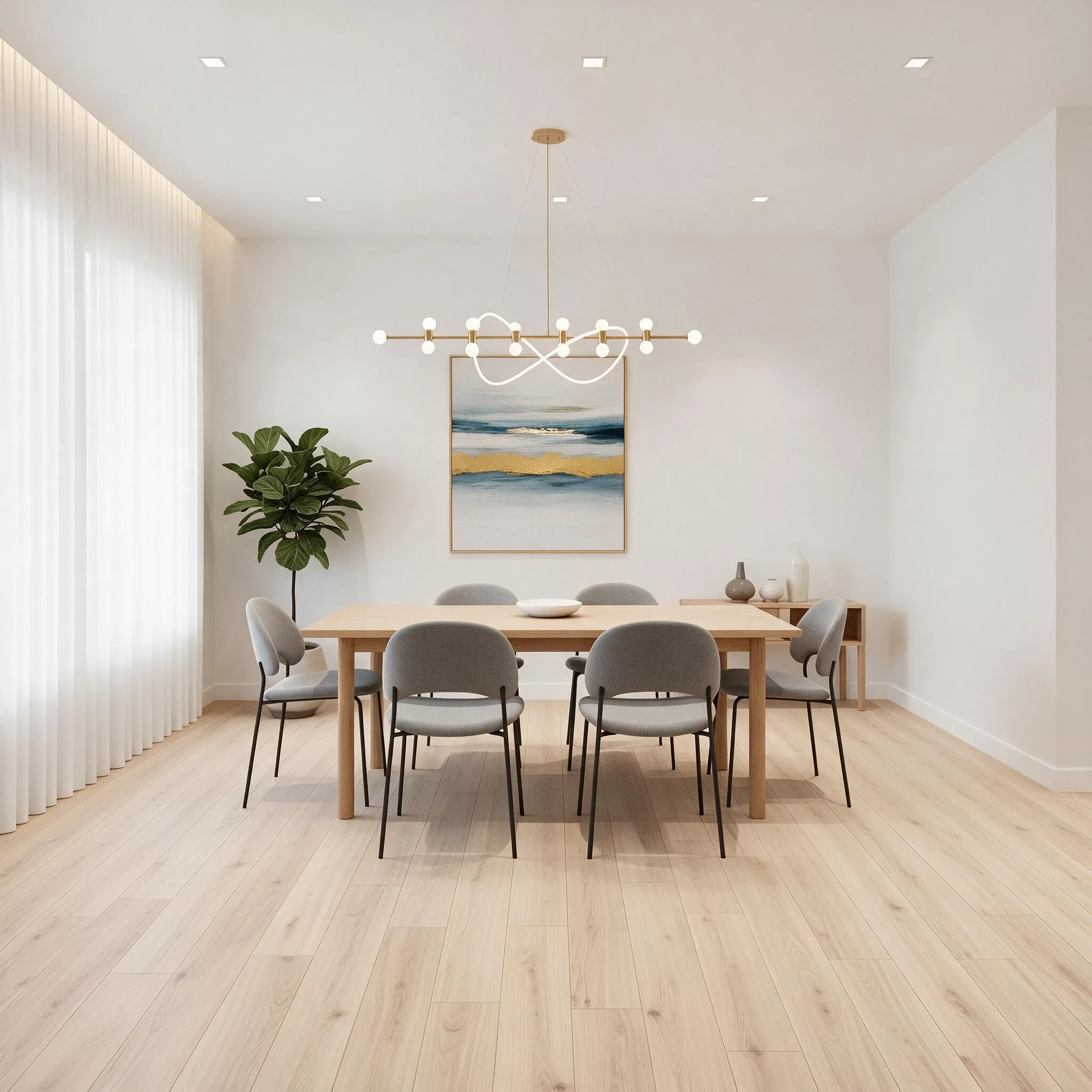
Refresh the Walls Without Erasing Their Personality
Dark, stained wood paneling, peeling floral wallpaper, and dingy plaster can make an old home interior feel claustrophobic. However, tearing down original walls down to the studs is expensive and messy.
Smart ways to update your walls:
- Paint Dark Trim Neutral: Apply a crisp off-white or deep charcoal paint to tired wood trim to give it a sharp, modern outline.
- Highlight Picture Rails: Paint walls a modern matte color while leaving decorative picture rails and crown molding in a contrasting finish.
- Smooth Out Plaster: Skim-coat cracked plaster surfaces rather than replacing them with flat drywall to retain soft, historic wall contours.
Testing fresh home paint ideas on your surfaces to refresh house walls gives you a clean modern interior while preserving every inch of original wall depth.
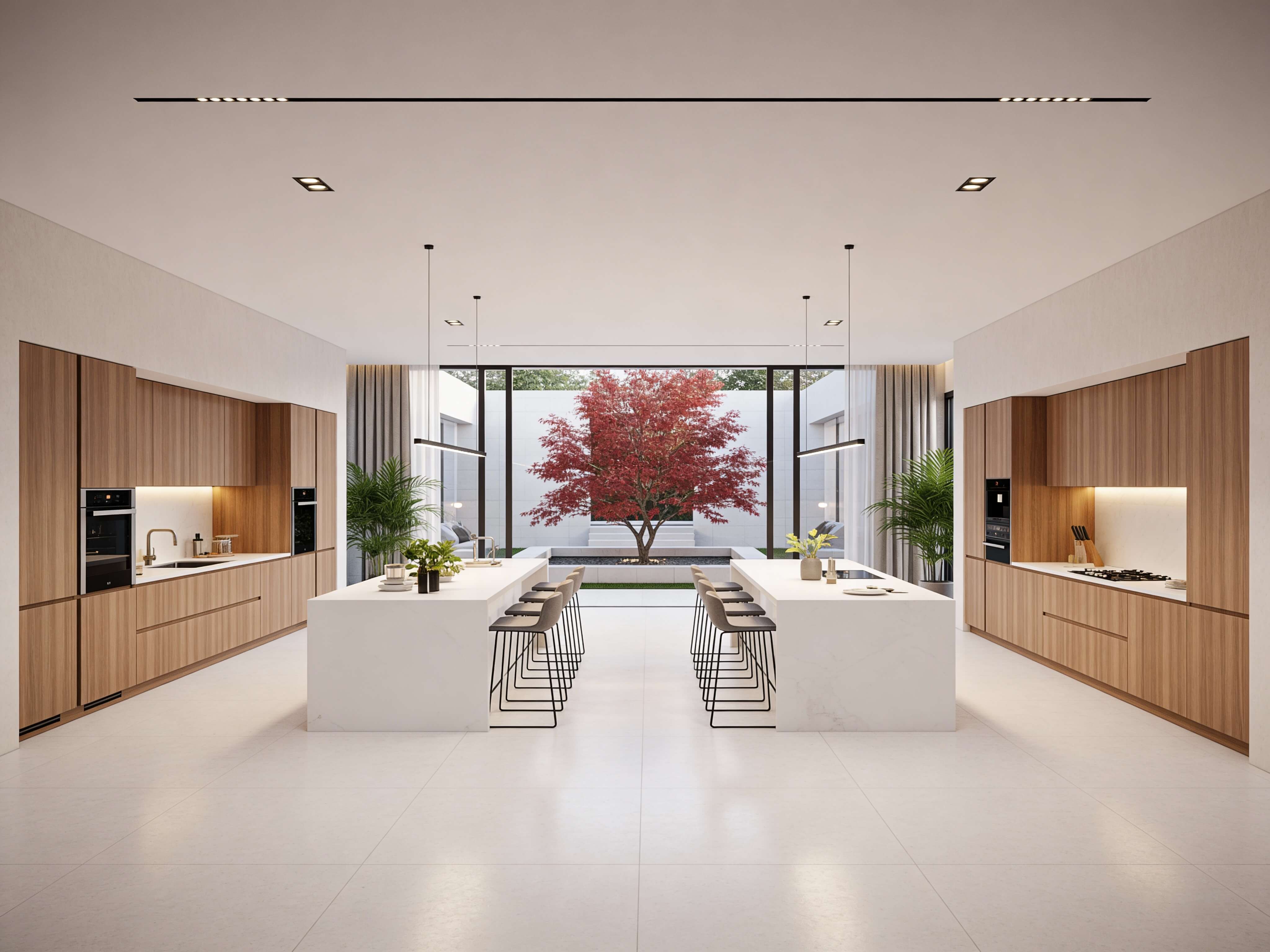
Update the Kitchen While Keeping Its Original Feel
A sterile, high-gloss white kitchen looks jarring inside a 100-year-old home. An old kitchen renovation must deliver high-performance appliances and smooth storage without feeling like an alien insertion.
Choosing time-tested door styles and natural stone surfaces lets you modernize an old kitchen so it functions like a dream. Implementing a kitchen layout for better workflow alongside smart kitchen refresh ideas honors the home's historic era while meeting modern needs.
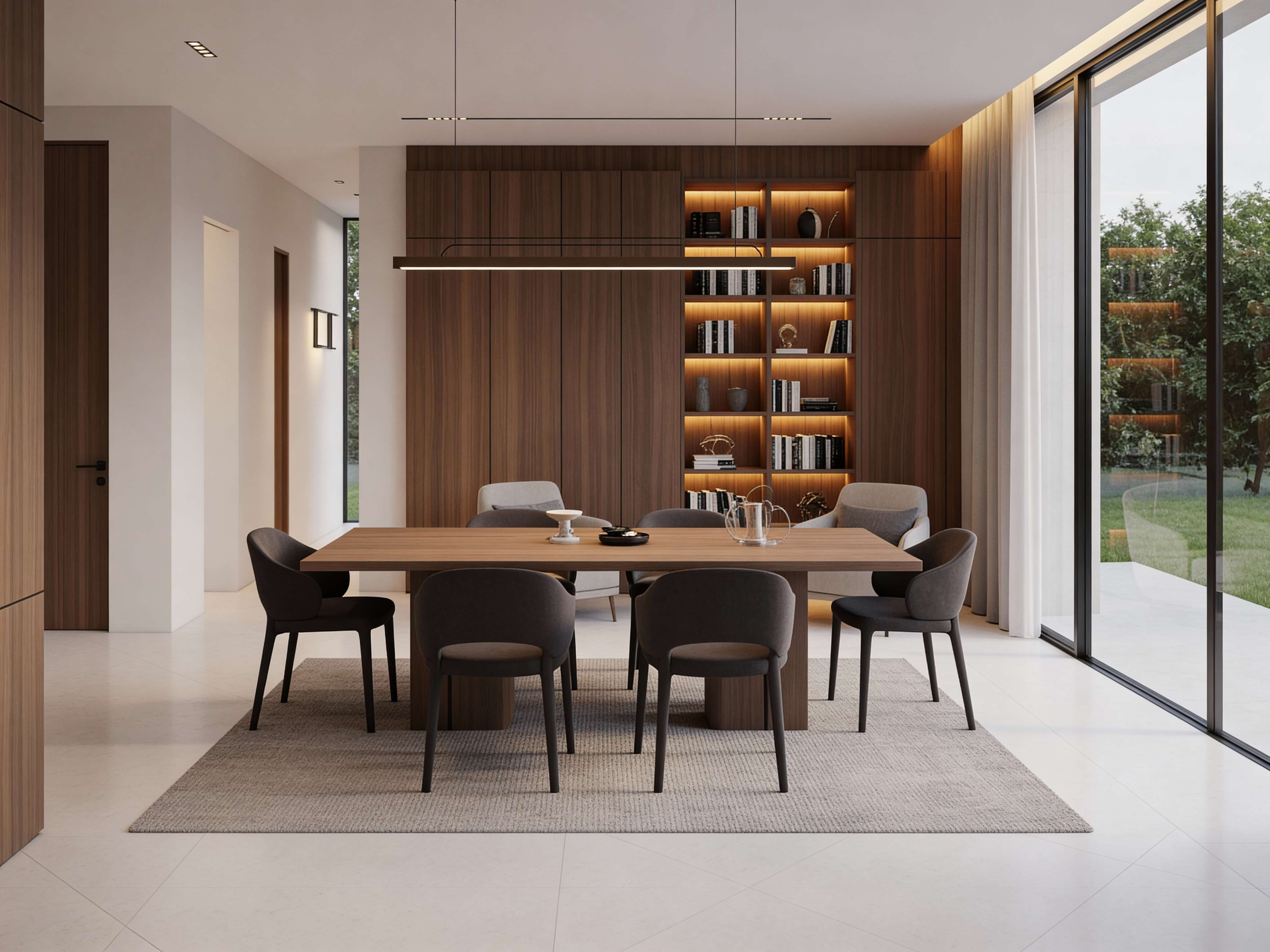
Make Old Windows, Doors, Floors, and Trim Work With a Modern Look
Automatic replacement is the enemy of authentic character. Tearing out original wood windows or solid interior doors strips away true craftsmanship that modern vinyl replacements simply cannot match.
Try these clever integration ideas:
- Original Wood Floors: Sand down yellowed oak planks and apply a matte walnut or natural clear coat to eliminate orange tones.
- Old House Windows: Restore original wooden sashes and install discreet interior storm windows to boost energy efficiency without changing exterior glass lines.
- Original Doors: Strip away layers of old paint, polish original brass hinges, and pair the door with a sleek, modern handle set.
Repurposing original elements allows you to fix an awkward room layout with real historical depth while keeping quality materials out of the landfill.
Use Modern Lighting and Furniture to Change the Feel
Furniture and light fixtures are non-permanent changes. They offer the single fastest, non-destructive way to shift an old home interior into a contemporary space.
- Layer Light Heights: Combine recessed ceiling lights with low-hanging modern pendants to illuminate dark wood corners.
- Mix Furniture Eras: Pair a sleek, low-profile mid-century sofa with an ornate carved fireplace surround.
- Use Oversized Art: Hang large-scale abstract canvas prints against traditional plaster walls to break up busy historic trim.
Upgrading your home lighting ideas and swapping out outdated chandeliers for clean, modern fixtures transforms dark rooms into bright, welcoming spaces instantly.
Update the Exterior Without Making the House Look Generic
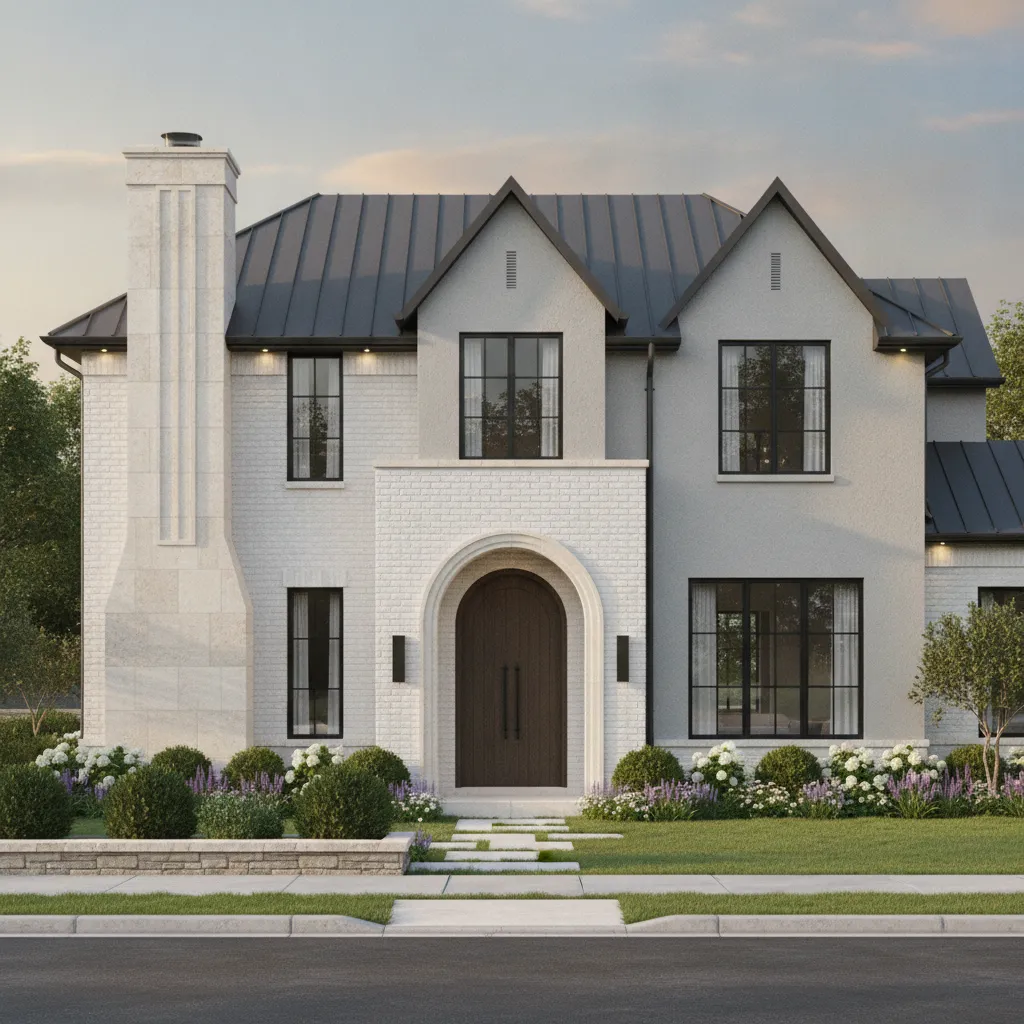
An old house exterior makeover should clean up weathering and highlight structural lines without flattening unique details under cheap vinyl siding.
Executing a thoughtful exterior home makeover with fresh exterior paint colors and modern house numbers gives you stunning curb appeal that turns heads while respecting neighborhood history.
Compare Modern Looks Before Making Permanent Changes
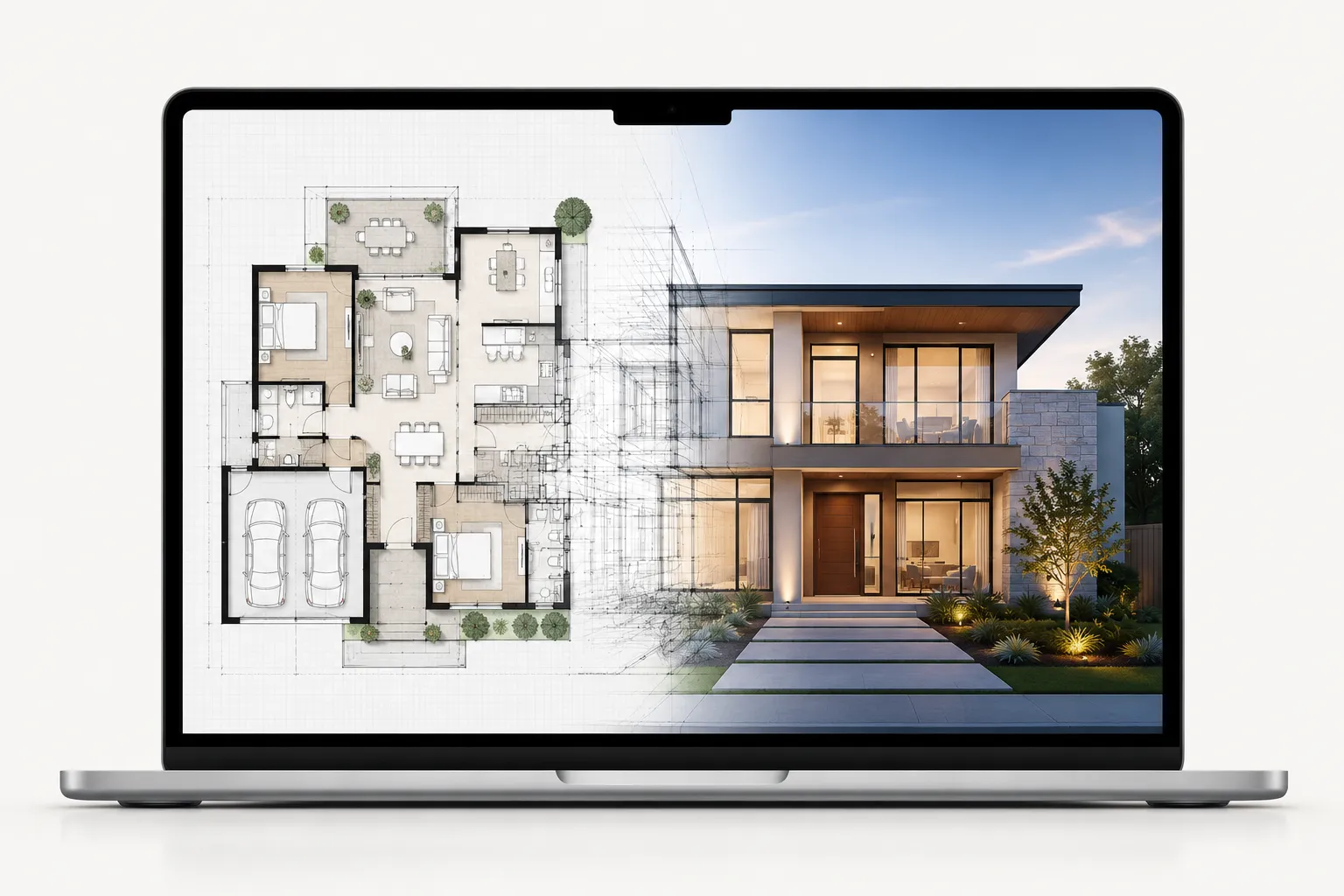
Committing to paint colors, opening up partition walls, or altering original millwork based on static paper sketches is a massive gamble. Once historic features are demolished, you cannot get them back.
Using DesignHome Synthesis™, you can upload a photo of your old house room or exterior to test paint combinations, wall removals, and finish contrasts in full photorealistic 3D. With over 20 specialized visual planning tools powered by our layout intelligence system, you can visualize a renovation before starting and compare home designs before renovating before tearing out a single piece of trim, guaranteeing a stunning result that stays under budget.
Keep the Details That Make the House Feel Like Home
Renovation fatigue can cause homeowners to throw in the towel and approve sweeping tear-outs just to speed up construction. Do not let temporary frustration wipe out your home's defining charm.
Protect these emotional anchors:
- Original Hardware: Vintage brass keyholes, glass door knobs, and window latches.
- Unique Tile Work: Intricate fireplace hearth mosaics or vintage entry floor tiles.
- Custom Wood Details: Built-in dining benches, laundry chutes, or cozy reading nooks.
Keeping a firm renovation checklist and holding onto these small, tactile touchpoints ensures your finished remodel retains the personal warmth that made you buy the home in the first place.
Create a Modern Home That Still Feels Like the Original House
Successfully modernizing an old house comes down to balancing historic preservation with contemporary living. By respecting original materials, upgrading underlying utility mechanics, and testing design choices digitally before breaking ground, you create a home that feels both fresh and timeless.
Your pre-renovation action plan:
- Audit Architectural Features: List original floors, doors, trim, and built-ins to preserve.
- Prioritize Mechanics First: Allocate funds to electrical, plumbing, insulation, and roof repairs.
- Contrast Old and New: Pair smooth modern finishes with rich, historic wall and floor textures.
- Learn How to Refresh: Explore how to refresh a house without major renovation before committing to structural demolition.
- Visualize in DesignHome Synthesis™: Upload your room photos to visualize home improvements before starting and test layout changes, color contrast, and material costs in 3D before contractor work begins.
Taking these steps ensures your home update runs smoothly, protects your historic investment, and delivers a comfortable modern space that remains unmistakably yours.
FAQ:Modernize An Old House
How do I modernize an old house without destroying its historic charm?
Focus on preserving original architectural character—such as solid wood doors, crown molding, exposed brick, and original hardwood floors—while updating underlying infrastructure like electrical systems and plumbing. Choosing to update house without renovation or planning targeted updates allows you to blend modern comfort with historic craftsmanship through deliberate home renovation planning.
Which original architectural features are worth preserving versus replacing?
Always attempt to restore solid wood millwork, plaster moldings, vintage glass, built-in cabinetry, and original fireplaces. Conversely, replace unsafe wiring, leaking plumbing, and inefficient insulation. If you choose to renovate a house in phases, you can stabilize structural elements first while preserving decorative historic details over time.
How can I update an old kitchen layout while keeping a vintage aesthetic?
Maintain period charm by choosing shaker or beadboard cabinet profiles, brass hardware, and classic apron-front sinks while integrating panel-ready modern appliances. Planning a functional kitchen layout for better workflow combined with clever kitchen refresh ideas gives you contemporary cooking utility without introducing sterile, out-of-place minimalism.
Can I open up a traditional compartmentalized floor plan without losing character?
Instead of knocking down all interior walls for a full open-concept look, create wide cased openings or arched doorways framed with matching trim. Comparing layout options lets you fix an awkward room layout and improve light flow while honoring room boundaries when you compare home designs before renovating.
How do I select paint colors that honor an older home's era?
Use historical color palettes like soft creamy whites, muted sage greens, dusty blues, or deep charcoal accent walls rather than stark stark whites. Testing fresh home paint ideas in your space helps you compare paint colors in different light so you can brighten dark hallways without washing out detailed wood trim.
How do I integrate smart technology and modern lighting into a historic home?
Conceal technology inside built-in millwork and install warm LED bulbs (2700K) behind vintage-style glass pendants or brass sconces. Upgrading your home lighting ideas adds ambient warmth and task clarity across older rooms without clashing with original plasterwork.
What is the best way to restore original hardwood floors without replacing them?
Sand and seal existing original floorboards with natural matte or warm amber finishes rather than replacing them with modern synthetic laminates. Pairing restored floors with crisp trim adjustments delivers a dramatic home makeover without renovation that celebrates the building's authentic history.
How do I modernize a vintage bathroom while keeping its character?
Pair classic elements like pedestal sinks, clawfoot tubs, or subway tile with modern thermostatic shower valves and under-floor heating. Executing a targeted bathroom refresh or subtle bathroom makeover brings modern luxury to everyday routines without stripping away period charm.
How can I preview how contemporary furniture will look alongside historic details?
Mixing sleek modern furniture with classic architecture creates a high-contrast, curated look. Using DesignHome Synthesis™, you can upload room photos to test modern lighting, rug choices, and furniture placements in 3D. Choosing to visualize a renovation before starting or visualize home improvements before starting ensures modern pieces complement original woodwork.
What exterior updates modernize an older home while honoring its history?
Restore original wood siding, install historically accurate shutters, add sleek metal light sconces, and apply a fresh grounding accent paint to the front entrance. Focusing on an exterior home makeover significantly boosts overall curb appeal while preserving neighborhood character.
How do I prevent costly mistakes when updating an old house?
Avoid rushing into demolition without understanding load-bearing walls or original mechanical pathways. Taking time to establish a clear renovation checklist and lock down scope early helps you avoid home renovation regret while keeping budgets under control.
Is a full renovation necessary, or can surface updates refresh an older home?
If the home's mechanicals and foundation are structurally sound, a full demolition is rarely required. Learning how to refresh a house without major renovation allows you to update tired finishes using targeted home refresh ideas at a fraction of the time and cost.


