

TL;DR
Create an Interior You’ll Love Living In
Great interior design is not about filling a room with expensive furniture. It starts with the right layout, colors, lighting, materials, and pieces that make the space feel comfortable and work naturally for everyday life.
Our recommendation: Explore different styles before you commit, visualize your ideas first, and choose the design that makes your home feel beautiful, practical, and truly yours.
You walk into a room. Everything is clean, but something feels off. The sofa doesn't seem to talk to the coffee table, the walls feel bare, and the whole space feels more like a waiting room than a cozy home.
Here is the truth: plain rooms rarely suffer from a lack of expensive furniture. They suffer from a lack of connection.
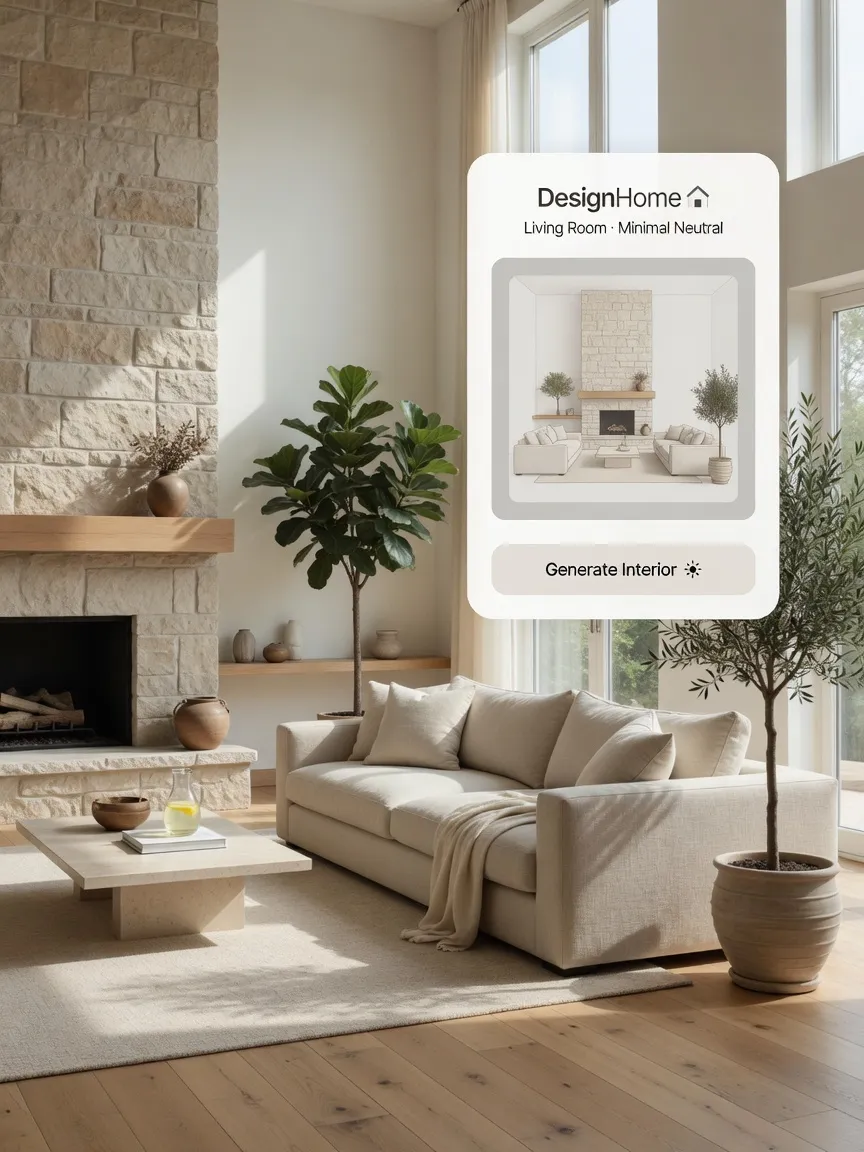
Turning a mismatched room into a warm, intentional space comes down to three basic design principles:
- Visual Anchor: Give the eyes a clear place to rest when stepping into the room (a wood mantel, an accent wall, or a large piece of art).
- Grouping (Gestalt Proximity): Instead of scattering decor items across every flat surface, pull them into small, purposeful clusters of three.
- Material Balance: Balance hard surfaces (glass, tile, metal) with soft elements (woven rugs, linen drapes, fabric upholstery).
When you apply these simple interior design ideas, you stop buying random decor pieces and start creating a home that feels put-together naturally.
Pick Your Room Style: Finding the Look That Matches Your Personality
Trying to mix Pinterest trends without a plan leads straight to a chaotic room. To pick home interior design styles that fit your daily life, match your aesthetic choices to how you actually use your space.
| Design Style | Key Visual Characteristics | Maintenance Level | Best Fit For |
|---|---|---|---|
| Modern Warmth | Clean lines, rich woods, neutral tones, matte metal | Medium | Busy households wanting sleek, clutter-free spaces |
| Rustic / Farmhouse | Distressed wood, stone, textured fabrics, warm beige | Low | Families with pets or kids needing durable materials |
| Minimalist | Bare surfaces, hidden storage, monochromatic palettes | High | Single professionals or low-clutter lifestyles |
| Japandi / Scandinavian | Low-profile furniture, natural light, muted greens/oaks | Medium | Anyone prioritizing calm, low-stress environments |
Think about your daily routine. If you have kids and dogs, bright white minimalist sofas will cause constant stress. Choose durable, textured living room design styles that handle daily wear while looking intentional.
The 60-30-10 Color Rule: How to Pick Room Colors That Never Clash
Staring at paint swatches is exhausting. Pick the wrong shade, and your living room either looks like a dark cave or a sterile clinic.
The standard 60-30-10 color rule eliminates the guessing game by balancing your interior design color schemes:
- 60% Dominant Base: Your main wall paint, largest area rug, or large sectional sofa.
- 30% Secondary Shade: Curtains, accent chairs, wood furniture stains, or secondary walls.
- 10% Accent Color: Throw pillows, artwork, ceramics, and small decorative accessories.
60% Main Base (Walls, Rugs) ──► 30% Secondary (Furniture, Drapes) ──► 10% Accent (Pillows, Art) Real-World Color Balance Example 60% Base: Warm Cream (Walls & Large Wool Rug) 30% Secondary: Soft Taupe & Oak Wood (Sofa, Coffee Table, Curtains) 10% Accent: Terracotta or Deep Forest Green (Pillows, Throw Blankets, Vases)
This 3-part balance ensures your color palette stays cohesive without overwhelming your visual senses.
Light Up Every Corner: Layering Ambient, Task, and Accent Lighting
A single overhead ceiling fixture floods a room with harsh light, casting long shadows and flattening textures. Creating cozy interior lighting design ideas requires layering three distinct sources of light.
▲ Overhead Ceiling Fixture (Ambient) │ [ Floor Lamp ] ───┼─── [ Desk / Reading Light ] (Task) (Accent Glow) │ ▼ Wall Sconce / Shelf Light (Accent)
- Ambient Light (Base): Flush-mount ceiling fixtures or recessed lights that illuminate overall walkways. Keep these on dimmer switches.
- Task Light (Functional): Targeted lamps for reading by the armchair, prep lights under kitchen cabinets, or desk lamps.
- Accent Light (Mood): Warm table lamps, picture lights over wall art, or soft LED strips behind media consoles.
Lighting Tip: Always use warm white bulbs (2700K to 3000K). Cold white bulbs (4000K+) make residential living rooms feel like commercial office space.
Small Space Magic: Styling Compact Rooms to Feel Open and Uncluttered
Tiny rooms can feel cramped fast if you pick bulky, floor-bound furniture. Making a small space feel open relies on visual tricks that create breathing room.
- Choose Leggy Furniture: Sofas and chairs with exposed wooden or metal legs let light pass underneath, making floors feel larger.
- Hang Mirrors Opposite Windows: Reflecting natural sunlight doubles visual depth in narrow hallways or small living rooms.
- Pull Furniture Off Walls: Leaving just 2 to 3 inches between your sofa and the wall creates depth instead of a boxed-in look.
- Use Vertical Storage: Replace bulky floor cabinets with tall floating shelves to draw the eye upward toward the ceiling.
The Living Room Focal Point: Anchoring Your Sofa, Rug, and Media Wall
Your living room layout should naturally guide people toward a clear central focus—whether that is a fireplace, a TV media wall, or a large bay window.
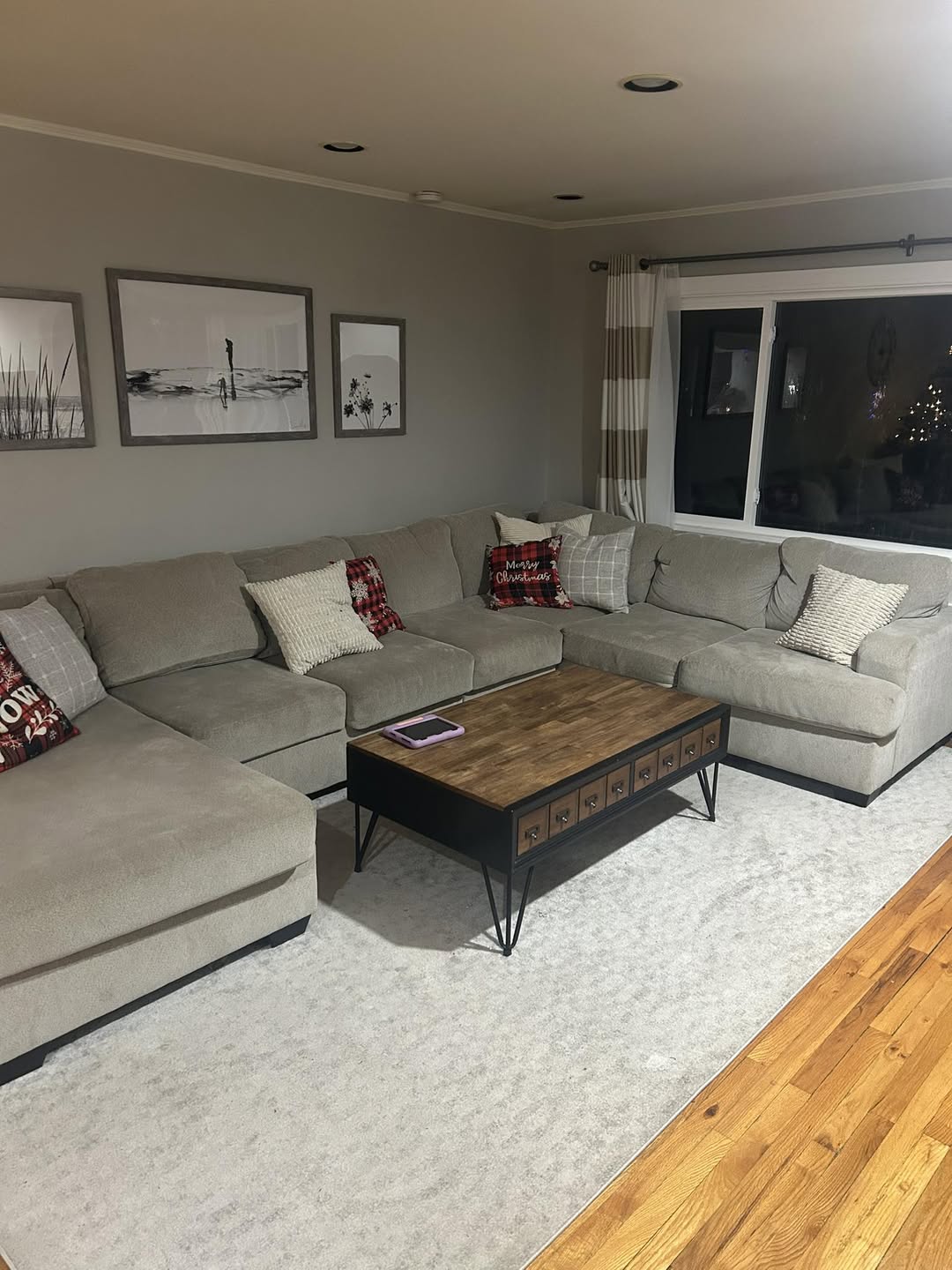
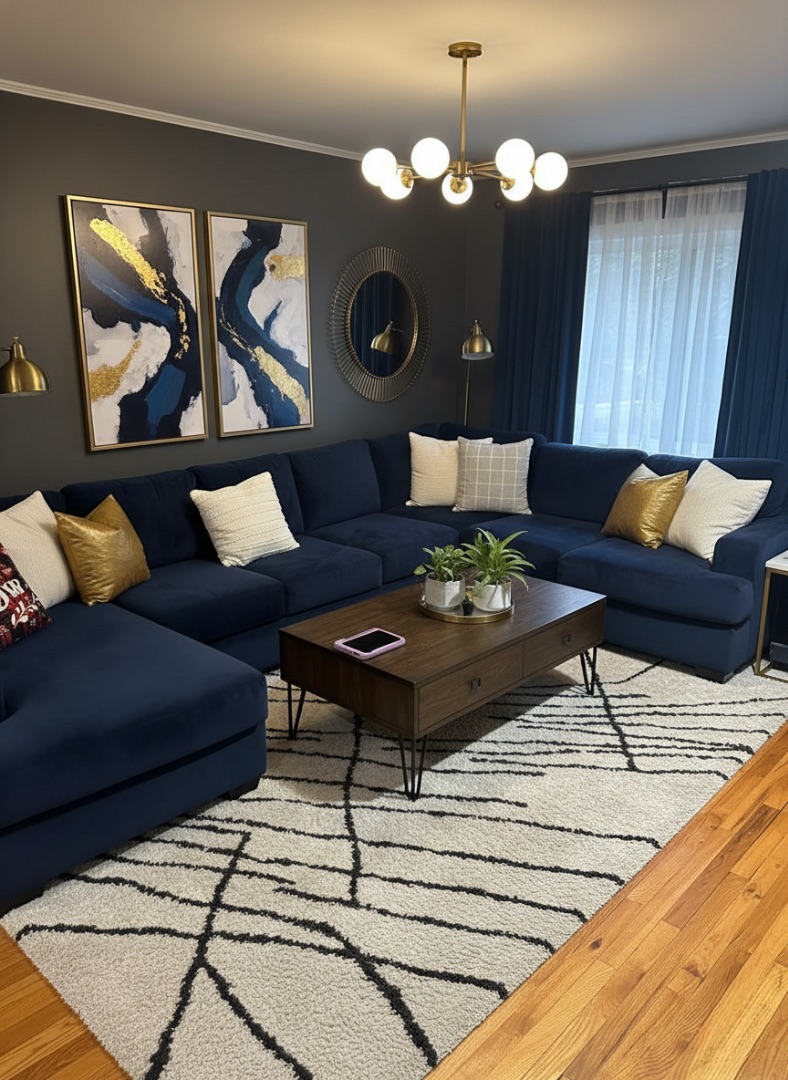
- Rug Placement Rules: Your area rug must be large enough so at least the front legs of your sofa and accent chairs sit firmly on top of it.
- Seating Distance: Keep your primary sofa between 7 and 10 feet from your main media wall for comfortable viewing.
- Conversation Areas: Position chairs facing toward the sofa at slight angles to encourage natural conversation rather than linear stadium seating.
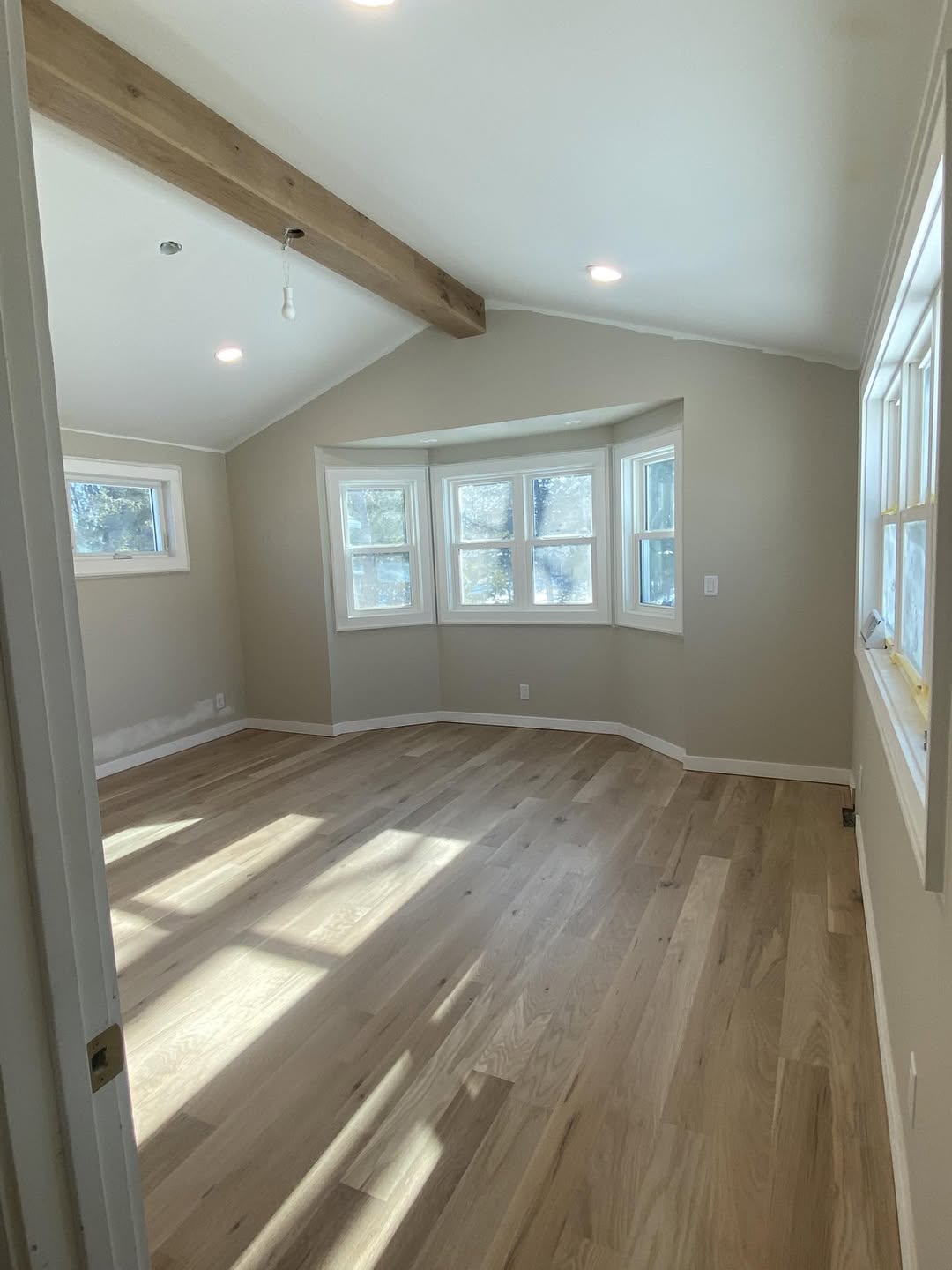
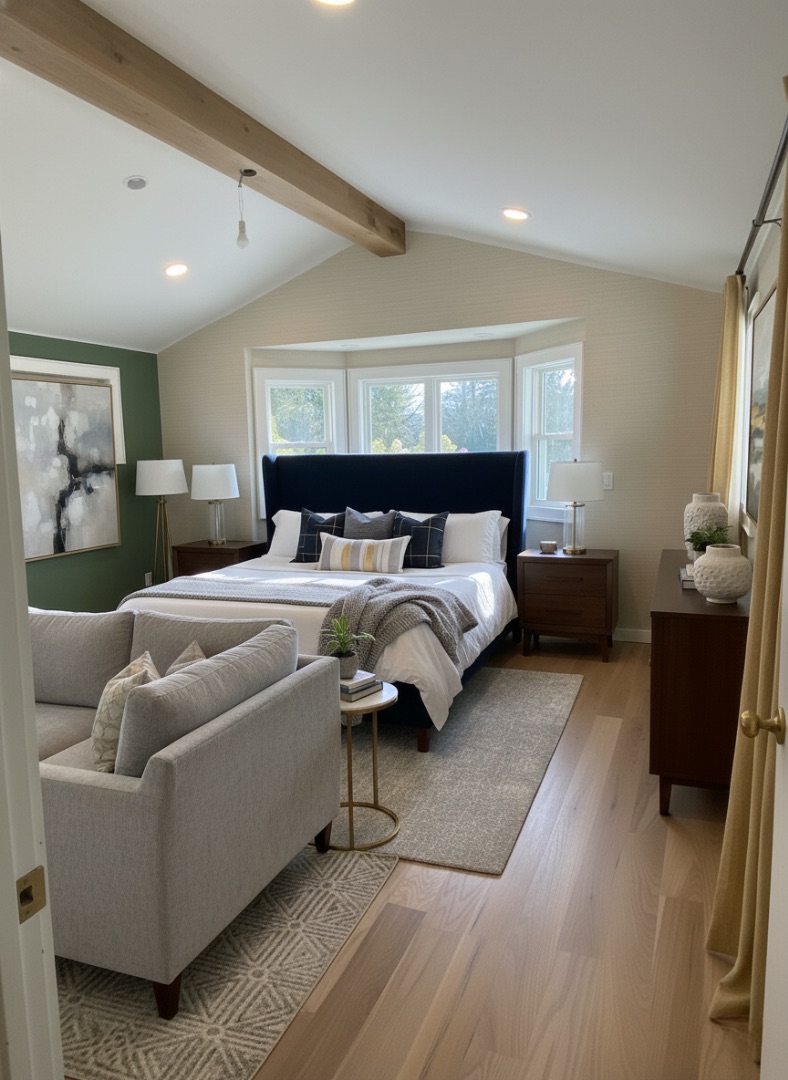
Bedrooms Made for Rest: Soft Textures, Warm Tones, and Calming Layouts
Your bedroom should function as a quiet retreat built for recovery. When styling your space, prioritize tactile warmth over excessive visual noise.
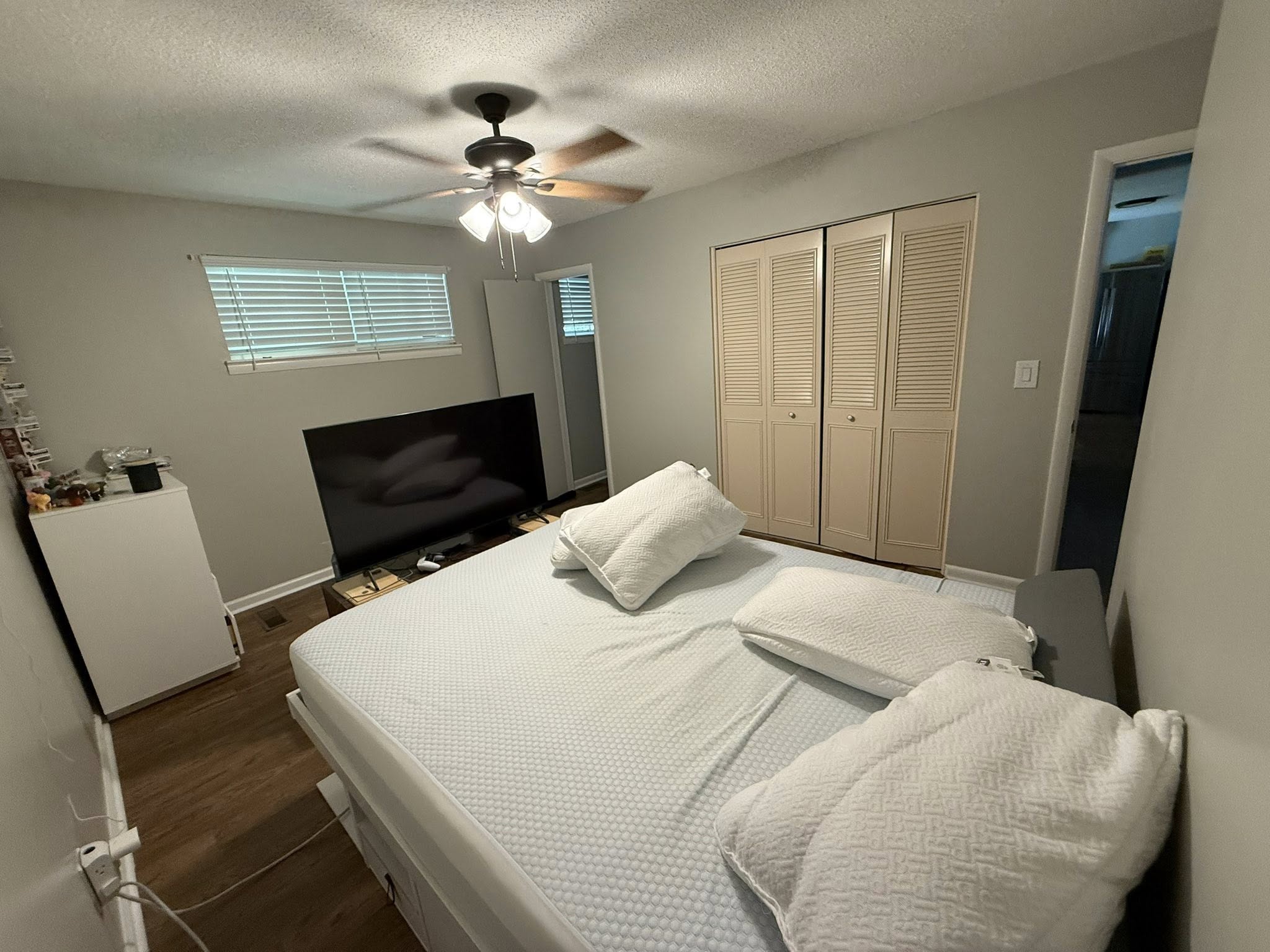
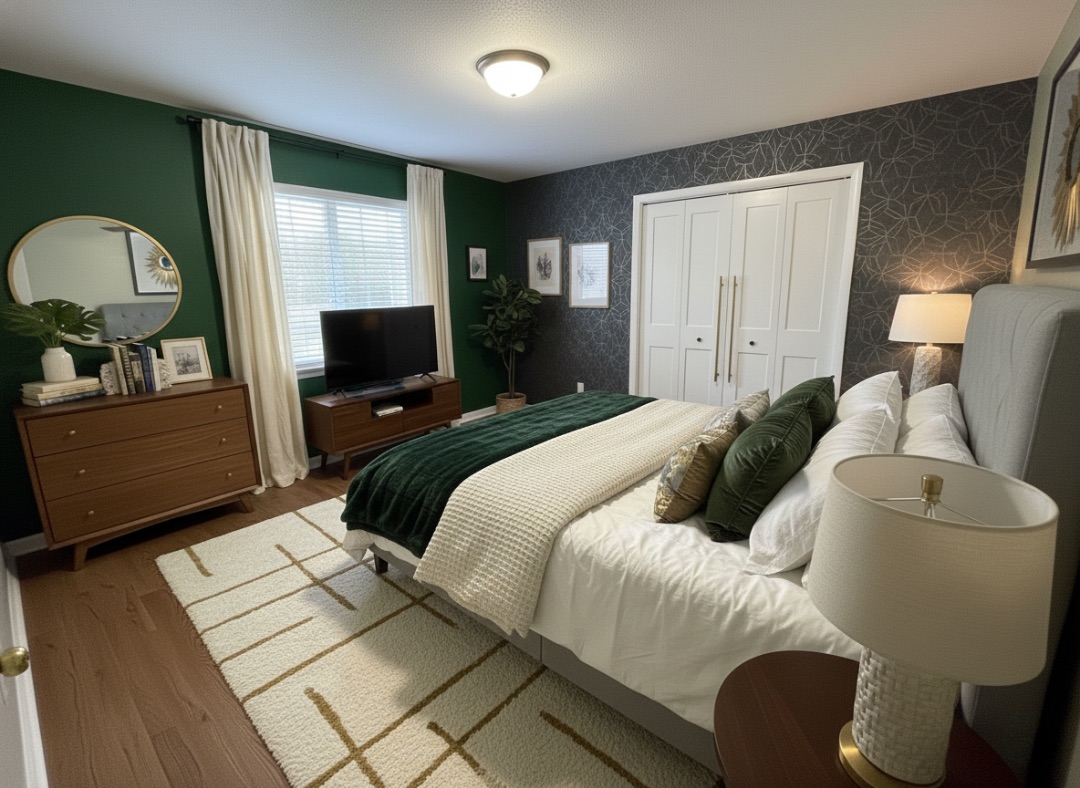
- Position the Bed in the Command Position: Place your bed against a solid wall facing the entry door, but not directly inline with the doorway.
- Layer Natural Bedding: Combine crisp cotton or linen sheets with a textured waffle blanket and a plush duvet folded at the foot of the bed.
- Keep Side Tables Clear: Use nightstands with drawers to hide phone cords, books, and clutter out of sight before you turn off the lights.
- Choose Muted Wall Shades: Soft sage green, warm cream, or dusty slate blue lower visual stimulation, helping your body prepare for sleep.
Kitchen & Dining Styling: Functional Counters and Welcoming Tables
Kitchen counters easily turn into dumping grounds for mail and appliances. Styling a functional kitchen requires setting visual boundaries for daily clutter.
| Area | Common Styling Mistake | Practical Design Fix |
|---|---|---|
| Kitchen Island | Leaving small appliances scattered everywhere | Group cutting boards, olive oil bottles, and salt cellars on a single wooden tray |
| Dining Table | Keeping the tabletop completely bare between meals | Place a low ceramic bowl or small vase of greenery in the center |
| Open Shelves | Overcrowding with mismatched mugs and boxes | Display sets of matching dinnerware alongside textured wooden bowls |
Applying the Gestalt principle of Common Region—using trays to group small kitchen items—instantly turns counter clutter into an intentional kitchen display.
Texture Over Clutter: Using Rugs, Pillows, and Curtains to Add Depth
If a room feels flat, do not buy more trinkets. Mix different material textures to build visual depth without filling up floor space.
[ Woven Wool Rug ] ──► [ Smooth Leather Armchair ] ──► [ Linen Drapes ] ──► [ Bouclé Pillows ]
- Combine Opposite Fabrics: Pair a smooth leather armchair with a soft bouclé pillow or a chunky knit throw blanket.
- Hang Curtains High and Wide: Mount curtain rods 4 to 6 inches above your window frame and let drapes extend all the way down to touch the floor.
- Layer Rugs: Place a smaller vintage patterned rug on top of a larger neutral jute or sisal rug for an instant layered look.
Avoid Common Decorating Traps That Make Expensive Rooms Look Cheap
Even high-end furniture looks awkward when small placement mistakes throw off the balance of a room. Audit your home for these common layout errors:
- The Floating "Postage-Stamp" Rug: Buying a rug that is too small makes the entire room feel cramped. Ensure furniture legs rest on the rug.
- Hanging Wall Art Too High: Hanging frames near the ceiling isolates artwork. The center of any art frame should sit roughly 57 to 60 inches from the floor (eye level).
- Pushing All Furniture Against Walls: Pushing every piece flat against walls leaves an awkward empty void in the middle of the room. Pull seating inward to create cozy grouping zones.
- Matching Furniture Sets: Buying a matching sofa, loveseat, and armchair set from a single package display makes a home look like a showroom catalog. Mix wood finishes and upholstery styles instead.
Budget-Friendly Upgrades: High-Impact Room Decor Transformation Ideas
Refreshing your home's look does not require major demolition or high spending. You can complete these high-impact room decor transformation ideas over a weekend:
- Swap Cabinet Hardware: Replace builder-grade chrome pulls with matte black or brushed brass handles on kitchen cabinets and bathroom vanities.
- Paint a Feature Wall: Use a single can of dark, rich paint behind your bed headboard or living room media console to create contrast.
- Add Tall Indoor Plants: Place a large fiddle-leaf fig, monstera, or olive tree in an empty corner to add height and natural color.
- Update Light Switches & Covers: Swap old, yellowed plastic switch plates for clean architectural covers.
Visualize Your Interior Decor and Spatial Layout Live (DesignHome Synthesis™)
Trying to guess whether a 9x12 rug will fit your living room or whether a velvet sofa matches your wall paint often leads to expensive return fees.
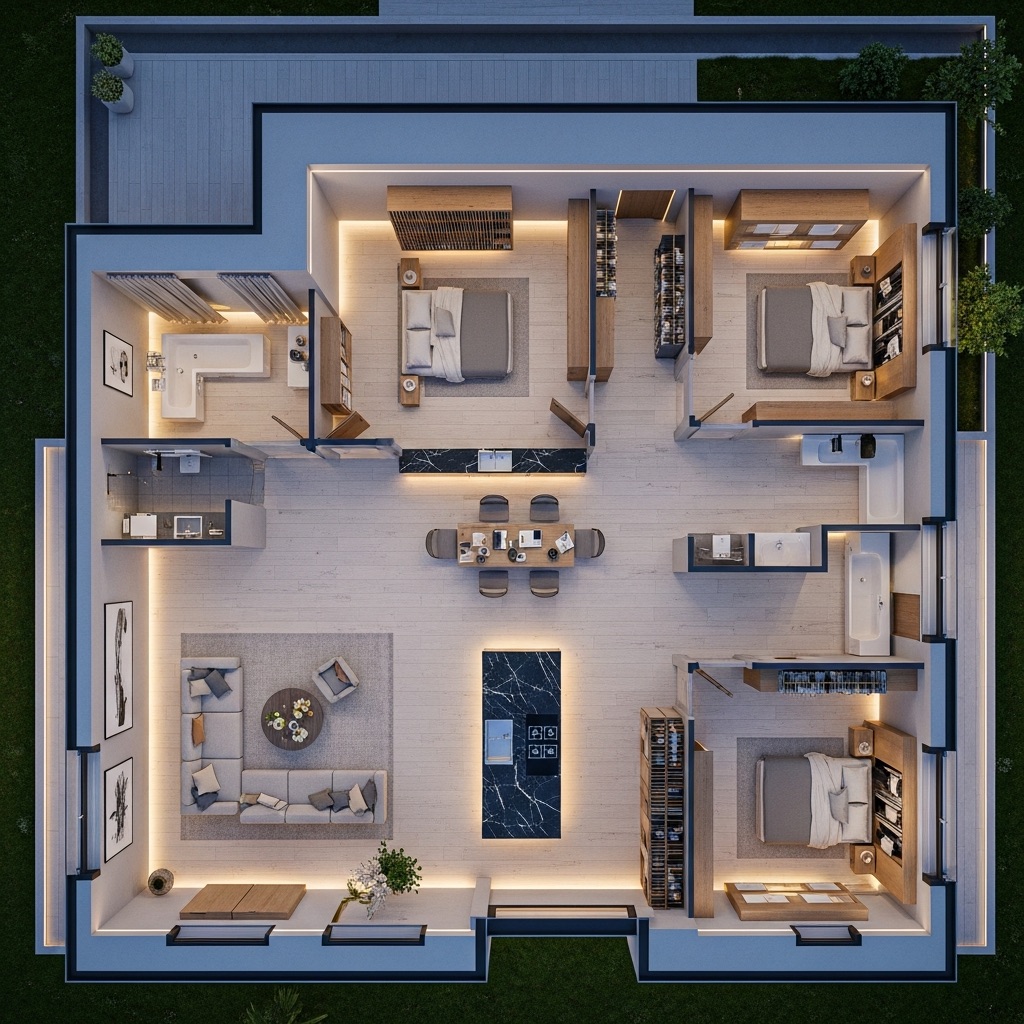
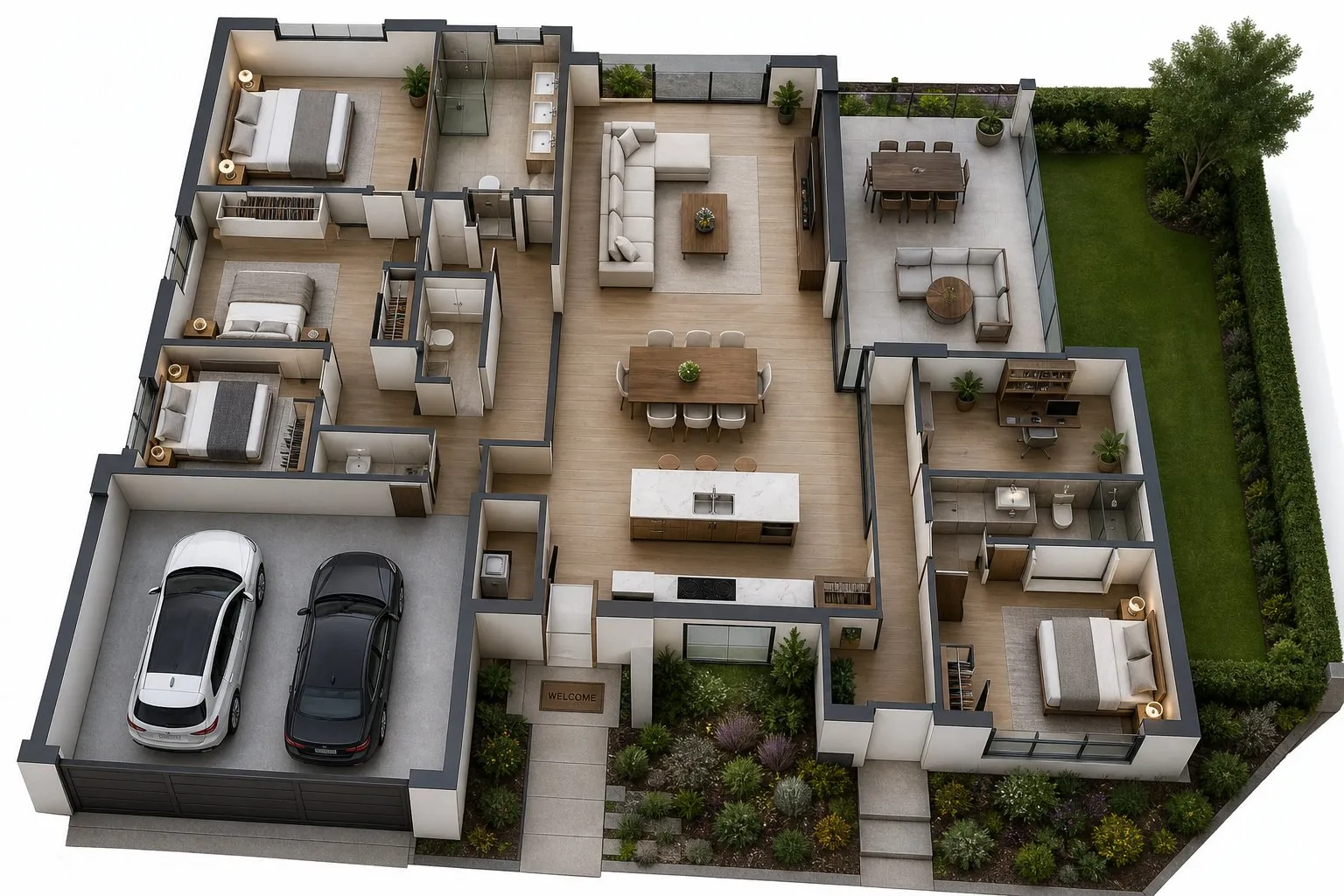
DesignHome Synthesis™ takes the guesswork out of home styling by generating accurate 2D layouts and photorealistic 3D room visualizations instantly.
Instead of moving heavy furniture around by hand or crossing your fingers when buying decor online, you can test furniture clearances, wall paint colors, and lighting layers directly inside DesignHome Synthesis™. See how your complete home comes together before spending a single dollar.
Frequently Asked Questions About Interior Design Ideas
What are the most effective interior design ideas to make a small room look bigger?
Use furniture with exposed wooden or metal legs to let light pass underneath, hang mirrors opposite windows to double natural light reflection, and pull sofas 2 to 3 inches away from walls to create visual depth. Switching from bulky floor cabinets to tall floating shelves also draws the eye upward, making ceilings feel higher. Exploring smart spatial layouts can further maximize your available square footage.
How do I choose a cohesive interior design color scheme for my entire home?
Stick to the 60-30-10 color balance. Allocate 60% of the room to a neutral dominant base (walls and main rugs), 30% to a secondary shade (curtains, wood furniture, and accent chairs), and 10% to bold accent colors (pillows, art, and ceramic decor). To connect adjacent rooms, carry your 60% neutral base throughout hallways and main living areas.
What is the 60-30-10 rule in room decoration?
It is a classic color distribution formula designed to keep rooms balanced without visual clutter. By using 60% wall and floor neutrals, 30% furniture and drapery tones, and 10% decorative accent pops, your space maintains depth while preventing competing shades from clashing. You can learn more about spatial balance in our blueprint reading tutorial.
How do I arrange living room furniture for comfortable flow and conversation?
Anchor your seating around a single focal point, such as a TV wall, fireplace, or picture window. Ensure your main area rug is large enough for the front legs of your sofa and accent chairs to rest on top. Position chairs at slight angles toward the sofa rather than lined up straight against walls.
What are the most common interior design mistakes that make expensive rooms look cheap?
The top errors include buying "postage-stamp" rugs that are too small for the furniture, hanging wall art above eye level (art centers should sit 57 to 60 inches from the floor), pushing every furniture piece flat against walls, and buying matching furniture sets directly off a showroom display floor.
How do I add warmth and depth to a neutral room without buying extra decor clutter?
Focus on texture contrast rather than adding decorative knick-knacks. Combine opposing materials like a smooth leather armchair with a bouclé pillow, layer a vintage patterned rug over a woven jute base rug, and hang floor-length linen drapes 4 to 6 inches above window frames.
What is the best way to layer lighting in a residential living space?
Combine three distinct light layers: ambient light (dimmable recessed or ceiling fixtures for general walkways), task light (reading lamps by armchairs or under-cabinet kitchen lights), and accent light (warm table lamps, picture lights, or shelf backlighting). Always use warm white bulbs between 2700K and 3000K to prevent a cold, commercial feel.
How do I choose the correct rug size for my living room or bedroom?
In a living room, a 9x12 or 8x10 foot rug typically fits best, ensuring at least the front legs of all seating rest on the rug. In a bedroom, the rug should extend at least 24 to 36 inches beyond the sides and foot of the bed frame so your feet land on soft flooring when stepping out of bed.
What are quick budget-friendly interior design ideas for a weekend refresh?
Swap builder-grade chrome cabinet pulls for matte black or brushed brass hardware, paint a rich dark feature wall behind your bed or TV, add a tall floor plant like a fiddle-leaf fig to an empty corner, and replace old plastic light switch covers with clean architectural plates.
How can I preview my interior design ideas in 3D before buying paint or furniture?
You can test spatial arrangements, color schemes, and room clearances live using DesignHome Synthesis™. Instead of guessing online or moving heavy furniture by hand, upload your room dimensions or photos to generate automated 2D floor plans and 3D room walkthroughs instantly.


