

A peaceful bedroom is built on intentional spatial balance, soft lighting layers, and low visual noise. By optimizing your room's layout, color palette, and physical proportions, you can transform an overwhelming space into a restorative sanctuary.
Whether you are refreshing a master suite or arranging a compact bedroom footprint, thoughtful spatial planning turns an inefficient room into a quiet, cozy retreat. If you are dealing with a compact footprint, start by exploring ways to make a small bedroom feel more open and breathable before finalizing your layout.
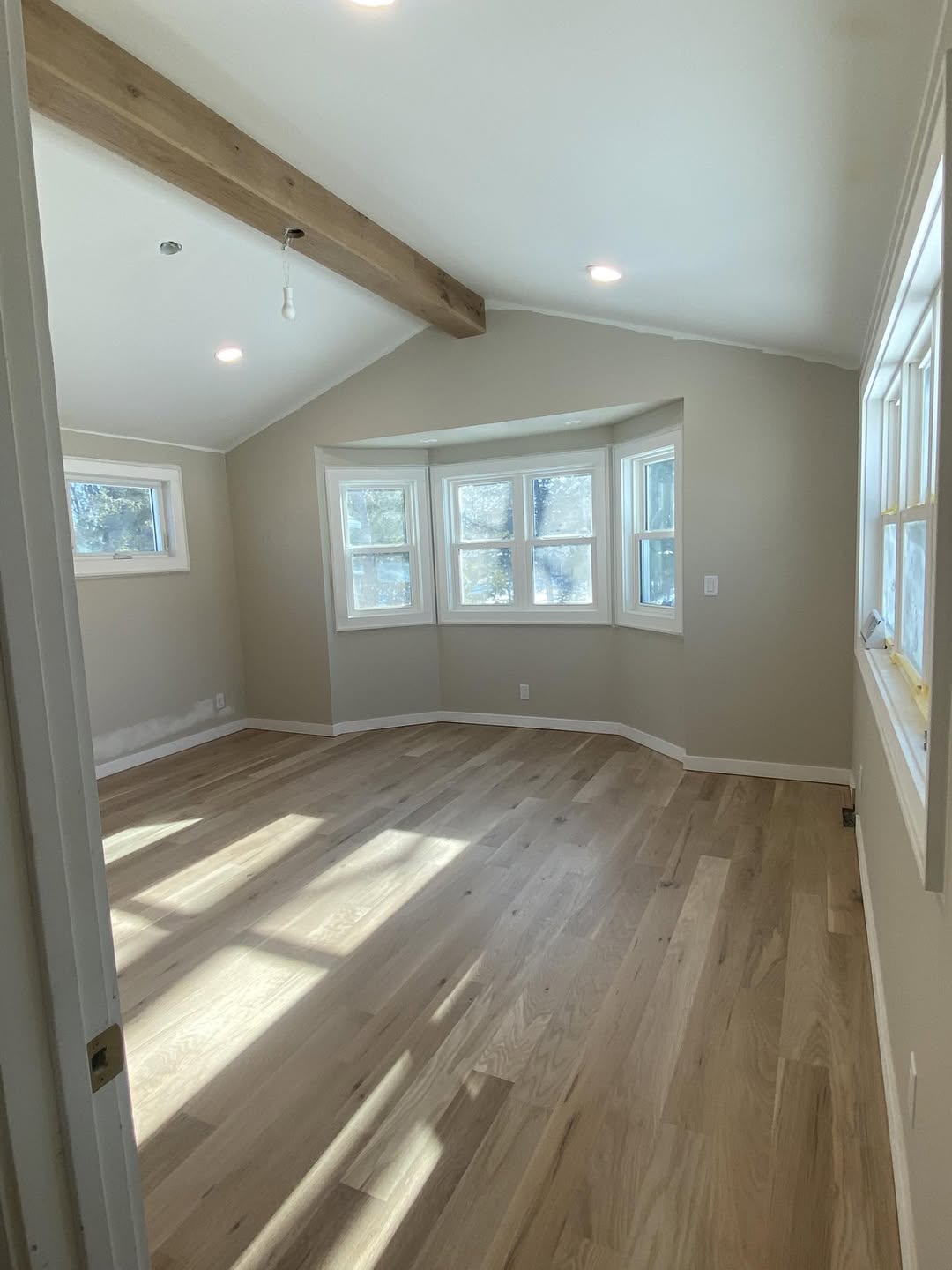
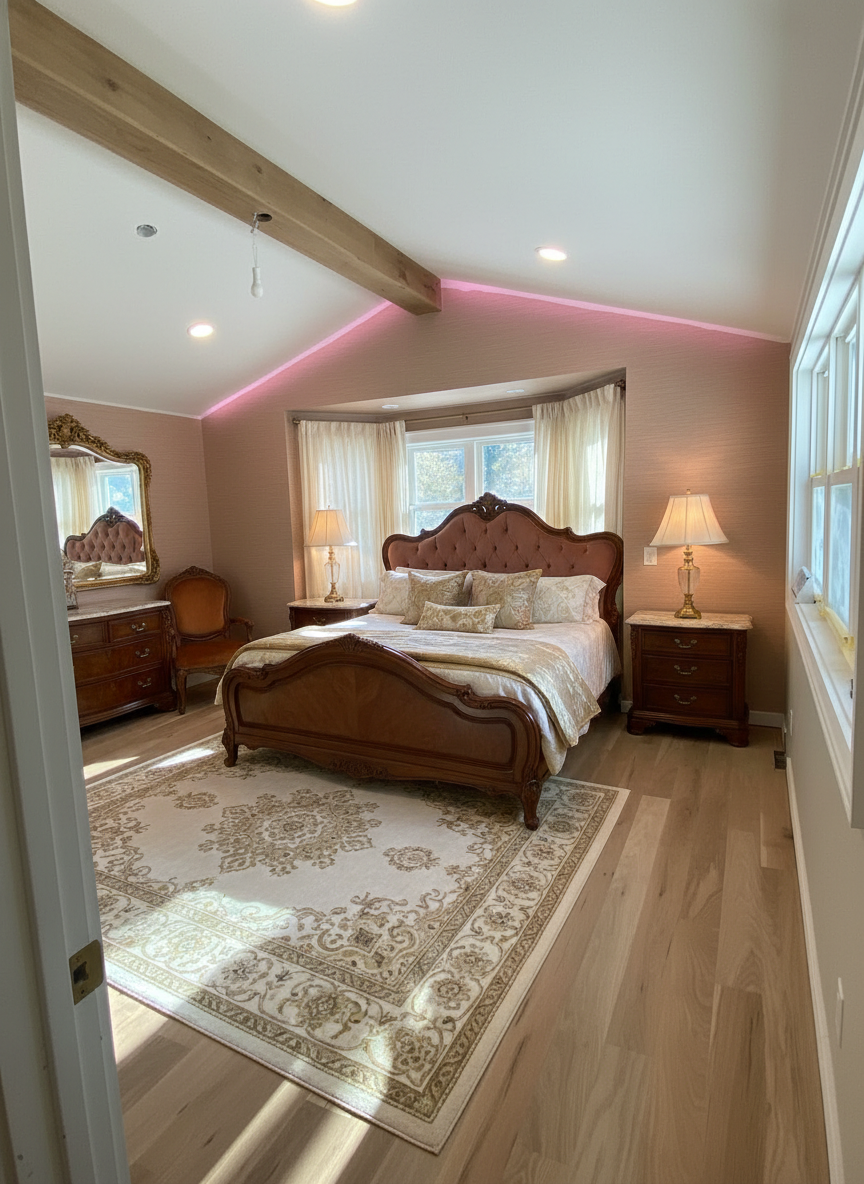
Create a More Relaxing Bedroom
When exploring relaxing bedroom ideas, the underlying goal is reducing daily cognitive overload. A bedroom feels chaotic when physical clutter, awkward furniture placements, or harsh lighting keep your senses elevated.
To execute a cohesive, calming bedroom design, align your space around three fundamental principles:
- Spatial Breathing Room: Keep traffic lanes clear around both sides of the bed to prevent daily friction.
- Low Visual Contrast: Avoid high-contrast geometric patterns or oversaturated accent walls that draw forced visual attention.
- Sensory Softness: Incorporate sound-dampening textiles, warm dimmable lighting, and hidden storage options.
Start With the Bedroom Layout
Before buying new decor, evaluate your foundational bedroom layout. Positioning heavy furniture improperly disrupts movement and ruins the room's visual equilibrium. Learning the proper techniques for arranging bedroom furniture ensures your traffic lanes remain unobstructed.
SANCTUARY LAYOUT CLEARANCES +-------------------------------------------------------------------+ | 1. Entryway Threshold : Keep a 36-inch clearance arc | | 2. Bedside Circulation: Maintain 24-30 inches on both sides | | 3. Dresser Pullouts : Reserve 36 inches for full drawer access | +-------------------------------------------------------------------+
Positioning the bed along the main wall opposite or diagonal to the entry door creates a secure, commanding view that immediately settles the eye upon entering.
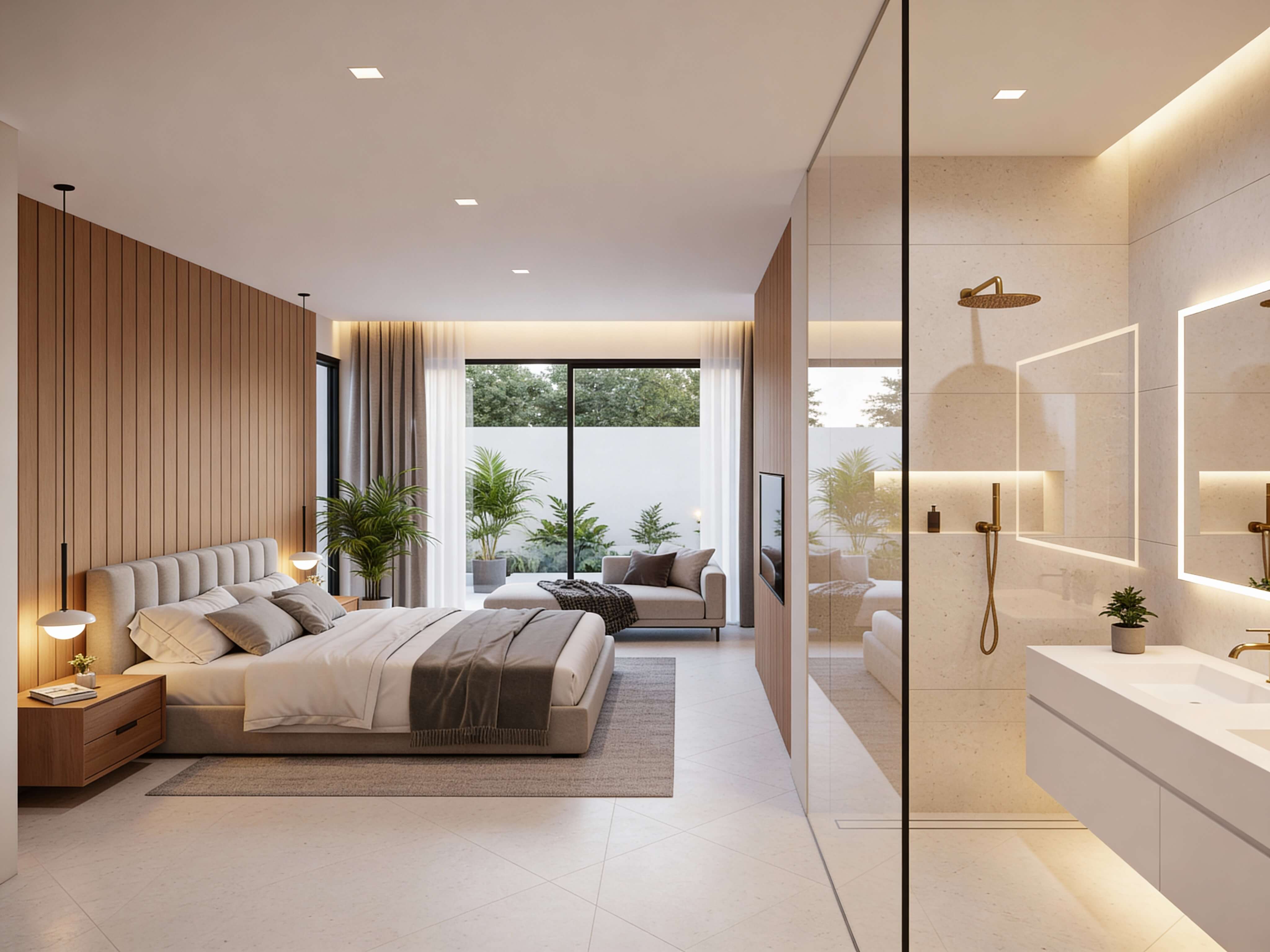
Choose Colors That Make the Room Feel Calmer
Selecting relaxing bedroom colors goes beyond painted walls—it establishes the environmental tone for morning and evening routines.
- Warm Alabasters & Soft Creams: Reflect daylight gently while adding warmth that stark cooler whites lack.
- Muted Sage & Earthen Olive: Ground the visual field with natural, low-saturation organic tones that lower heart-rate response.
- Soft Warm Greys & Taupes: Offer sophisticated neutrality that seamlessly connects natural wood finishes and upholstered fabrics.
Make the Bed the Comfortable Center of the Room
Achieving an inviting cozy bedroom design requires making the bed the undisputed focal anchor of your floor plan. Applying principles for a relaxing primary bedroom design ensures your space feels like a true retreat.
| Design Element | Standard Approach | Cozy Alternative | Psychological Impact |
|---|---|---|---|
| Headboard | Low-profile metal frame | Upholstered fabric or padded headboard | Adds sound absorption and soft back support |
| Bedding Layering | Single thin duvet cover | Breathable linen base with a textured waffle duvet | Creates tactile depth and inviting physical comfort |
| Accent Pillows | Dozens of small cushions | Two oversized euro shams + long lumbar pillow | Reduces daily setup hassle while looking structured |
Use Lighting to Change the Mood at Night
Bright overhead lighting triggers alertness. Effective bedroom lighting ideas rely on warm, low-level illumination layered at human eye level. Following a dedicated bedroom lighting guide helps you layer fixtures to support natural circadian rhythms.
- Warm Color Temperature: Choose 2700K or 2200K warm LED bulbs to mimic sunset tones and support natural circadian rhythms.
- Wall-Mounted Sconces: Install dimmable bedside sconces with fabric shirting to free up nightstand surface area.
- Under-Bed Architectural Lighting: Add hidden LED strip lighting under floating bed frames to create an ethereal, ambient nightlight.
Reduce Clutter Without Making the Room Feel Empty
Maintaining a clutter-free bedroom isn't about stark minimalism; it's about reducing visual friction while retaining personality.
VISUAL NOISE REDUCTION [ CLUTTERED APPROACH ] [ BALANCED SANCTUARY ] +--------------------------+ +--------------------------+ | [Open Cables] [5 Books] | | [Nightstand Surface] | | [Scatter Trinkets] | | - 1 Small Tray | | [Uncovered Clothing] | | - 1 Warm Reading Lamp | +--------------------------+ +--------------------------+
Hide charging cords inside felt drawer organizers, store extra blankets in upholstered storage ottomans, and curate nightstand tops to display only one or two meaningful items.
Add Texture for a Warmer, More Comfortable Feel
Applying thoughtful cozy bedroom ideas relies heavily on material variation rather than adding more physical furniture.
- Plush Wool & Jute Area Rugs: Anchor the floor under the bed, extending 24 to 36 inches past the sides to ensure a soft landing for feet each morning.
- Floor-Length Lined Drapery: Hang heavy linen or velvet curtains high near the ceiling line to absorb sound echoes and filter morning light.
- Natural Wood Grains: Introduce warm oak, walnut, or rattan bedside details to bring organic balance to upholstered surfaces.
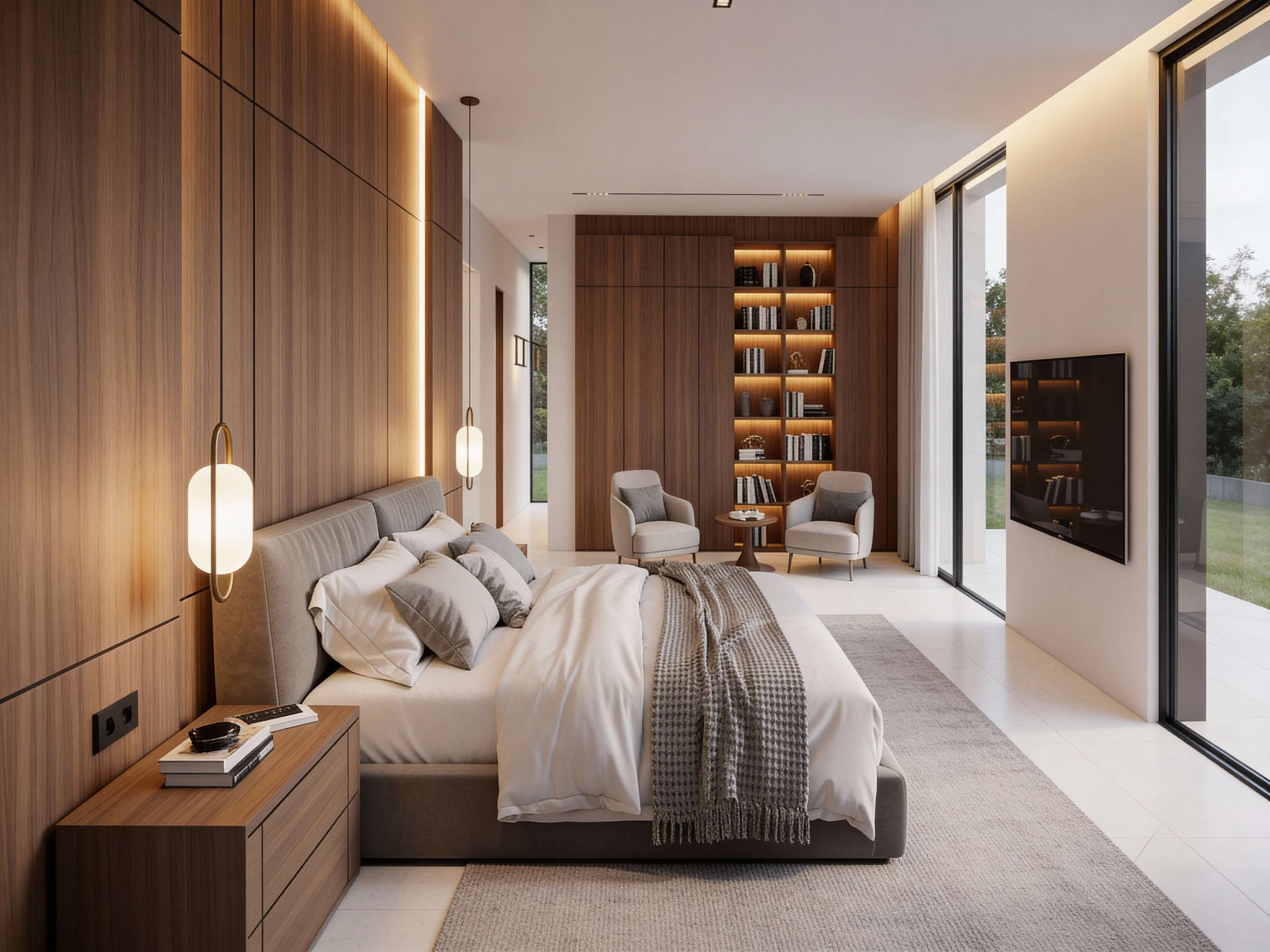
Make a Small Bedroom Feel More Relaxing
A compact footprint can feel exceptionally cozy when guided by intentional small bedroom furniture layout strategies.
- Float Storage Elements: Install floating nightstands and wall shelves to keep the floor surface visible beneath furniture.
- Monochromatic Paint Schemes: Paint walls, door trims, and baseboards the exact same shade to eliminate visual breaks.
- Mirrored Reflection: Place a tall, slender wall mirror adjacent to a window to bounce natural daylight deep into corners.
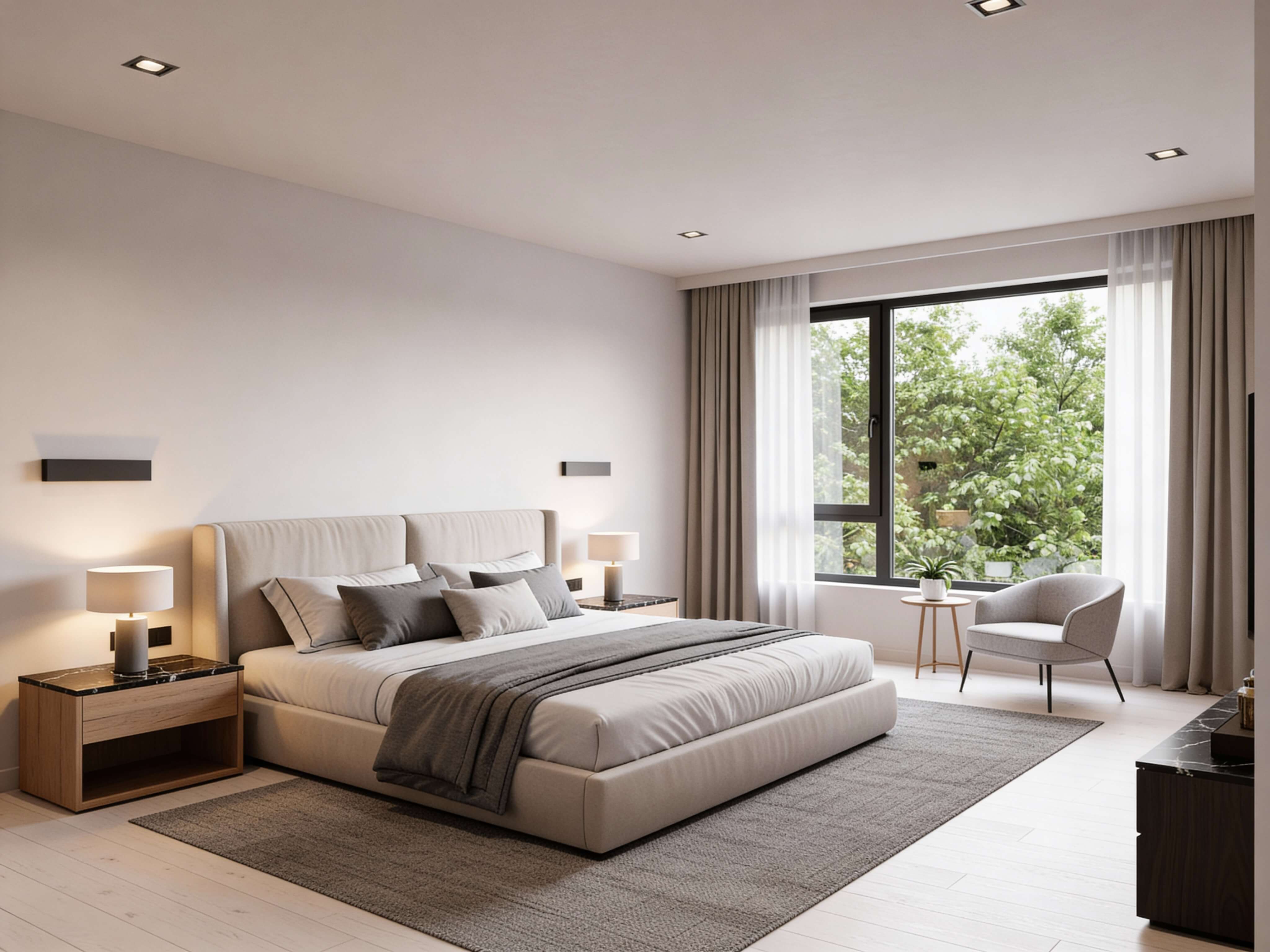
Try Different Bedroom Styles Before You Commit
Comparing distinct bedroom design styles helps you identify which aesthetic aligns best with your lifestyle before making major purchases. If you aren't sure where to start, identifying your core interior design style will guide your material selections:
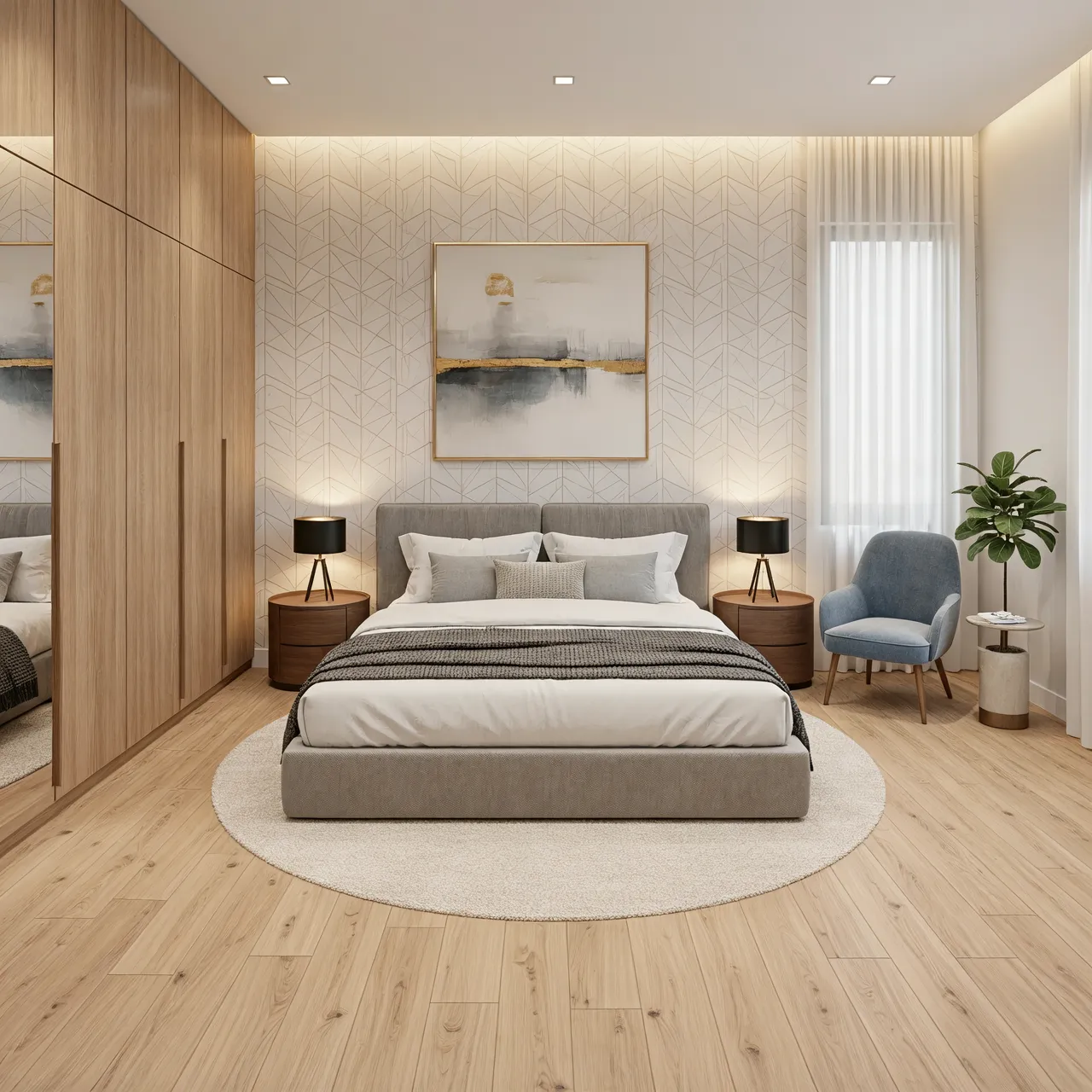
| Aesthetic Style | Key Materials | Color Palette | Spatial Atmosphere |
|---|---|---|---|
| Japandi / Warm Organic | Light oak, linen, paper pendants | Off-white, warm sand, pale sage | Uncluttered, earthy, highly functional |
| Modern Minimalist | Matte black metal, low platform beds | Charcoal, cool grey, crisp white | Clean-lined, spacious, airy |
| Soft Luxury | Velvet headboards, brass sconces | Dusty rose, warm alabaster, taupe | Enveloping, hotel-inspired, rich texture |
Visualize Your Bedroom Before Buying Anything
Investing in bedroom furniture without verifying scale can leave you with cramped walkways or mismatched nightstand heights.
Using DesignHome Synthesis™ as your primary bedroom design tool gives you complete spatial clarity before spending money:
- Test exact king vs. queen bed footprints inside your room layout.
- Verify nightstand heights against cushion profiles for perfect proportioning.
- Preview wallpaper textures, paint shades, and lighting schemes in photorealistic 3D.
Design Your Bedroom Online and Test Different Layouts
Moving heavy bed frames and solid wood dressers by hand is exhausting.
Our dynamic bedroom planner online lets you visualize furniture inside your room before buying by testing multiple configurations digitally:
[ Input Wall Dimensions / Upload Floor Plan ] | v [ DesignHome Synthesis Intelligence System ] | v [ Photorealistic 3D Bedroom Layout Options ]
- Step 1: Upload a clear photo of your bedroom from the best angle. Include your bed, windows, doors, closets, and existing furniture so we can understand your space.
- Step 2: Describe how you want your bedroom to look and feel. Tell us your preferred furniture, style, colors, layout, or what you want to change.
- Step 3: Hit Generate and discover a bedroom design tailored to your space, preferences, and existing furniture.

Turn Your Bedroom Into a Calmer Space
Achieving a peaceful, beautifully proportioned sanctuary comes down to smart spatial balance, low visual contrast, and layered comfort.
By finalizing your floor plan inside DesignHome Synthesis™—our advanced AI bedroom design visualizer—you can optimize every square foot, eliminate guesswork, and transform your bedroom into a calm retreat.
FAQ about How to Create a Relaxing Bedroom
What is the most effective color palette for a relaxing bedroom?
Low-saturation neutrals and soft organic tones—such as warm alabaster, pale greige, muted sage, and dusty slate blue—reduce visual cognitive load. High-contrast or oversaturated primary colors stimulate alertness, whereas low-contrast monochrome or analogous palettes promote circadian deceleration and create a peaceful atmosphere.
How does bed placement affect sleep quality and spatial calmness?
Placing the bed in a commanding position—centered against a solid wall directly opposite or diagonal to the room's main entrance—provides a psychological sense of security. Avoid placing the headboard directly beneath unshaded windows or along high-traffic entry corridors where drafts, light leaks, and movement interrupt deep REM cycles.
What color temperature lighting should be used in a relaxing bedroom?
Stick strictly to warm LED illumination between 2200K and 2700K in the bedroom. Cooler white light above 3000K emits higher concentrations of blue light that suppress natural melatonin production. Dimmable task lamps, warm under-bed strip lights, and fabric-shaded wall sconces placed at eye level create soft, layered evening lighting.
How much walking space is needed around the bed to prevent room clutter and friction?
Maintain a minimum clearance walkway of 24 to 30 inches on both sides of a queen or king bed, and at least 36 inches along the primary entry path. Squeezing past furniture or blocking closet door swings creates daily physical friction that elevates stress before bedtime.
How can I reduce visual clutter without making the bedroom feel cold or empty?
Balance visual noise using intentional closed storage rather than stark minimalism. Swap open nightstands for models with drawers, use under-bed storage ottomans for extra linens, and limit nightstand tops to two functional items like a reading lamp and a small dish. Hiding charging cables inside organizer drawers removes surface clutter while preserving room warmth.
What window treatments work best for deep sleep and relaxation?
Layer light-filtering sheer curtains with heavy blackout drapes or floor-length thermal-lined panels. Blackout lining blocks ambient streetlights and early morning sun, while floor-to-ceiling drapery absorbs acoustic reverberation and adds rich tactile softness to bare walls.
How do textiles and textures contribute to a cozy bedroom environment?
Layering varied tactile surfaces—such as washed linen duvet covers, waffle-knit cotton throws, and plush wool or jute area rugs—engages sensory touch and promotes physical comfort. Extending a plush rug 24 to 36 inches past the sides of the bed ensures a soft landing for your feet every morning.
What is the ideal nightstand height relative to the mattress?
Select nightstands that sit within 2 inches of your top mattress height (ideally level with or slightly higher than the mattress top). This allows you to reach for a water glass or switch off a reading lamp naturally without straining your back or reaching down in the dark.
Should I keep a television or desk in a relaxing bedroom?
Removing electronic screens and workspaces from the bedroom strengthens your brain's mental association between the room and restful sleep. If a desk or TV must remain due to space constraints, use a folding room divider or sliding panel to hide the workspace from view when lying in bed.
How do I create a calming environment in a small bedroom layout?
Use space-saving vertical elements like wall-mounted sconces instead of bulky table lamps, floating nightstands to keep floor area visible, and tone-on-tone paint across walls and trim to eliminate harsh visual boundaries. Keeping floor planes open creates an illusion of airiness in compact footprints.
What role does air quality and scent play in bedroom relaxation?
Maintaining clean air with a quiet HEPA air purifier reduces airborne dust and allergens that disrupt nighttime breathing. Combine proper ventilation with subtle natural aromatherapy, such as lavender, cedarwood, or chamomile essential oil diffusers, to trigger sensory relaxation responses.
How can I test bedroom furniture layouts and colors before buying anything?
Digitally previewing spatial arrangements before making purchases prevents cramped pathways and visual imbalance. Using a 3D layout visualizer like DesignHome Synthesis™ lets you input exact wall measurements, test king versus queen bed footprints, evaluate nightstand heights, and preview warm lighting schemes in realistic photorealistic 3D.


