

You walk into your bedroom at night, looking forward to falling asleep. But as soon as you step through the door, your stress levels spike.
There is a mountain of half-worn clothes draped over "the chair," an untangled web of phone chargers trailing across your nightstand, three unopened packages sitting in the corner, and a dresser top buried under loose receipts and cosmetics.
You spend twenty minutes moving piles around just to clear a space on your bed.
A bedroom should be your private sanctuary—a peaceful, restorative retreat where you can escape the noise of the day. But when visual noise and physical clutter take over, your brain processes every scattered item as an unfinished task, making it nearly impossible to unwind.
Achieving a clean, clutter-free bedroom design doesn't mean living in a sterile, white box or throwing away your favorite belongings.
By addressing the root causes of recurring mess, creating point-of-use storage, and streamlining your daily routines, you can build a room that stays organized with minimal effort. Here is how to declutter, organize, and transform your space for good.
1. Why Your Bedroom Keeps Getting Cluttered Even After You Tidy It
Have you ever spent an entire Sunday afternoon deep-cleaning your bedroom, only to watch it devolve into complete chaos forty-eight hours later?
This happens because standard tidying usually treats the symptoms of clutter rather than fixing the underlying system. If your room lacks intuitive, low-friction storage for everyday items, clutter will inevitably return the moment you get tired or busy.
2. High-friction storage (Too hard)
3. Clothes land on "The Chair"
4. Surfaces overflow by Tuesday
5. Weekend clean starts over
2. Create 1-step drop zones
3. Match capacity to real items
4. Execute a 2-minute daily reset
5. Enjoy a serene room every day
To break this frustrating cycle, identify your primary friction points:
- High-Friction Storage: If putting a sweater away requires sliding open heavy wardrobe doors, fighting jammed hangers, and moving three boxes, you will naturally drop the sweater on the nearest chair.
- The "In-Between" Clothing Trap: Clothes that have been worn once but aren't dirty enough for the laundry basket often end up on the floor because there isn't a dedicated spot for them.
- Flat Surface Magnetism: Wide, bare surfaces—like nightstands, dressers, and window sills—naturally attract mail, water glasses, keys, and pocket contents if no designated tray exists.
2. Declutter Your Bedroom Without Getting Rid of Everything You Love
The biggest fear keeping people from starting a bedroom decluttering project is the assumption that they must embrace extreme minimalism and discard prized possessions.
Decluttering isn't about stripping away your personality—it is about removing visual noise so the items you actually love can shine.
Follow this low-stress sorting method:
- Work by Category, Not the Whole Room: Don't dump the contents of every drawer onto the bed at once. Focus on one category at a time—starting with shoes, then moving to tops, books, or nightstand items.
- Use the 4-Box Sorting System: Label four boxes: Keep, Donate/Sell, Relocate (for items belonging in other rooms), and Discard.
- Honor Sentimental Items: Keep sentimental mementos in a dedicated memory box inside a closet rather than letting them clutter your daily dresser tops.
3. Give Clothes, Laundry, and Everyday Items a Permanent Place
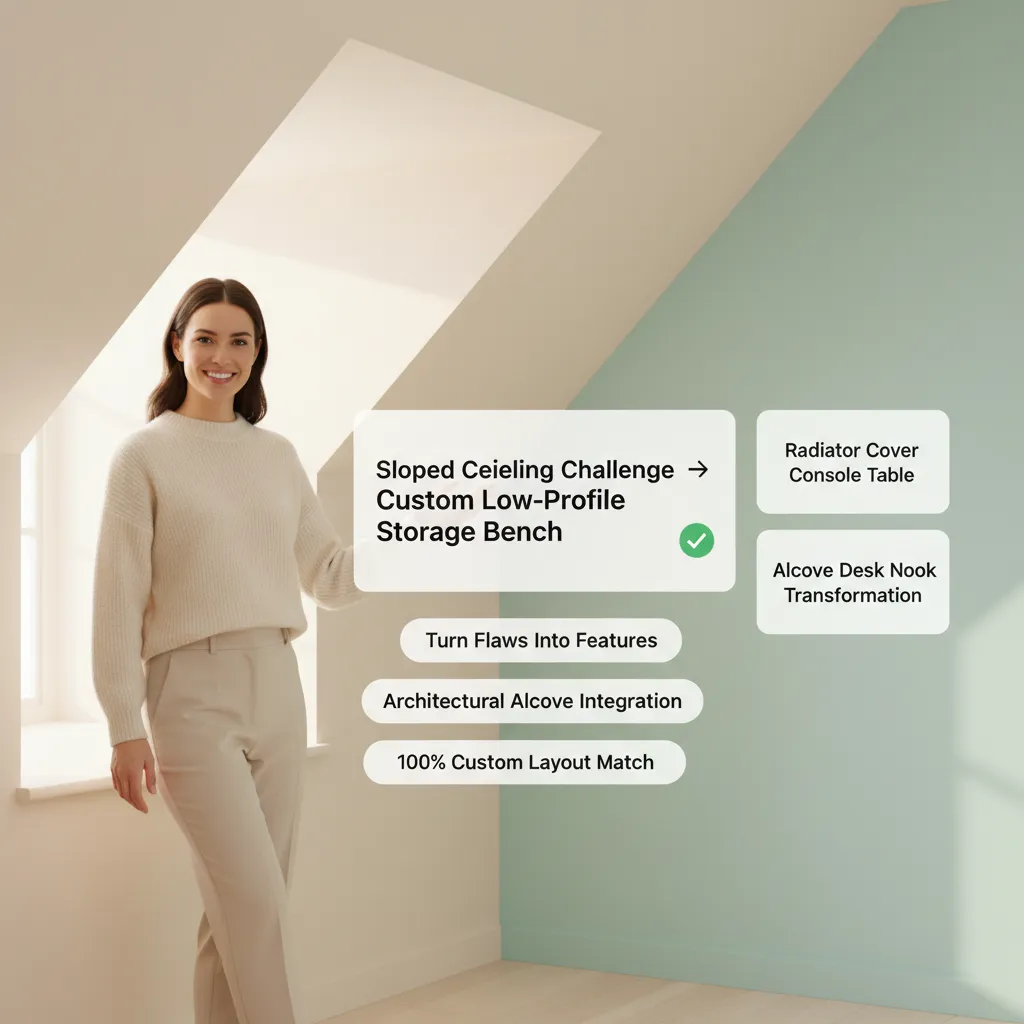
The notorious "bedroom chair"—that one spot where jacket piles, gym bags, and worn jeans continuously accumulate—is a symptom of missing drop zones.
Building an effective bedroom organization system relies on point-of-use storage—placing storage containers exactly where clutter naturally lands.
[ Worn-Once Clothing ] ===> Install Decorative Wall Hooks or Valet Stand
[ Dirty Laundry ]      ===> Place Open-Top Tilt Basket Inside Wardrobe Frame
[ Bags & Belts ]       ===> Mount Under-Shelf Hooks or Door-Hanging Racks
Implement these low-friction storage solutions:
- Establish a "Worn-Once" Zone: Mount two or three sleek wall hooks behind your bedroom door or set out a slender valet stand. This gives half-worn jeans and sweaters a neat home that keeps them off the floor.
- Use Open-Top Laundry Hampers: Ditch laundry hampers with complex lids or tight latches. An open-top canvas or woven basket makes tossing dirty socks away completely effortless.
- Incorporate Storage Benches: Place an upholstered storage bench at the foot of your bed to serve as a hidden landing spot for extra throw blankets, decorative pillows, or gym bags.
For expert guidance on space planning, furniture clearances, and interior ergonomics, consult the American Society of Interior Designers (ASID).
4. Clear Your Nightstand Without Losing the Things You Need Nearby
Your bedside table is the last thing you see before closing your eyes and the first thing you see when you wake up. When it is covered in loose charging cables, water glasses, books, and skincare tubs, your day starts and ends in visual clutter.
Streamlining your bedside table organization separates daily essentials from unnecessary visual noise.
- Stack of 6 Unread Books
- Loose Skincare Bottles
- Multiple Water Glasses
- Stray Glasses & Pills
| 1 Warm Table Lamp |
| 1 Small Ceramic Tray |
| 1 Active Book / Journal|
+-----------------------+
[ Hide rest in drawer ]
Bedside organization tactics:
- Enforce the "Top Surface Rule": Limit your nightstand top to three essential items: a warm table lamp, a glass of water, and a small tray for glasses or a watch.
- Conceal Charging Cables: Route phone chargers inside nightstand drawers or use weighted desktop cable grips along the back of the furniture leg so wires don't trail across the floor.
- Utilize Nightstands with Drawers: Swap basic pedestal tables for nightstand units featuring closed drawers. Store books, lip balms, and electronics behind closed drawer fronts out of sight.
5. Make Wardrobe Space Work Harder Before Buying More Storage
When clothes overflow onto bedroom chairs, your first impulse might be to buy a bulky new dresser. However, adding more furniture shrinks your floor space and makes the room feel cramped.
Before spending money on extra furniture, optimize your existing closet with smart wardrobe organization tools to double its usable capacity.
Maximize your closet layout:
- Switch to Thin Velvet Hangers: Replace thick plastic or wooden hangers with slim, non-slip velvet hangers. This simple update instantly frees up 30% of your hanging rod space.
- Add Drawer Organizer Bins: Use flexible fabric honeycomb dividers inside dresser drawers to keep socks, ties, and underwear neatly separated.
- Use Vertical Hanging Shelves: Install hanging fabric cubby units on closet rods to store folded sweaters, jeans, and handbags without needing extra floor furniture.
6. Use Under-Bed Storage for the Things You Don't Need Every Day
The spacious area beneath your bed frame is prime real estate for secondary storage. But without proper containers, it quickly becomes a dark dust-bin for forgotten junk.
Utilizing under-bed storage ideas properly allows you to hide seasonal belongings while keeping them clean and easy to retrieve.
[ Out-of-Season Clothing ]
            |
            +---> Pack into Zippered Fabric Storage Bags with Clear Tops
            +---> Add Cedar Blocks (Protects wool from moths & moisture)
            +---> Roll Smoothly on Caster-Wheeled Wooden Drawers
Smart under-bed storage guidelines:
- Use Caster-Wheeled Storage Boxes: Choose low-profile wooden or plastic drawers fitted with wheels so you can slide containers out smoothly without scratching hardwood floors.
- Store In Breathable Fabric Bags: Protect off-season coats, extra duvets, and guest bedding inside zippered canvas bags that let fabrics breathe while sealing out dust.
- Avoid Overpacking: Leave a few inches of clearance between container tops and your bed frame to maintain air circulation and prevent dust accumulation.
7. Reduce Surface Clutter by Rethinking Bedroom Furniture and Decor
Visual clutter isn't created by small items alone—it is also caused by oversized, heavy furniture and excessive tabletop decorations.
Achieving a calm, minimalist bedroom design comes down to curating your furniture footprint and giving displayed objects breathing room.
- 10 Small Tabletop Frames
- Overcrowded Open Shelves
- Bulky Armchairs in Corners
- 1 Large Framed Canvas Art Piece
- Wall-Mounted Swivel Lamp Sconces
- Clear 36-Inch Floor Corridors
Streamline your room aesthetic:
- Opt for Raised, Leggy Furniture: Pick dressers, nightstands, and bed frames with exposed, elevated legs. Seeing floorboards extend beneath furniture tricks the eye into perceiving a larger, airier space.
- Hang Wall-Mounted Sconces: Clear off valuable nightstand surfaces by mounting adjustable swing-arm light sconces directly onto the wall beside your headboard.
- Swap Small Collages for Large Art: Replace collections of tiny picture frames with one or two large, framed fine art prints to create a serene focal point.
If you are picking paint colors to complement light furniture layouts, explore our guide on choosing paint colors for adjoining rooms.
8. Find Storage for the Awkward Corners That Collect Random Items
Unused room alcoves, space behind doors, and tight wall corners frequently become dumping grounds for gym equipment, ironing boards, and extra bags.
Transforming dead space into functional small bedroom storage ideas keeps your main floor plan clear.
Capitalize on vertical space:
- Install Floating Wall Shelves: Mount slender floating shelves vertically along narrow wall alcoves to display books and ceramic art off the floor.
- Use Over-the-Door Organizers: Hang clear pocket organizers behind bedroom or closet doors to store footwear, hair tools, and beauty supplies out of sight.
- Incorporate Corner Blanket Racks: Place a tall, slender wooden ladder rack in an unused corner to hang throw blankets and scarves neatly.
9. Design a Small Bedroom That Doesn't Feel Packed With Furniture
When managing small bedroom organization, adding bulky wardrobes or extra chests of drawers can quickly make the space feel cramped and claustrophobic.
Designing a compact room relies on choosing multi-functional, space-saving furniture pieces that preserve clear walking corridors.
- Separate Large Dresser
- Bulky Armchairs
- Blocked Walkways
- Built-In Closet Drawer Inserts
- Wall-Mounted Drop-Leaf Vanity Desk
- Clear 30-Inch Walking Paths
Maximize small bedroom footprints:
- Invest in Hydraulic Storage Beds: Choose bed frames fitted with gas-strut hydraulic lift mechanisms that raise the mattress effortlessly, revealing massive hidden storage beneath the entire bed base.
- Use Floating Wall-Mounted Desks: Swap heavy standing desks or vanities for wall-mounted drop-leaf desks that fold flat against the drywall when not in use.
- Maintain 30-Inch Clearances: Ensure primary walking routes around the bed and in front of closets remain at least 30 to 36 inches wide for smooth movement.
If you are setting up a relaxing layout inside a compact room, read our guide on relaxing primary bedroom design to pair light palettes with cozy seating arrangements.

10. Create a Simple Reset Routine That Keeps Bedroom Clutter From Returning
No storage system will work long-term without a simple, repeatable maintenance routine to keep clutter from rebuilding.
Establishing a quick 2-minute evening reset routine embeds tidiness directly into your daily life without requiring hours of weekend cleaning.
  [ Step 1: Clear "The Chair" (Hang worn-once clothes on wall hooks) ]
                                 |
  [ Step 2: Reset Nightstands (Return water glasses to kitchen) ]
                                 |
  [ Step 3: Tuck Away Devices (Slide phone chargers into drawers) ]
                                 |
  [ Step 4: Make Bed Every Morning (Smooth duvet & align pillows) ]
Build a sustainable tidiness habit:
- The 2-Minute Evening Reset: Right before getting into bed, spend two minutes clearing flat surfaces. Take dirty dishes to the kitchen, hang up loose jackets, and tuck phone chargers into nightstand drawers.
- Make Your Bed Every Morning: Making your bed first thing in the morning instantly establishes a clean visual anchor that discourages you from tossing clothes onto the mattress later in the day.
- Execute a Monthly 10-Minute Closet Sweep: At the end of every month, spend ten minutes removing items that don't belong in the bedroom, donating unworn clothes, and wiping down drawer surfaces.
For official standards on residential safety, electrical safety, and cord management guidelines, consult the National Fire Protection Association (NFPA).
Effortlessly Craft Your Dream Clutter-Free Bedroom
Why spend endless weekends struggling with tape measures, buying organizers that don't fit, or stressing over how to arrange your bedroom for maximum storage?
Designing a serene, organized retreat should be an exciting, enjoyable process. When building or updating your home, trying to figure out how wardrobes, bed frames, nightstands, and storage benches will fit into your floor plan can feel like a stressful guessing game.
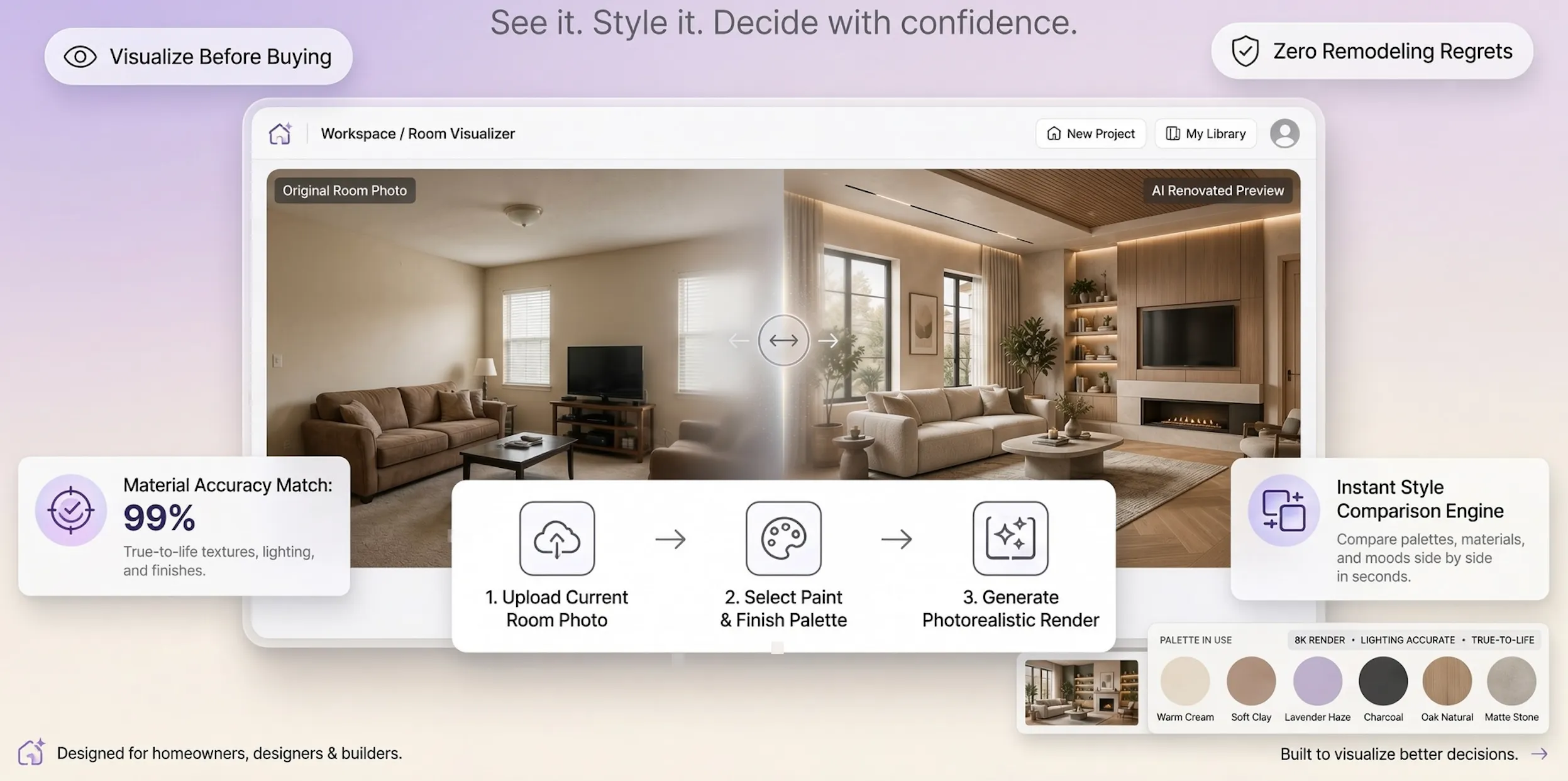
With DesignHome, you don't need to hire expensive interior designers or learn complicated professional CAD software. You can simply upload a picture or floor plan of your room to test layout ideas, experiment with built-in storage configurations, compare furniture footprints, and unlock custom spatial possibilities tailored to your exact floor plan.
Eliminate organizational guesswork—visualize, refine, and bring your complete clutter-free bedroom vision to life with total confidence before buying a single piece of furniture.
External Resources & Industry Standards
To explore deeper technical insights into home space planning, trade safety, and building codes, consult these authoritative industry resources:
- American Society of Interior Designers (ASID) – Professional standards for residential space planning, ergonomic furniture layouts, and visual organization.
- Furniture Industry Research Association (FIRA) – Comprehensive standards for furniture durability, storage safety, and upholstery care.
- National Fire Protection Association (NFPA) – Residential electrical safety standards, cord management safety, and outlet overload prevention.
- Paint Quality Institute – Expert advice on selecting wall paint sheens, washable finishes, and light-reflecting neutrals.
Frequently Asked Questions About Bedroom Decluttering & Storage
How do I stop clothes from piling up on my bedroom chair?
Install two or three sleek wall hooks behind your bedroom door or set out a slender valet stand for "worn-once" items like jackets and jeans. Keep an open-top laundry hamper right next to your closet so dirty clothes take zero effort to throw away.
What is the most effective way to start decluttering a messy bedroom?
Start by clearing a single high-visibility area, such as your nightstand or the top of your dresser. Work by category (e.g., sorting only shoes or tops) using the 4-Box Method: Keep, Donate, Relocate, and Discard.
How do I maximize closet storage in a small bedroom?
Switch to ultra-thin non-slip velvet hangers to reclaim 30% of your closet rod space, install hanging double closet rods, place fabric organizer bins inside drawers, and use vertical hanging shelf units for folded sweaters.
Is under-bed storage a good idea for a clutter-free bedroom?
Yes, provided you use low-profile zippered fabric bags or caster-wheeled wooden drawers to keep items dust-free. Under-bed storage is ideal for out-of-season clothing, spare bedding, and guest linens.
How can I make my nightstand look less cluttered?
Enforce the "Top Surface Rule": limit tabletop items to a lamp, a glass of water, and a small tray for glasses or a watch. Store books, lip balms, and charging cables inside closed nightstand drawers.
What type of bed is best for adding extra bedroom storage?
Hydraulic lift-up storage beds are the best option. They feature gas-strut mechanisms that lift the mattress effortlessly, revealing a massive hidden storage compartment beneath the entire mattress base without taking up extra floor space.


