

You wake up on a cold morning, open your eyes, and instantly feel your shoulders tense up.
Your eyes hit a tangled nest of phone chargers on a tiny nightstand, a pile of laundry resting over a chair, and a harsh overhead light fixture casting flat shadows across plain drywall. You spend your entire day rushing through high-stress demands, yet the one room in your home meant to restore your energy feels like an uninspired storage locker.
A primary bedroom shouldn't just be a place where you crash for seven hours of sleep—it should serve as your private sanctuary.
Transforming your space into an elegant, relaxing primary bedroom design doesn't require gutting your walls or spending a fortune on luxury hotels. By mastering light layers, balancing tactile textures, and arranging furniture around human movement, you can build a restorative retreat that rejuvenates you every day. Here is how to map, style, and execute your dream bedroom.
1. What Makes a Primary Bedroom Feel Like a Retreat?
Before buying velvet throw pillows or ordering expensive bed frames, stop and identify what actually makes a room feel restorative.
A true retreat balances sensory comfort with physical simplicity. When your eyes process visual clutter, loud wall colors, and crowded furniture, your brain stays in a subtle state of alertness, making it difficult to fully unwind.
[ Visual Calm ]    ===> Muted Color Palette + Concealed Cables + Uncluttered Surfaces
[ Tactile Luxury ]  ===> Layered Natural Linens + Plush Wool Rugs + Upholstered Edges
[ Spatial Harmony ] ===> Wide Walking Paths + Dedicated Relaxation Nooks + Dim Lighting
Focus on these essential atmosphere pillars:
- Subdued Visual Noise: Keep flat surfaces—like nightstands and dressers—free of daily clutter, loose mail, and exposed electronics.
- Tactile Richness: Combine contrasting physical materials like washed linen, brushed velvet, natural oak, and chunky wool to create depth without relying on loud patterns.
- Controllable Environment: Incorporate light-blocking drapes, dimmable ambient lighting, and temperature-regulating bedding to control your sleeping environment completely.
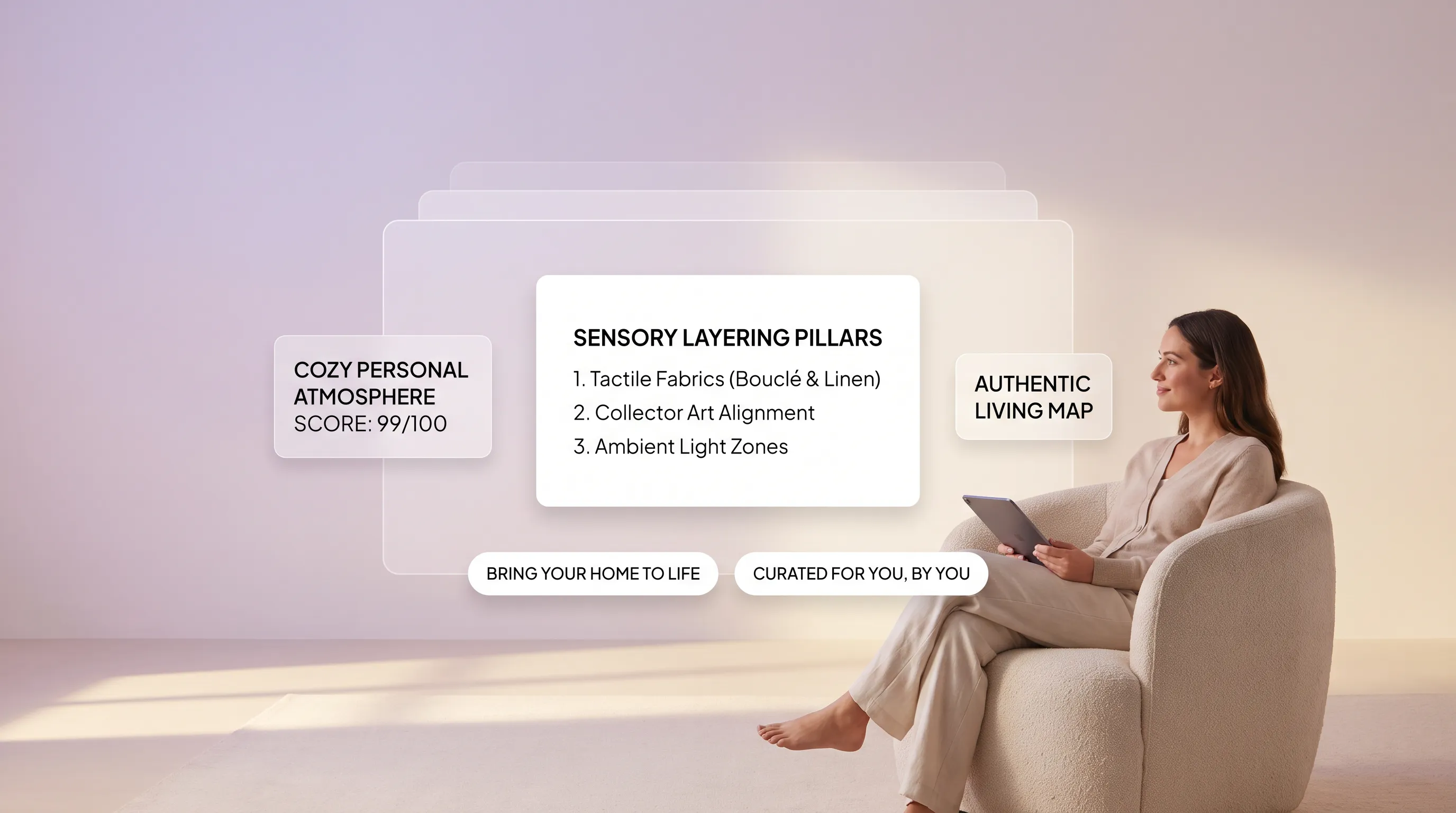
2. Choose a Bedroom Color Palette That Feels Calm Without Looking Flat
One of the biggest mistakes homeowners make when searching for primary bedroom color ideas is assuming a calming room must be painted stark, clinical white.
A plain, unpigmented white room under cold daylight often feels cold and unfinished rather than peaceful. The secret to a sophisticated, warm neutral bedroom lies in subtle tonal contrast.
Follow these color harmony rules:
- Select Warm Undertones: Choose soft off-whites, warm greiges, or muted earthy tones with yellow, green, or pink undertones. Warm undertones absorb light, creating a cozy glow after dark.
- Paint Baseboards to Match: Paint your trim, baseboards, and window casings in the same color as your walls, using a satin or eggshell sheen. Eliminating stark white trim breaks down harsh boundary lines, making the room feel larger.
- Add Organic Contrast: Balance light walls with natural wood dressers, dark metal curtain rods, or deep-toned velvet cushions so the room feels grounded.
If you are evaluating how different paint shades react to sunlight across adjoining spaces, read our guide on choosing paint colors for adjoining rooms.
3. Layer Bedroom Lighting for Quiet Evenings and Comfortable Mornings
Relying on a single, central ceiling light fixture is the ultimate mood killer. Flipping on a harsh overhead bulb when getting out of bed or reading at night startles your nervous system.
A well-designed ambient bedroom lighting scheme relies on three distinct layers of light positioned at different heights across the room.
   Layer 1: Overhead Ambient ===> Dimmable Flush-Mount or Pendant (Set Low)
   Layer 2: Eye-Level Task   ===> Bedside Table Lamps or Swivel Wall Sconces
   Layer 3: Accent Warmth    ===> Under-Bed LED Strips or Dresser Accent Lamps
Build a balanced 3-tier lighting plan:
- Dimmable Overhead Fixture: Install a central drum pendant or chandelier fitted with warm LED bulbs, and keep it connected to a wall dimmer switch.
- Eye-Level Bedside Sconces: Mount adjustable swing-arm sconces or place warm table lamps on both sides of the bed. Position the bottom of the lampshade at eye level when sitting upright in bed.
- Warm Color Temperature: Use LED bulbs strictly rated between 2700K and 3000K (Kelvin). Warm white light mimics sunset, signaling your brain to produce melatonin for restful sleep.
For official technical standards on residential bulb efficiency, color rendering indices, and lighting placement, consult the Illuminating Engineering Society (IES).
4. Make the Bed the Comfortable Focal Point of the Room
Your bed is the visual anchor and functional heart of your entire bedroom. If your bed looks messy or uncomfortable, the rest of the room will fail to feel like a retreat.
Invest in a substantial headboard and layered bedding to turn your bed into an inviting focal point.
[ Mattress Base ] ===> Fitted Sheet ===> Flat Sheet ===> Lightweight Quilt ===> Folded Duvet
                                                                                   |
                                                                [ Accent Pillows & Bolster ]
Elevate your bedding arrangement:
- Incorporate an Upholstered Headboard: Choose headboards wrapped in textured linen, bouclé, or velvet. Upholstered headboards provide comfortable back support for late-night reading and absorb unwanted echoes.
- Layer Textiles for Bedding: Combine a crisp cotton fitted sheet with a breathable linen quilt. Fold a plush down-alternative duvet across the foot of the bed to add volume and inviting texture.
- Scale Pillow Sizes: Place two large Euro shams against the headboard, followed by two standard sleeping pillows, and finish with a single lumbar accent pillow.
5. Mix Soft Textures to Make the Bedroom Feel Warm and Inviting
If every surface in your room is hard, smooth, or glossy, your space will feel sterile and cold.
Tactile diversity is what makes a cozy primary bedroom feel rich and high-end. Combining contrasting materials adds visual warmth without introducing chaotic patterns.
Texture layering rules:
- Anchor with a Soft Rug: Lay a thick wool area rug beneath the bed, ensuring it extends at least 24 to 36 inches beyond the sides and foot of the frame.
- Hang Floor-to-Ceiling Drapes: Mount curtain rods right at the ceiling line and let heavy linen or velvet curtains pool slightly on the floor to frame your windows elegantly.
- Mix Matte and Woven Finishes: Pair smooth leather accent chairs with chunky wool throws and natural rattan baskets to create a subtle contrast.
6. Arrange Primary Bedroom Furniture Around Comfort and Easy Movement
A cluttered, cramped floor plan creates daily friction. If you have to squeeze past table corners or duck around clothing racks to get to your bathroom, your layout is working against you.
Executing a functional primary bedroom layout requires mapping out clear walking paths and respecting spatial clearances.
   [ Bathroom Entrance ] =====( 36" Clear Runway )=====> [ Primary Bed ]
                                                              |
                                                     ( 30" Side Clearance )
                                                              |
                                                              v
                                                     [ Dresser / Wardrobe ]
Essential spatial clearance rules:
- Bed Clearance: Leave at least 30 to 36 inches of open space around both sides and the foot of the bed so you can make the bed and move around effortlessly.
- Dresser & Drawer Clearance: Allow 36 to 42 inches in front of dressers and closets so drawers slide open fully without hitting surrounding furniture.
- Position Nightstands to Match Bed Height: Choose nightstands that sit at the exact same height as the top of your mattress (or within 2 inches), making it easy to reach drinks, books, or glasses in the dark.
7. Create a Small Sitting Area Without Turning the Bedroom Into a Living Room
If your floor plan permits, carving out a dedicated sitting zone provides a quiet secondary sanctuary where you can sip morning coffee, journal, or read without sitting on top of your made bed.
You don't need a massive footprint to build an elegant primary bedroom sitting area—a single chair and table setup works wonders.
   [ Unused Window Corner ]
             |
             +---> [ Deep Velvet Swivel Chair or Armchair ]
             +---> [ Small Round Drink C-Table ]
             +---> [ Height-Adjustable Floor Reading Lamp ]
             |
             v
   [ Dedicated Private Reading Nook ]
How to assemble a bedroom sitting nook:
- Select a Single Accent Armchair: Place a deep-seated wingback or swivel chair in a sunlit corner facing inward toward the room or outward toward a window view.
- Add a Slender Drink Perch: Set a small marble or wood C-table alongside the chair to hold coffee cups, books, or glasses.
- Incorporate Window Benches: If space is tight along walls, place a low upholstered bench at the foot of your bed to serve as a perch for putting on shoes.
8. Use Curtains, Rugs, and Window Treatments to Soften the Room
Hardwood floors and bare glass windows reflect sound waves, creating hollow echoes that prevent a room from feeling cozy and intimate.
Window treatments and area rugs act as acoustic insulators, softening environmental noise and regulating light levels.
Finishing touches for window and floor layouts:
- Double-Layer Window Treatments: Pair light-filtering woven wood shades with blackout-lined drapery panels. This allows soft daylight during the afternoon while ensuring total darkness for night sleep.
- Size Your Rug Correctly: For a Queen bed, choose an 8x10 ft rug; for a King bed, select a 9x12 ft rug. Place the rug perpendicular to the bed, sliding it under the bottom two-thirds of the frame.
- Extend Curtain Rod Width: Extend curtain rods 8 to 12 inches wider than the window frame on both sides so open curtains don't block natural daylight.
For guidance on fabric safety, flame retardancy, and sustainable textile certifications, visit the Sustainable Furnishings Council (SFC).
9. Add Personal Details Without Making the Bedroom Feel Busy
A primary bedroom should reflect your personal identity and history, but displaying dozens of small souvenirs and tiny picture frames creates visual chaos.
Curating elegant bedroom decor relies on selective display—choosing a few meaningful, large-scale items over scattered trinkets.
- Scattered Souvenirs on Dresser
- Overflowing Books on Nightstands
- 2 Ceramic Vases with Fresh Greenery
- 1 Woven Tray Holding Essential Oils
Smart decorative curation rules:
- Hang Large-Scale Artwork: Replace small photo collages with one or two large, framed fine art prints hung above the headboard or main dresser. Center artwork 57 to 60 inches from the floor.
- Incorporate Natural Elements: Place a simple ceramic vase filled with fresh eucalyptus or olive branches on a dresser to add organic life.
- Contain Small Items on Trays: Group perfumes, jewelry boxes, and daily accessories onto a sleek marble or wooden tray to turn loose clutter into an intentional display.

10. Design a Primary Bedroom That Works for Two Different Routines
When two people share a bedroom, differing sleep schedules, reading habits, and morning routines can lead to daily friction if the space isn't planned thoughtfully.
Designing a comfortable space for couples requires providing independent storage and lighting controls on both sides of the bed.
- Dedicated Nightstand + Drawers
- Integrated USB Power Dock
- Dedicated Nightstand + Drawers
- Integrated USB Power Dock
Features for a shared room:
- Dedicated Dual Nightstands: Provide each partner with their own nightstand equipped with closed drawers to hide personal items, charging cables, and books out of sight.
- Separate Bedside Reading Lights: Install individual wall-mounted reading sconces with directional shades so one partner can read without shining light across their partner's eyes.
- Discreet Power Charging Stations: Route charging cords inside nightstand drawers or use low-profile wireless charging pads to power devices overnight without messy wires trailing across the floor.
11. Make a Large Primary Bedroom Feel Intimate Instead of Empty
While having a spacious bedroom is a luxury, an oversized room with a small bed pushed against one wall can feel cold, cavernous, and uninviting.
Making a large primary bedroom feel cozy requires grouping furniture into distinct, functional zones using rugs and furniture placement.
[ Primary Sleeping Zone ] ===> Anchored by King Bed + 9x12 Rug + Nightstands
                                     |
                       ( Open Transition Space - 48" Clearance )
                                     |
[ Private Sitting Zone  ] ===> Anchored by 2 Armchairs + Small Rug + Floor Lamp
Strategies for large bedrooms:
- Anchor Zones with Multiple Rugs: Use a large 9x12 area rug to anchor the sleeping zone, and place a separate 5x7 rug beneath a sitting chair arrangement to define a secondary zone.
- Incorporate a Foot-of-Bed Bench: Place a wide upholstered bench or leather trunk at the foot of the bed to visually extend the bed frame and bridge open floor space.
- Use Deeper Wall Colors: In large, high-ceilinged rooms, consider deeper paint shades—like warm taupe, slate blue, or muted charcoal—to pull the walls inward visually and create an intimate atmosphere.
12. Pull Your Primary Bedroom Design Together Before Buying Anything Else
Buying a bed frame, nightstands, rug, and drapes piecemeal without a master plan often leads to mismatched wood tones, conflicting fabric textures, and spatial errors.
To avoid costly return fees and buyer's remorse, evaluate your entire room layout digitally before making physical purchases.
  [ Step 1: Measure Total Room Dimensions & Door Clearances ]
                              |
  [ Step 2: Establish Master Color Palette & Finish Rules ]
                              |
  [ Step 3: Test Layouts, Furniture & Lighting in Software ]
                              |
  [ Step 4: Order Physical Fabric & Paint Samples ]
                              |
  [ Step 5: Purchase Core Furniture with Total Confidence ]
Follow this risk-reduction planning sequence:
- Measure Physical Footprints: Record total wall lengths, window casing clearances, and door swing gaps before shopping for furniture.
- Test Layouts Digitally: Use room design software to test bed placements, verify nightstand clearances, and map traffic paths before purchasing.
- Order Material Swatches: Review paint chips, fabric swatches, and wood finish samples together inside your actual bedroom under natural daylight and evening lamps.
Effortlessly Craft Your Ideal Relaxing Bedroom
Why spend hours struggling with tape measures or stressing over whether your new bed frame, rug, and nightstands will fit together in your space?
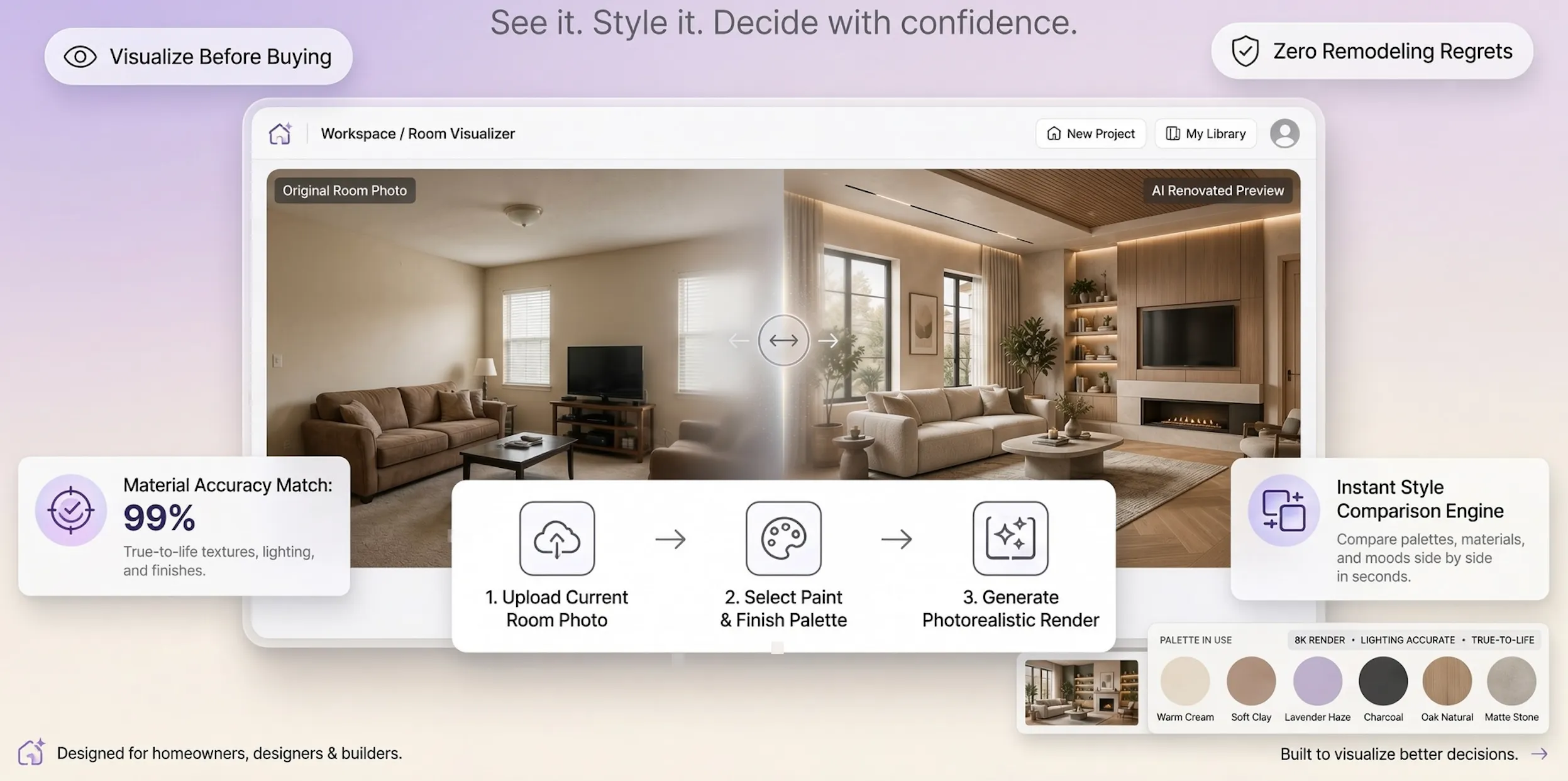
Designing a peaceful retreat should be an exciting, enjoyable experience. Whether you want to experiment with floating bed layouts, test floor plan variations, or preview custom color combinations, DesignHome makes it seamless.
With DesignHome, you don't need to learn complicated professional CAD software or deal with steep design learning curves. You can simply upload a picture or floor plan of your room to test layout ideas, experiment with cozy furniture arrangements, compare material finishes, and unlock custom spatial possibilities tailored to your exact floor plan.
Eliminate design guesswork—visualize, refine, and bring your complete relaxing bedroom vision to life with total confidence before buying a single piece of furniture.
External Resources & Industry Standards
To explore deeper technical insights into home space planning, trade safety, and building codes, consult these authoritative industry resources:
- American Society of Interior Designers (ASID) – Professional standards for residential space planning, ergonomic furniture layouts, and visual organization.
- Illuminating Engineering Society (IES) – Residential lighting standards, bulb warmth ratings, and task lighting guidelines.
- Sustainable Furnishings Council (SFC) – Official guidelines for eco-friendly, non-toxic natural textiles, low-VOC furniture finishes, and sustainable wood.
- Paint Quality Institute – Expert advice on selecting wall paint sheens, washable finishes, and light-reflecting neutrals.
- National Fire Protection Association (NFPA) – Residential electrical safety codes, cord management safety, and smoke detector placement guidelines.
Frequently Asked Questions About Primary Bedroom Design
What paint colors make a primary bedroom feel most relaxing?
Soft off-whites, warm greiges, muted sage greens, slate blues, and gentle taupes with warm undertones are the most relaxing colors. These shades absorb glare and create a soothing, cocoon-like atmosphere after dark. Avoid bright primaries, stark unpigmented whites, or intense neon shades.
How big should an area rug be under a King-sized bed?
A King-sized bed requires a 9x12 foot area rug (or an 8x10 foot rug minimum for compact rooms). Place the rug perpendicular to the bed frame, sliding it under the bottom two-thirds of the mattress so it extends at least 24 to 36 inches beyond the sides and foot of the bed.
What is the ideal nightstand height relative to the mattress?
Your nightstand top should sit at the exact same height as the top of your mattress, or within 2 inches lower/higher. This ergonomic alignment allows you to reach for glasses, water, or books easily without straining your shoulders while lying down.
How do I make a small primary bedroom feel larger without gutting it?
Paint walls, baseboards, and door trim in the same warm neutral shade, mount curtain rods at the ceiling line with floor-length drapes, choose raised bed frames with exposed legs to reveal open floor space, and hang a large mirror opposite a window to bounce natural daylight.
How high should a light fixture be hung over a bedroom floor?
A central ceiling chandelier or pendant light should sit with its bottom edge at least 7 feet above the bare floor to allow clear walking headroom. If the fixture hangs directly over the foot of the bed, it can sit slightly lower (around 6.5 to 7 feet).
How can I stop phone chargers and cords from cluttering my nightstands?
Use nightstands with built-in hidden power drawers, route charging cables through furniture grommets, use weighted desktop cable grips, or install wall outlets with integrated USB/USB-C charging ports directly behind your nightstands.


