

You save dozens of stunning living rooms on Pinterest, double-tap architectural tours on Instagram, and bookmark digital mood boards online. But the moment you look at your own blank room, confusion sets in.
The truth is, most people don't struggle because they lack taste. They struggle because they try to force themselves into a rigid aesthetic label without knowing whether that aesthetic fits their actual architecture, natural lighting, or daily routine.
Learning how to find your interior design style isn't about taking a superficial interior design style quiz or memorizing a catalog. It’s about auditing your real visual preferences, understanding your emotional goals, and validating how those choices look inside your specific space before spending money on furniture.

Start With What You Already Love
Instead of asking "What is my interior design style?", start by examining the visual evidence you’ve already collected. Look through your saved photos, bookmarked listings, or physical clippings.
When you analyze a collection of saved images using basic visual grouping principles, patterns emerge instantly. Your brain naturally gravitates toward specific shapes, textures, and spatial density.
To discover your home decor style, run a quick 3-point visual audit on your saved images:
- Line and Geometry: Do your favorite rooms feature sharp, clean rectangular silhouettes, or do they lean toward soft arches, curved sofas, and organic stone edges?
- Surface Density: Are the surfaces clear and sparse, or are the walls layered with framed art, bookshelves, and rich textiles?
- Visual Weight: Do the spaces feel grounded by heavy dark woods and velvet, or lightened by pale oak, linen, and slim metal legs?
Once you spot these repeating patterns across your bookmarks, you stop guessing how to find your interior design style and start seeing your natural visual baseline.
Look at the Colors You Keep Choosing
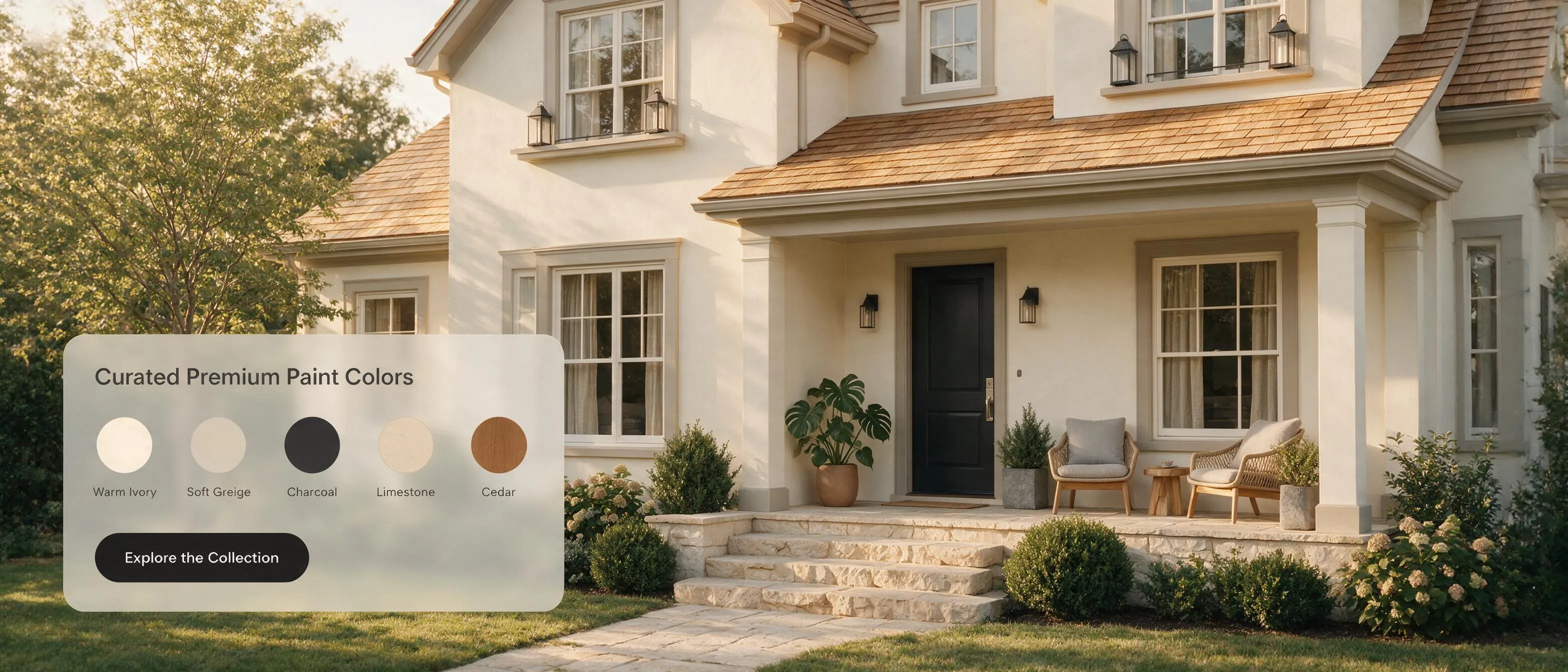
Color is the fastest indicator of your personal home color style. Most people naturally lean toward one of three primary color temperature zones without consciously planning it:
[ Natural Earthy ] ------------ [ High-Contrast Monochrome ] ------------ [ Deep Jewel Tones ] Warm terracotta, olive, Crisp whites, charcoal steel, Navy, emerald velvet, and pale sand tones. and matte black accents. and rich cognac leather.
When identifying your favorite interior colors, look at your wardrobe and everyday accessories alongside your saved interior photos.
If your closet is filled with neutral creams, soft linen shirts, and warm leather, forcing high-gloss chrome and neon accents into your living room will create immediate visual friction. Your home should reflect the same color temperature that makes you feel comfortable in daily life.
Pay Attention to the Furniture You Prefer
Furniture silhouettes define a room's structural identity faster than wall paint or rugs ever can. To narrow down your interior furniture styles, observe the specific structural details of the pieces that catch your attention:
- Leg Profiles: Tapered wooden legs signal mid-century leanings; thick plinth bases signal contemporary organic; carved legs point toward classic traditional; while floating wall mounts indicate modern minimalism.
- Upholstery Structure: Tailored, tight-back sofas with crisp welt trim appeal to structured, classic tastes. Deep, oversized sectional cushions with exposed seams appeal to casual, lounge-focused living.
- Material Combinations: Pay attention to how materials pair together. Do you prefer raw wood paired with brushed black steel, or polished marble paired with warm brass accents?
Identifying these material pairings helps you pinpoint your furniture style without getting bogged down in arbitrary style labels.
Decide How You Want Your Home to Feel
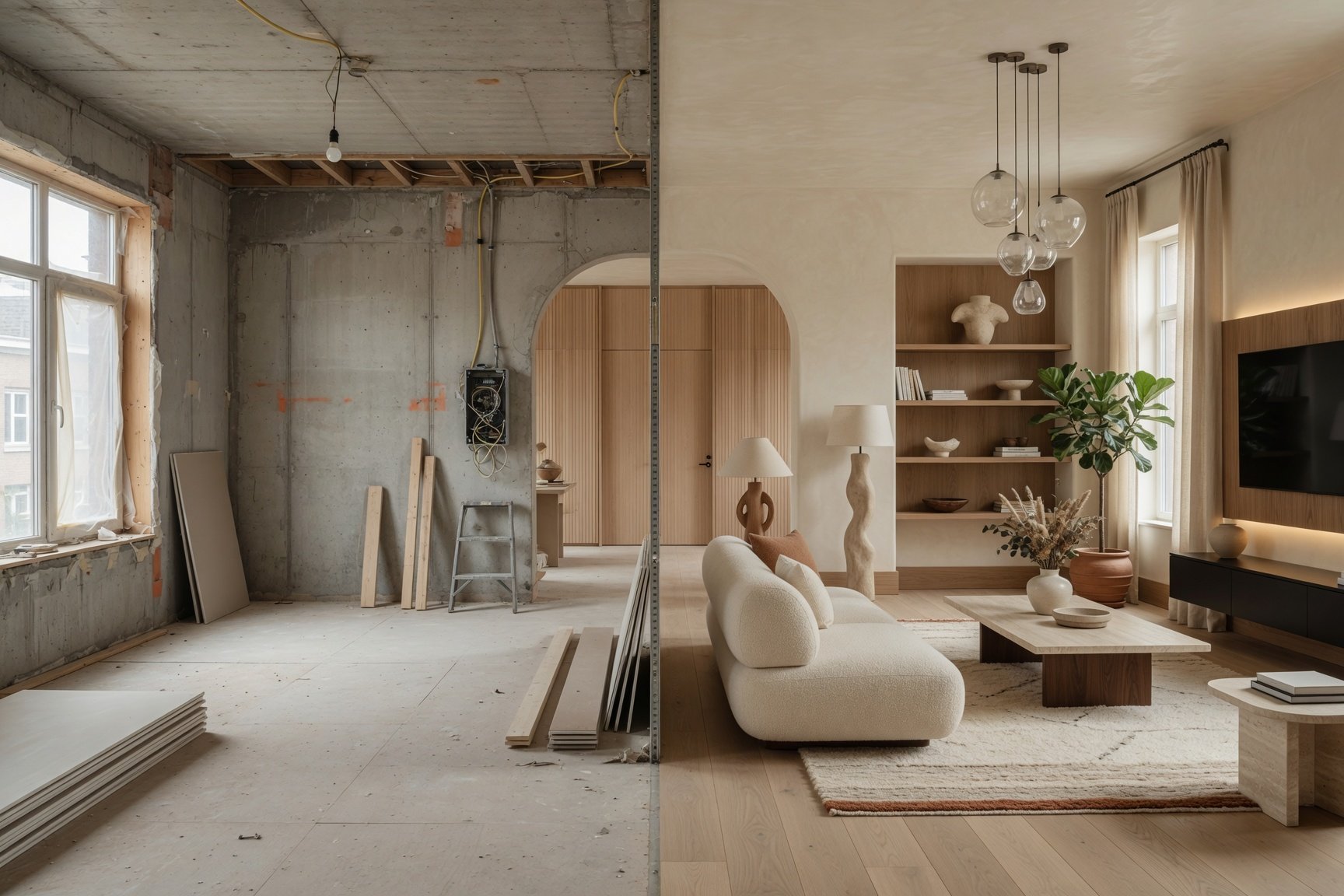
A space can look visually striking in a photograph while feeling completely wrong to live in. Before selecting a home interior style, define the emotional job you need the room to perform.
Match your emotional goals directly to spatial attributes:
- If you want "Calm & Restorative": Prioritize low visual noise, hidden storage, monochromatic palettes, and touchable natural fabrics like bouclé and washed linen.
- If you want "Warm & Inviting": Focus on warm wood tones, layering warm ambient lighting, plush seating, and rich, grounding color palettes.
- If you want "Energetic & Creative": Lean into high-contrast color pairings, mixed patterns, gallery walls, and eclectic furniture groupings.
Designing for emotion first ensures that your interior design preferences yield a home that feels as good to live in as it looks on a screen.
Understand the Most Popular Interior Design Styles
To avoid choice paralysis, you don't need to study dozens of obscure sub-genres. Instead, summarize interior design styles into four foundational visual pillars:
Modern & Contemporary
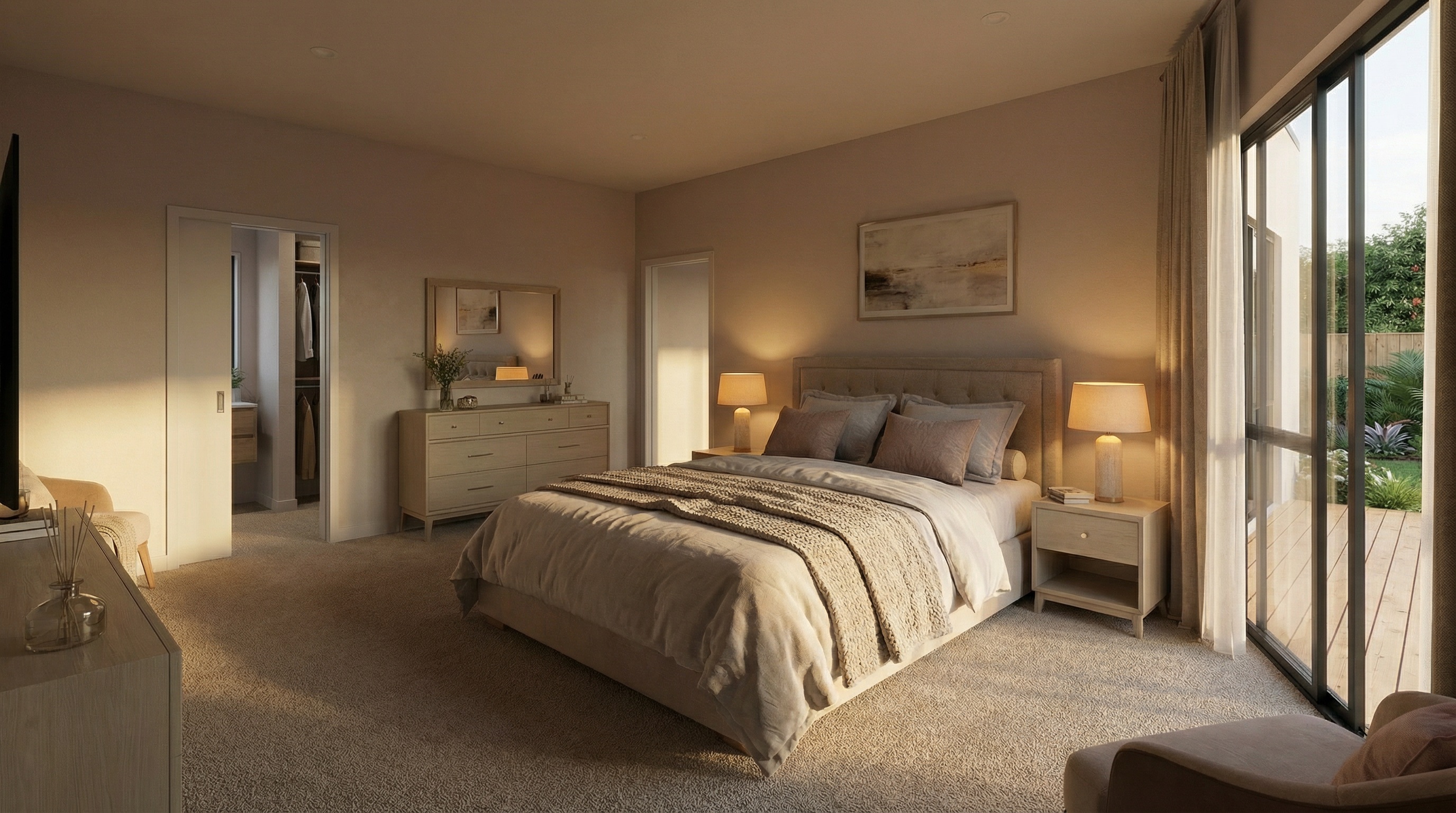
Focuses on clean horizontal lines, low-profile furniture, unadorned windows, and structural honesty. While Modern specifically refers to mid-20th-century design (featuring tapered woods and molded plywood), Contemporary reflects current movement—currently favoring soft curves, warm neutrals, and organic stone textures.
Traditional & Classic
Built on symmetry, architectural molding, rich dark woods, framed oil artwork, and classic upholstery detailing like tufting and welted edges. This style feels grounded, timeless, and rooted in historical comfort.
Minimalist & Organic Modern
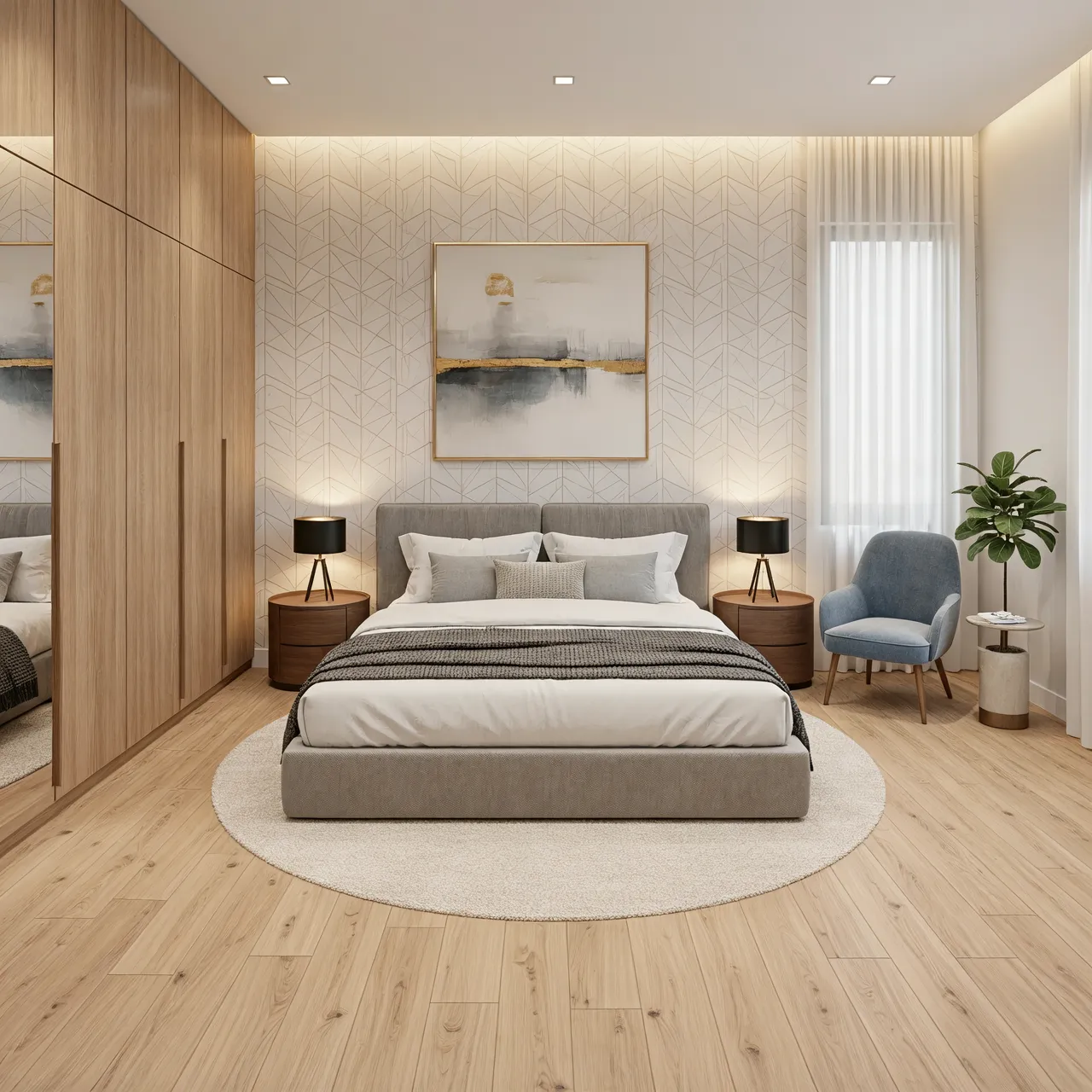
Prioritizes extreme spatial editing, bare surfaces, hidden storage, and raw natural textures like plaster, pale oak, and travertine. It relies on architectural form and sunlight rather than decorative accessories.
Transitional & Eclectic
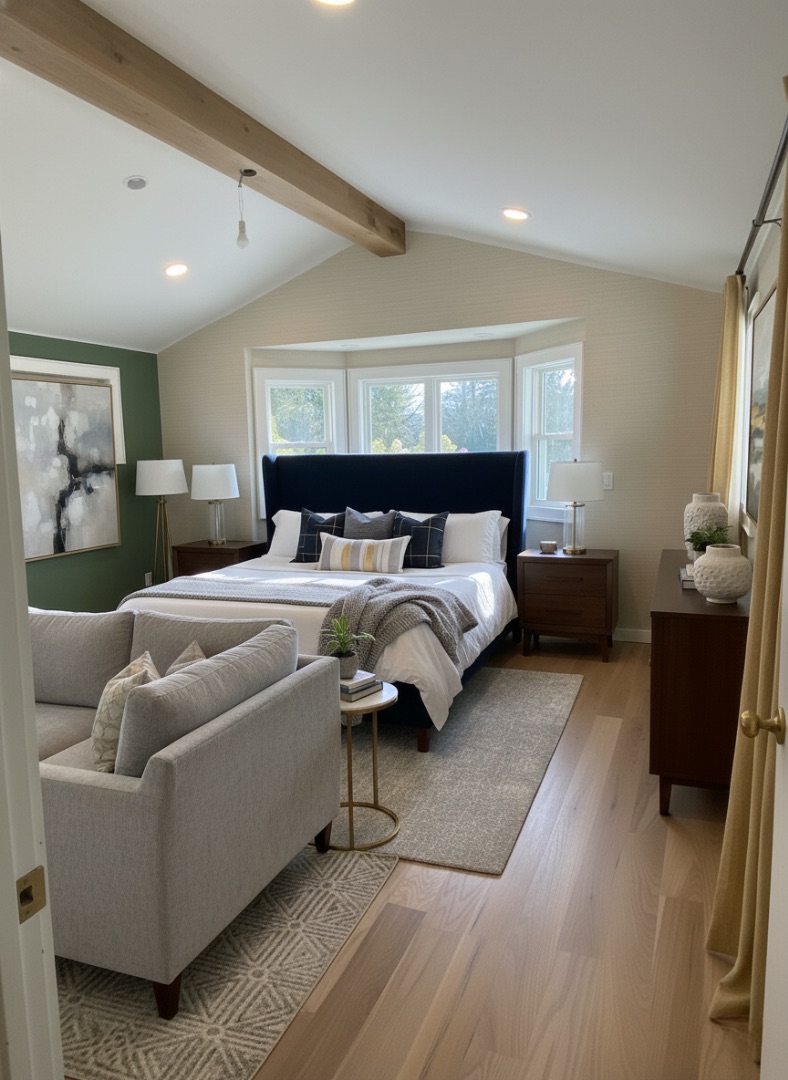
Combines structural elements from multiple eras. Transitional design bridges classic traditional framing with sleek modern finishes, while Eclectic styling purposefully layers contrasting vintage, global, and contemporary accents into a cohesive layout.
Compare Styles Side by Side
If you're caught between multiple aesthetics, comparing their core attributes side by side makes the differences clear. Use this diagnostic interior design style guide matrix to evaluate which baseline matches your home:
| Aesthetic Category | Silhouette & Lines | Dominant Materials | Color Palette | Room Atmosphere |
|---|---|---|---|---|
| Modern / Contemporary | Clean, low-profile, curved edges | Concrete, glass, polished metal, warm oak | Neutral bases, black accents, earthy pops | Sleek, architectural, structured |
| Traditional | Symmetrical, carved, detailed molding | Mahogany, walnut, velvet, marble, brass | Rich navy, burgundy, cream, deep greens | Grounded, formal, cozy |
| Minimalist / Organic | Low visual clutter, simple geometric shapes | Travertine, linen, raw plaster, pale woods | Warm whites, taupe, sand, soft grey | Serene, open, clutter-free |
| Transitional | Balanced blend of straight lines and soft curves | Brushed nickel, tailored upholstery, oak | Warm grays, off-white, muted blue/sage | Elegant, comfortable, flexible |
Don't Force Yourself Into One Style
One of the biggest mistakes homeowners make when trying to discover your interior design style is feeling forced to choose a single label. Real homes rarely look good when styled like a single retail showroom catalog.
If you love crisp modern lines but live in a classic home with historic crown molding, you don't have to pick one over the other. You can balance successfully blending multiple design styles using the 80/20 Rule:
- Establish an 80% Baseline: Choose one primary style for your main architectural elements, flooring, and large furniture anchors (like your sectional or dining table).
- Layer a 20% Accent: Use your secondary favorite style for accent lighting, side chairs, artwork, and decorative accessories.
Blending styles creates a layered, personal home that feels authentically lived-in rather than manufactured.
Test Your Style With a Real Room
A design style that looks breathtaking in a high-ceilinged loft with floor-to-ceiling windows can fail completely inside a standard apartment layout with 8-foot ceilings and limited natural light.
Before buying furniture, run a spatial check to evaluate how your chosen aesthetic aligns with your room's physical footprint:
- Ceiling Height & Light: Dark, moody traditional styles thrive in rooms with high ceilings or abundant natural light. Compact spaces with lower ceilings often benefit from low-profile contemporary or minimalist furniture that lets light pass through.
- Architectural Trim: If your space features heavy historic trim, lean into transitional pieces that honor the architecture while keeping furniture lines clean.
- Traffic Pathways: Ensure the scale of your preferred furniture leaves clear 36-inch walking paths across your floor layout. It helps to test furniture scale in your room before committing.
Translating visual ideas into realistic spatial plans requires testing furniture scale and light before placing orders.
See Different Styles in Your Own Space (Beyond Generic AI Renders)
If you have tried using popular online AI interior design tools, you have likely run into the same frustrating wall: generic, ugly renders that look like weird cartoon dreams rather than buildable rooms. Floating chair legs, impossible light angles, and bizarre furniture proportions make most generated images completely useless for real-world decision-making.
DesignHome Synthesis™ is built to move far beyond advanced AI home design platforms. It combines spatial intelligence with true architectural proportions, giving you a powerful interior design tool designed for real execution.
[ Step 1: Upload Room Photo OR Type Your Idea ] | v [ DesignHome Synthesis Intelligence ] | v [ Hit Generate — Crafts Ready-For-Buildup 3D Interior ]
- Step 1: Upload a quick photo of your current interior or simply type out your vision in plain language.
- Hit Generate: The system processes your exact room scale and structural bounds, creating a photorealistic, beautifully styled interior that you will actually love and can actually build.
- Bookmark & Refine: Save your favorite visual builds, swap furniture styles on the fly, and test how different design directions look inside your exact room envelope before buying a single piece.

Choose the Style That Fits Your Lifestyle
The best interior design style isn't the one that gets the most likes online—it's the one that supports your daily living habits. Evaluate your candidate styles against real-life maintenance requirements:
- Pets and Kids: Ultra-minimalist spaces with pale linen sofas and raw plaster walls require heavy maintenance in high-traffic family homes. Consider transitional setups featuring performance fabrics, warm oak surfaces, and built-in storage instead. When selecting durable furniture for your lifestyle, look for textured weaves that absorb daily wear gracefully.
- Work From Home Routines: If your living area doubles as an office during the day, pick a style that incorporates hidden storage systems so work gear vanishes before dinner.
- Maintenance Bandwidth: High-gloss chrome, glass tabletops, and velvet fabrics show fingerprints, dust, and pet hair quickly. Matte woods, textured weaves, and honed stone surfaces age gracefully under daily use.
Turn Your Style Into a Room You Actually Love
Once you've identified your aesthetic preferences, transition from style discovery to execution using a structured rollout process:
- Lock Your Foundation: Choose your primary baseline style (80%) for major anchors—flooring, wall treatments, and key seating.
- Draft the Layout: Verify furniture dimensions, chair clearances, and lighting placement on your room plan using DesignHome Synthesis™.
- Layer Materials & Accents: Introduce your secondary accent style (20%) through lighting fixtures, side tables, textiles, and artwork.
- Order With Confidence: Purchase pieces knowing that every scale, material, and walking lane has already been tested and verified for your home.
Frequently Asked Questions: How to Find Your Interior Design Style
How do I find my interior design style if I like multiple styles at once?
Liking multiple aesthetics is common and often leads to a more unique home. Rather than forcing yourself into a single style label, use the 80/20 Rule. Designate one aesthetic as your 80% dominant baseline for major furniture anchors, flooring, and wall colors, then layer a secondary aesthetic across 20% of your room through accent seating, lighting fixtures, and decor.
Are online interior design style quizzes actually accurate?
Most superficial online design quizzes rely on generic multiple-choice questions that assign static labels like "Rustic" or "Boho." They fail to account for your room’s actual architecture, natural lighting, ceiling height, or daily habits. Real style discovery comes from auditing the visual patterns in your saved photos and testing scale-accurate furniture layouts inside your real space.
How do I figure out my design style from photos I’ve already saved?
Look at your Pinterest boards or saved photos as a collection and analyze them using three visual indicators:
- Line and Geometry: Do you pin rooms with crisp, straight architectural lines, or soft arches and rounded sofas?
- Surface Density: Are your saved surfaces clear and sparse (minimalist), or layered with books and gallery walls (eclectic)?
- Visual Weight: Do you favor heavy dark woods and velvet, or light oak and leggy furniture?
What is the difference between Modern and Contemporary interior design?
While often used interchangeably, they refer to different design concepts:
- Modern Design: Refers to a specific historical era (primarily early-to-mid 20th century) defined by clean horizontal lines, tapered wooden legs, molded plywood, and structural simplicity.
- Contemporary Design: Refers to whatever is popular right now. Currently, contemporary design features organic curves, warm neutral palettes, mixed stone textures, and soft ambient lighting.
How does my clothing wardrobe connect to my home decor style?
Your closet is often a direct reflection of your natural color temperature and material preferences. If your wardrobe leans toward neutral creams, soft linen shirts, and warm leather boots, forcing high-gloss chrome, glass, and bold neon accents into your living room will feel unnatural. Translate your personal comfort in clothing directly into your home's color palette and material selection.
Can I mix modern furniture with classic or traditional architectural molding?
Yes. Blending modern furniture with historic architecture is known as Transitional or Modern Traditional design. The contrast between crisp, low-profile modern furniture silhouettes and ornate crown molding or wainscoting creates an elevated, highly curated look—provided you keep wood undertones and metal finishes consistent across the room.
How do I choose an interior design style that works for kids and pets?
Use a practical lifestyle evaluation rather than prioritizing aesthetics alone. Ultra-minimalist spaces with raw plaster walls, light linen upholstery, and glass tables require heavy maintenance in active households. Opt for Transitional or Organic Modern styles that incorporate performance fabrics, warm oak surfaces, textured weaves, and built-in hidden storage to absorb daily wear gracefully. You can also draw inspiration from layouts designed specifically for busy family homes.
What are the four core interior design styles to start with?
To avoid visual overwhelm, group core design aesthetics into four foundational categories:
- Modern & Contemporary: Low-profile silhouettes, structural simplicity, curved edges, and clean lines.
- Traditional & Classic: Symmetry, detailed architectural molding, rich dark woods, and classic tufted upholstery.
- Minimalist & Organic Modern: Raw natural materials, bare surfaces, pale woods, and travertine accents.
- Transitional & Eclectic: Thoughtful combinations of classic architectural framing paired with sleek, modern elements.
Why do generic AI interior design tools produce unhelpful room renders?
Most generic AI image generators treat room styling like an artistic painting. They invent unbuildable furniture shapes, miscalculate light source angles, float table legs, and ignore real architectural boundaries. They generate pretty images that cannot actually be bought or built in real life.
How is DesignHome Synthesis™ different from generic AI room tools?
DesignHome Synthesis™ relies on an architectural spatial intelligence system rather than generic image generation. It processes your actual room dimensions, door clearances, and wall placements to render scale-accurate 3D interiors. You can test different table shapes, verify 36-inch walking clearances, and preview real furniture arrangements before spending money.
How do I test how a design style will look in my specific room before buying furniture?
Instead of ordering furniture on intuition, test your spatial setup digitally:
- Snap a photo of your existing room or enter your floor plan measurements.
- Input your style vision (e.g., "Modern organic living room with low-profile oak seating").
- Use DesignHome Synthesis™ to render photorealistic 3D options, verify walking clearances, and check how furniture scale interacts with your room's natural lighting.
What should I do if my room already feels mismatched and cluttered?
If your current space feels chaotic, run a quick diagnostic cleanup:
- Re-establish the 80/20 Ratio: Edit out excess secondary accents until one dominant style anchors 80% of the room.
- Unify the Flooring Base: Swap out small, patterned throw rugs for a single oversized neutral rug that extends under all major seating legs.
- Standardize Metals & Wood Tones: Match the undertones of your wood furniture and limit metal accents (like lamps and hardware) to one or two cohesive finishes across the room.


