

You fall in love with a sleek, low-profile mid-century sofa, but you also inherit an ornate carved oak coffee table from your family. You like clean modern lines, but you also appreciate the warmth of vintage rugs and industrial metal lighting.
The biggest fear when combining decor aesthetics is accidentally turning a home into a chaotic yard sale. However, rigid single-catalog rooms often feel sterile and soulless. Learning how to mix design styles isn't about sticking to a single showroom aesthetic—it's about creating visual harmony between contrasting elements so your home feels curated, personal, and intentionally collected over time. (If you are still pinpointing your core aesthetic, start with our guide on how to find your interior design style).
Choose One Style to Lead the Room
When mixing interior design styles, avoiding visual chaos begins with establishing a clear dominant hierarchy. Trying to give two contrasting aesthetics equal weight in the same room creates immediate competition for visual attention.
Read our complete breakdown on how to choose a primary interior style, or apply the 80/20 Rule to establish your layout baseline:
+-------------------------------------------------------------------+ | 80% DOMINANT STYLE | | Architectural framing, primary sectional, flooring, wall paint | +--------------------------------------------------+----------------+ | 20% ACCENT | | Lighting, art | +----------------+
- The 80% Anchor: Assign 80% of your room's footprint—walls, primary seating, and large architectural elements—to your main dominant design style.
- The 20% Accent: Use the remaining 20% for accent chairs, side tables, lighting, and decorative objects from your secondary style.
If your primary style is sleek contemporary and your secondary style is rustic vintage, keep your walls, main sofa, and rug clean and modern, then layer in a weathered wood console and antique brass lamps as the 20% accent.
Use a Common Color Palette to Connect Different Styles
Color acts as the ultimate visual glue when learning how to make different furniture styles work together. Even if a chair is a 100-year-old carved mahogany heirloom and the sofa is ultra-modern brushed velvet, placing them within a unified cohesive interior color palette instantly makes them look like they belong in the same room.
To create a cohesive home design, limit your palette to three core roles:
- 60% Dominant Neutral: Applied to walls, large area rugs, or main upholstery (e.g., warm alabaster, soft taupe, or deep charcoal).
- 30% Secondary Shade: Applied to secondary furniture, curtains, or cabinetry (e.g., pale oak, muted sage, or warm camel).
- 10% Accent Color: Repeated across artwork, throw pillows, and decorative objects across both furniture styles (e.g., matte black, burnt terracotta, or aged brass).
When your eye tracks the same three colors repeating across disparate eras and silhouettes, your brain interprets the room as a unified space rather than a random collection of items.
Repeat Materials, Shapes, and Finishes
Visual cohesion relies on repetition. If a single item in a room possesses a unique material or shape found nowhere else in the space, it looks like an accidental leftover. Utilizing cohesive interior design elements bridges the gap when combining contrasting eras.
Connect contrasting pieces using these key design anchors:
- Unify Wood Stains: You can pair a mid-century sideboard with a traditional dining table as long as their wood tones share similar undertones (e.g., warm walnut paired with warm oak, rather than cool grey ash paired with red cherry).
- Match Hardware & Metals: If your lighting fixtures feature matte black steel, repeat matte black accents in your chair legs, picture frames, or side table bases.
- Echo Silhouettes: Balance a curved modern sofa by choosing round coffee tables, arched wall mirrors, or cylindrical lamp bases to create geometric continuity.
Mix Old and New Furniture With Intention
Combining antique heirlooms with contemporary designs is the fastest way to add depth, story, and character to a home. Successfully mixing old and new furniture relies on high-contrast pairing rather than subtle compromise.
[ Sleek Contemporary Base ] <--- High Contrast ---> [ Weathered Vintage Accent ] Sharp minimalist lines, Hand-carved wood grain, brushed chrome, polished glass patinated brass, worn leather
Instead of hiding vintage pieces in a corner, turn them into intentional focal points:
- Pair a sleek, low-profile minimalist dining table with a set of vintage mid-century wooden chairs.
- Position a heavily detailed antique gilt-frame mirror directly above a clean-lined, handleless contemporary sideboard.
- Place an oversized modern abstract canvas above a traditional Chesterfield leather sofa.
The sharp contrast between crisp modern edges and patinated vintage textures makes both styles look more intentional than if they were used in isolation.
Balance Different Styles Instead of Giving Them Equal Space
Visual clutter happens when competing styles clash for spatial dominance. Achieving an eclectic interior design balance that feels elevated—rather than cluttered—requires careful distribution of visual weight.
Avoid these common balancing mistakes:
- The 50/50 Split: Splitting a room down the middle (e.g., modern on the left, traditional on the right) cuts the space in half visually and creates immediate tension.
- Style Clustering: Grouping all your vintage items in one corner while keeping the rest of the room modern makes the vintage area look like an unintegrated storage zone.
- Distributed Layering: Scatter your 20% accent pieces evenly throughout the layout. Place an accent cushion in your secondary style onto your main sofa, or set a modern lamp on an antique side table.
Create a Transition Between Connected Rooms
In open-plan floor plans, shifting drastically from a hyper-modern living room to a traditional dining area breaks the spatial flow of your home.
To build smooth cohesive home interior transitions across adjacent spaces:
- Carry Flooring Throughout: Maintain consistent floor materials (such as continuous hardwood or neutral tile) across connected living, dining, and entryway zones.
- Bridge Wall Colors: Use the same wall color or complementary neutral shades across adjoining spaces to prevent harsh visual stops at doorways.
- Use Transitional Pieces: Position hybrid furniture—such as clean-lined wooden cabinets or simple upholstered benches—near room boundaries to soften the shift between aesthetics.
If you need help defining boundaries without building walls, explore creating distinct zones in an open plan layout.
Use Statement Pieces Without Letting Them Take Over
A striking statement furniture integration—whether an emerald velvet sofa, an industrial metal bookcase, or an oversized sculptural chandelier—gives an eclectic home decor setup its personality.
To integrate a bold piece without overwhelming your layout:
- Keep the Surrounding Area Neutral: Give bold furniture room to breathe by pairing it with simple, neutral supporting elements.
- Echo the Accent Color: Pull one color from your statement piece and repeat it in smaller details across the opposite side of the room to create visual balance.
- Clear Walking Clearances: Ensure statement pieces don't physically crowd walkways. Maintain a 36-inch clearance lane around major accent items.
Know Which Styles Work Well Together
While you can mix almost any aesthetics with proper color and scale, certain interior design style combinations share underlying design principles that make them naturally easier to blend:
| Primary Style Pairings | Core Connection Point | Visual Result |
|---|---|---|
| Mid-Century Modern + Scandinavian | Tapered wooden legs, functional forms, clean lines | Warm, minimalist, functional |
| Industrial + Warm Organic | Raw metals paired with warm, unpolished woods | Grounded, textured, inviting |
| Traditional + Modern (Transitional) | Classic architectural molding with sleek silhouettes | Sophisticated, timeless, balanced |
| Japandi (Japanese + Scandinavian) | Low visual clutter, natural fiber textures, muted tones | Serene, peaceful, uncluttered |
See Your Style Combination Before You Buy Anything
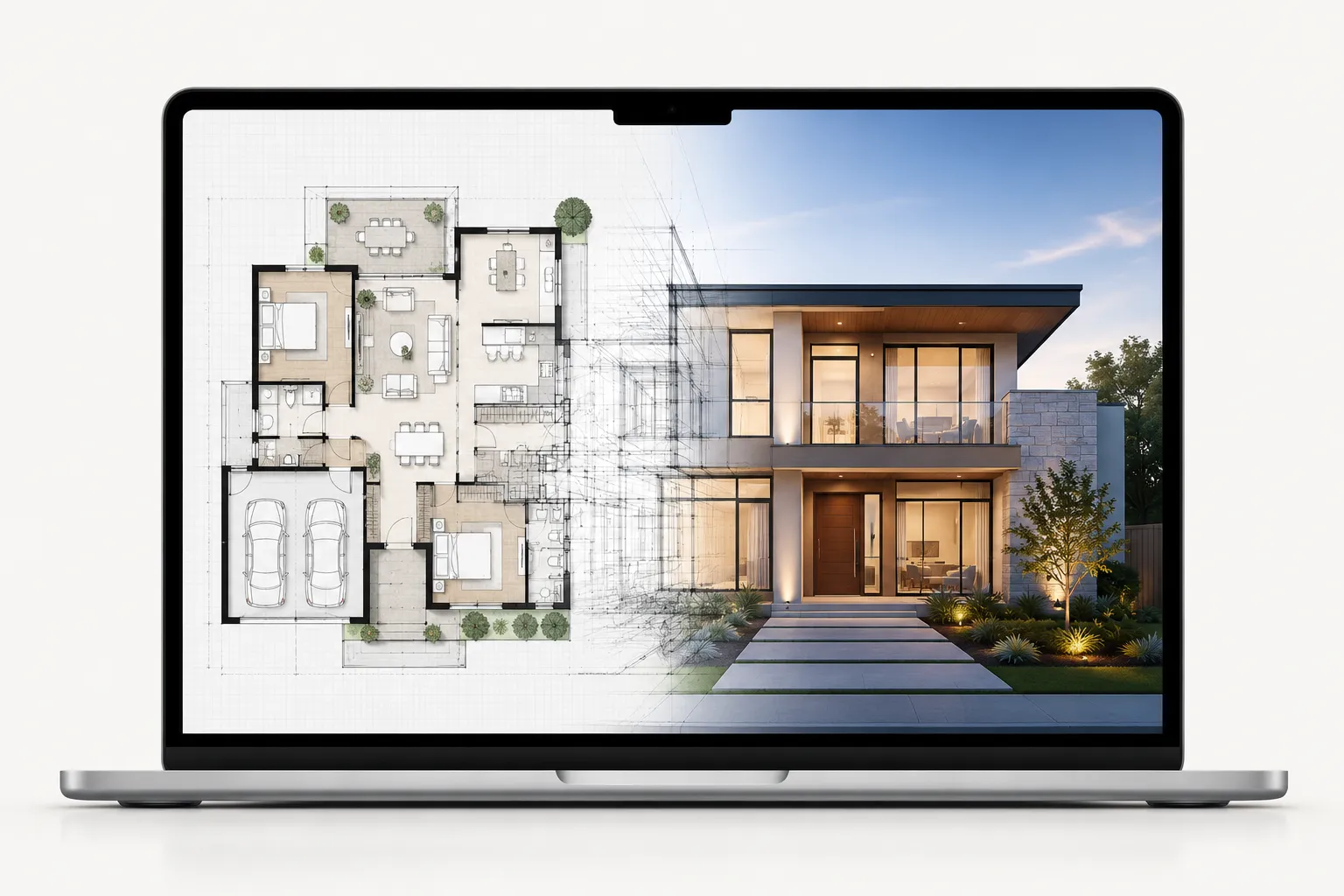
Testing how disparate furniture styles fit together inside a real room layout is notoriously difficult on paper. Many homeowners turn to online AI interior design tools, only to be disappointed by generic, cartoonish renders with floating chair legs, impossible light source angles, and fake furniture proportions that can never be built in real life.
The DesignHome Synthesis™ 3D visualization tool operates on actual architectural spatial intelligence, allowing you to test room design choices with precision execution.
[ Upload Room Photo OR Type Style Vision ] | v [ DesignHome Synthesis System ] | v [ Hit Generate — Crafts Ready-For-Buildup 3D Interior ]
- Step 1: Upload a quick photo of your actual room or type out your specific design idea (e.g., "Mix a modern velvet sectional with a vintage oak coffee table and matte black sconces").
- Hit Generate: The intelligence system processes your room's exact dimensions and spatial bounds to render a photorealistic 3D interior layout that is fully buildable.
- Validate & Adjust: Test scale, verify 36-inch walking clearances, swap wood finishes, and evaluate style balance digitally before spending money on furniture.
Fix a Room That Feels Mismatched
If your current room feels disjointed, run this quick diagnostic checklist to fix a mismatched room:
- Edit Out the Extra Accent: If you have three or four different styles competing in one room, remove pieces until you are back to an 80/20 baseline split.
- Unify the Rug Base: A small, patterned rug highlights disjointed furniture. Swap it for a larger, neutral area rug that extends under all major seating legs to anchor the space.
- Adjust Lighting Heights: Standardize lamp heights across the room so eye level stays consistent when scanned horizontally.
- Group Small Objects: Consolidate loose decorative items onto a single tray or shelf rather than scattering them across every surface.
Create a Home That Feels Collected, Not Cluttered
A well-designed home should look like it evolved over years of deliberate choices, not like a single furniture store catalog delivered on the same afternoon.
To turn diverse influences into a cohesive home design guide:
- Start with a clean, proportioned spatial layout.
- Establish your 80/20 style balance with a primary interior style and a cohesive color palette.
- Utilize cohesive design elements to repeat wood tones, metals, and silhouettes across opposing sides of the space.
- Validate your spatial clearances and furniture scale in photorealistic 3D using DesignHome Synthesis™ before buying.
By focusing on balance, scale, and intentional contrast, you can mix your favorite design styles with confidence and create a home that feels uniquely yours.
Frequently Asked Questions: How to Mix Design Styles in Your Home
How do I mix different interior design styles without my home looking messy or chaotic?
Focus on establishing visual balance through repetition rather than trying to match every piece of furniture. You can mix contrasting aesthetics as long as you repeat core colors, wood undertones, or metal finishes across opposing sides of the room. When your eye tracks repeating elements throughout the space, the layout feels like an intentional visual collection rather than an accidental mess.
What is the 80/20 rule when combining design styles?
The 80/20 rule is a structural layout strategy where you assign 80% of your room to one primary dominant style and 20% to a secondary accent style. Your dominant style covers major architectural elements, wall colors, main flooring, and large furniture anchors like sectionals or dining tables. The secondary aesthetic shows up across 20% of your space in accent seating, side tables, lighting fixtures, and decor to add depth without causing visual friction.
Can I combine vintage or antique furniture with modern contemporary pieces?
Combining traditional heirlooms with modern design creates high-contrast visual interest that makes a home feel rich and personal. The key is to lean into deliberate contrast rather than timid compromise. Place an ornate antique carved wood mirror above a sleek modern sideboard, or pair a low-profile minimalist dining table with vintage wooden chairs. The sharp distinction between clean modern lines and aged vintage textures makes both pieces stand out.
How does color help connect completely different furniture styles together?
Color acts as a visual unifier that ties contrasting furniture silhouettes into a single cohesive story. When pieces from different eras share a common color palette, your brain groups them together instantly. Choose a three-color palette consisting of a dominant neutral, a secondary shade, and an accent color, then repeat those exact tones across both your modern and vintage items to bind the space together visually.
What should I do if my partner and I have completely different interior design tastes?
Instead of trying to split a room down the middle equally, blend your tastes using an 80/20 balance or fuse complementary sub-genres like Transitional or Organic Modern. Have each person pick two non-negotiable items or features they love, and build a unified neutral backdrop around those core elements. Repeating shared finishes like brushed brass or warm oak will help merge your individual tastes into a harmonious home.
How do I make sure wood tones don't clash when mixing furniture from different eras?
Pay attention to the underlying temperature of the wood stain rather than trying to match the exact tree species. Warm wood tones like walnut, warm oak, and teak blend together naturally, while cool wood tones like grey ash and white oak pair best with each other. Avoid mixing extreme warm orange tones with cool ash greys in the same tight seating area, and use neutral rugs to buffer space between different wooden pieces.
Which interior design styles are naturally easiest to blend together?
Aesthetics that share structural principles or natural materials are the easiest to combine seamlessly. Mid-Century Modern pairs naturally with Scandinavian design because both prioritize clean lines and functional wooden forms. Industrial design pairs effortlessly with Warm Organic styles because metal accents balance raw wood textures. Japanese minimalism and Scandinavian design merge into Japandi, which focuses on muted tones and simple, peaceful spaces.
How do I handle open-concept spaces where adjacent rooms have different styles?
Maintain a continuous visual thread across connected zones by carrying the same flooring material and neutral wall paint through the entire footprint. If your living room leans modern and your dining area leans traditional, use hybrid transitional pieces—like clean wooden cabinets or simple upholstered benches—at the boundary between zones. Repeating a shared metal finish or accent color across both areas keeps the spatial flow smooth. You can also bridge spaces using continuous flooring materials.
How can I feature a bold statement piece without overwhelming the rest of the room?
Give your statement item physical and visual breathing room by surrounding it with quiet, neutral supporting furniture. If you have a bright velvet sofa or an intricate vintage cabinet, keep the surrounding rug and wall colors subdued so they don't fight for attention. Echo one subtle accent shade from the statement piece in smaller items across the room to keep the overall layout balanced.
Why do generic AI room design tools fail when trying to visualize mixed styles?
Most generic AI image generators treat room styling like an abstract painting, creating cartoonish renders with floating table legs, impossible light angles, and bizarre furniture proportions. They fail to understand real spatial bounds or physical clearances, resulting in stylized images that are impossible to buy or build in real life.
How does DesignHome Synthesis™ help me test mixed furniture styles before buying?
DesignHome Synthesis™ moves far beyond generic renders by using true architectural spatial intelligence to craft ready-for-buildup 3D interiors. You can simply upload a photo of your current room or type out your specific design vision, then hit generate to see a realistic layout that respects exact spatial proportions and 36-inch walking clearances. This lets you experiment with mixing modern and vintage pieces, test wood finishes, and bookmark your favorite visual setups before spending any money. Explore advanced AI home design platforms to see how it works.
What is the quickest way to fix a room that already feels mismatched?
Start by re-establishing a clear 80/20 style balance and stripping out excess accent items that create noise. Swap small, patterned throw rugs for a single oversized neutral rug that fits under all major furniture legs to anchor the space. Finally, standardize your hardware and metal finishes across lamps, side tables, and picture frames so the entire room feels grounded by a consistent visual anchor.


