

You prop your pillows up against the headboard, balance your laptop on your knees, and try to convince yourself that working from bed is a temporary luxury.
Three hours later, your back is aching, your neck is stiff, and your eyes are straining under the glare of a glowing screen. Even worse, when 10:00 PM rolls around and you pull the covers up to sleep, your brain is still buzzing with unanswered emails, unresolved deadlines, and daily stress. Your sanctuary for rest has slowly morphed into a high-pressure corporate cubicle. You lie awake, staring at the ceiling, and ask yourself: How do I build a productive workspace in my bedroom without sacrificing my peace, comfort, and sleep?
Here is the truth about modern interior design: mastering bedroom home office ideas isn't about giving up your personal retreat—it is about establishing hard spatial boundaries.
A bedroom workspace causes mental exhaustion when glowing monitors dominate your visual sightline from the pillow, loose charging cables trail across nightstands, and paperwork spills onto floorboards. By strategically positioning your desk away from your direct bed view, establishing clear visual zoning, and using concealed point-of-use storage, you can build a high-performance workstation that supports your career by day and vanishes into the background by night. For a deeper look at bedroom furniture arrangements, see our furniture placement rules for balancing shared sleeping and working zones.
Whether you are configuring a compact corner nook or optimizing a multi-functional master suite, here is how to plan, zone, and style your bedroom home office step by step.
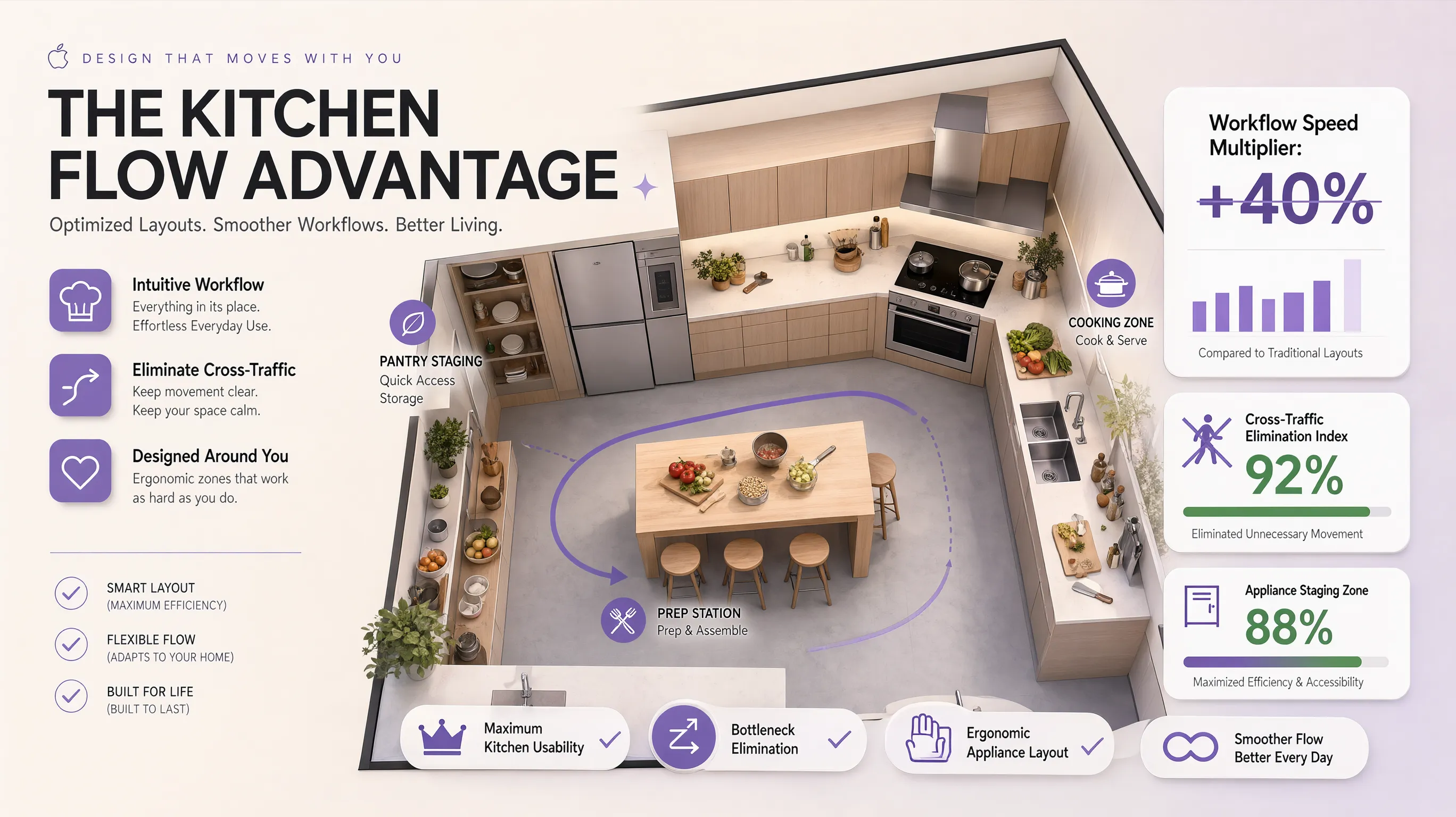
1. Bedroom Home Office Ideas That Make Working From Home More Comfortable
Before purchasing a new desk or shifting heavy furniture around, pause and examine how your room functions across a full 24-hour cycle.
Most bedroom office setups fail because homeowners treat the desk as an isolated accent piece rather than an integrated component of their total room ecosystem.
Exposed Cords
Glaring Lights
= Insomnia & Work Stress
Concealed Storage
Dimmable Task LEDs
= Deep Rest & Productivity
To execute successful bedroom home office ideas, anchor your layout around these core spatial rules:
- Protect the Sightline from the Pillow: Position your workstation so computer monitors, keyboards, and task lights are completely outside your direct line of sight when lying down in bed.
- Establish Hard Environmental Zones: Use textured area rugs, spatial dividers, or paint accents to create a psychological boundary between your "sleep sanctuary" and your "focus zone."
- Decouple Storage from Workspace Deck: Keep flat desk surfaces 90% clear by routing office supplies into vertical wall shelves, drawers, or nearby closets.
Explore our comprehensive spatial strategies for concealing office gear inside shared sleeping footprints to optimize your room without structural demolition.
2. Find the Best Place for a Desk in Your Bedroom
The position of your desk dictates how smoothly you move through your room and how well you focus during work hours. Placing a desk randomly against the nearest free wall often blocks traffic pathways or creates harsh monitor glare.
Finding the ideal spot for a home office in bedroom layout relies on evaluating natural daylight, electrical outlet access, and room flow.
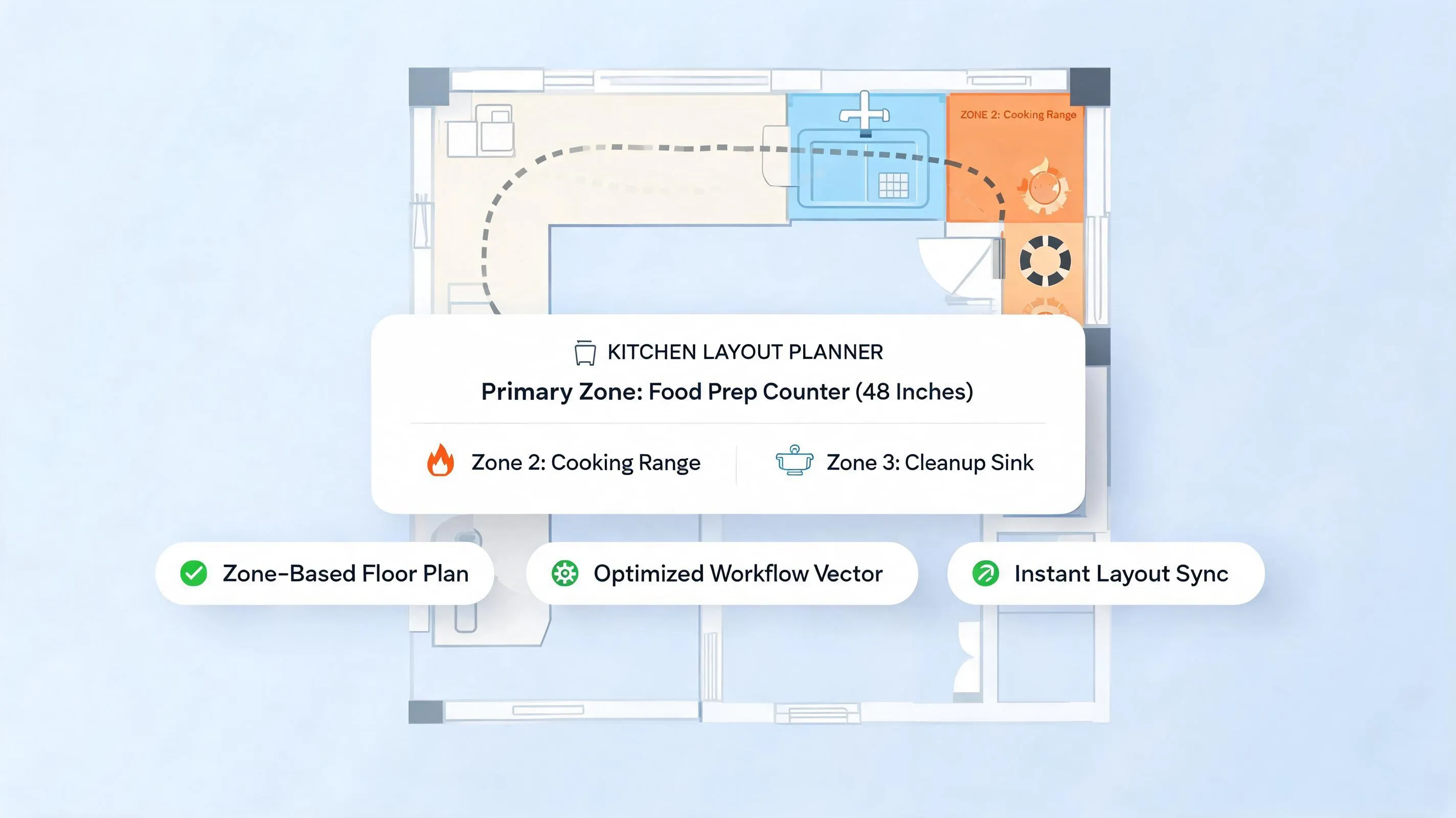
Follow this 3-step spatial audit to optimize your bedroom desk placement:
- Test the Bedside View: Sit or lie on your bed and look around the room. Identify the "blind spots"—the wall areas least visible from your resting position.
- Evaluate Window Glare: Avoid positioning computer screens directly opposite south-facing windows, as afternoon sun will wash out your display.
- Confirm Traffic Clearances: Ensure there is a continuous, unobstructed walking corridor at least 30 to 36 inches wide between the desk chair and the bed frame.
If you are balancing room arrangements across a tight master suite, review our step-by-step guide on fitting full workstations into compact bedroom footprints.
3. Create a Separate Work Zone Without Making the Bedroom Feel Divided
When your bed and workstation exist in the same physical space, your brain struggles to switch between high-focus work mode and deep relaxation.
Executing effective bedroom office zoning creates clear visual boundaries that signal to your mind when it is time to perform and when it is time to unwind.
(Work stress bleeds into sleep area)
|
[ Woven Folding Screen Divider ]
|
[ Focused Workspace Nook ]
High-impact strategies for bedroom workspace separation:
- Anchor with a Dedicated Area Rug: Place a distinct, textured woven rug beneath your desk and chair setup. The rug acts as a visual border, physically defining the workspace boundary.
- Use Architectural Folding Screens: Position a stylish 3-panel wood, rattan, or upholstered folding screen behind your desk chair. It blocks visual access to your bed during video calls and hides work equipment when you sleep.
- Create an Accent Wall Anchor: Paint the wall alcove behind your desk a deep, grounding shade—like forest green, deep navy, or warm charcoal—to visually isolate the office zone from the surrounding bedroom walls.
For soft divider tactics that carve zones without drywall, see our folding screen and area rug playbook for defining zones without walls. For rug-based zone definition, read our rug zoning tactics for soft boundary definition.
4. Choose a Desk That Fits Your Bedroom and Working Style
Selecting an overly bulky executive desk can overwhelm a cozy bedroom layout, making the space feel cramped and clinical.
Finding the ideal balance for bedroom office ideas requires matching your workstation's scale to your actual daily equipment needs.
Selection rules for small desk for bedroom setups:
- Verify Ergonomic Depth: Select a desk surface that is at least 20 to 24 inches deep. Shallow surfaces force your monitor too close to your eyes, causing severe visual fatigue.
- Prioritize Leg Clearance: Ensure the underside of the desk provides at least 27 inches of vertical clearance so your legs and chair arms slide under smoothly without bumping.
- Consider Dual-Functionality: Choose a stylish console desk that can double as a dressing table or vanity on weekends simply by tucking your laptop into a drawer.
Explore versatile bedroom workspace configurations that maintain visual harmony across your home.
5. Make a Small Bedroom Work With a Compact Home Office
If your room footprint is severely limited, fitting a full-size workspace alongside a queen bed and clothing wardrobe might feel nearly impossible.
Unlocking high-performance small bedroom home office ideas relies on utilizing awkward alcoves, wall recesses, and multi-functional furniture combinations.
[ Bulky Desk ] (Blocks path)
[ Floor Bookshelf ] (Crowds room)
| Floating Wall Desk (Acts as Nightstand)
| Vertical Wall Shelving (Built-in) |
+------------------------------------+
Space-saving strategies for a small bedroom office setup:
- Replace Your Nightstand with a Floating Desk: Position a slender 30-inch floating desk directly beside your bed frame. During the day, it serves as your primary laptop workstation; at night, it holds your reading lamp and phone charger.
- Capitalize on Corner Alcoves: Install a custom triangular or corner-fit desk surface inside an unused room corner. Corner setups turn dead floor space into an efficient work zone.
- Use Wall-Mounted Drop-Leaf Surfaces: Install a wall-hinged drop-leaf desk that folds flat against the wall when your workday ends, instantly restoring precious walking floor space.
For compact apartment strategies, read our multi-function furniture tactics for tight apartment footprints.
6. Keep Your Bed and Desk From Competing for Attention
The primary purpose of your bedroom is rest, recovery, and intimacy. If your workstation dominates the room's visual hierarchy, work stress will bleed into your evening routines.
Achieving a cohesive bedroom with desk and bed layout depends on directing the room's primary focal point toward your bedding and headboard styling.
Key principles for bedroom office design:
- Orient the Desk Away from the Bed Entry: Position your desk along a side wall or behind a screen so it isn't the first thing you see when you open your bedroom door.
- Cover Your Monitor at Night: Place a linen monitor dust cover over your screen, or fold down your laptop at the end of the day to eliminate black plastic visual clutter.
- Choose Warm Furniture Finishes: Avoid industrial black metal or plastic office furniture. Select desks crafted from natural oak, walnut, or painted wood that match your bedroom nightstands and dressers.
7. Choose a Comfortable Office Chair That Doesn't Overwhelm the Bedroom
A bulky, high-backed black plastic gaming chair sticks out like a sore thumb inside a soft, relaxing bedroom interior. However, picking an unsupportive dining chair will leave your back aching after two hours.
Selecting the right bedroom office chair ideas requires balancing ergonomic support with bedroom-friendly upholstery and slim proportions.
- Bulky 5-star wheeled base
- Dominates room visually
- Soft linen, velvet, or leather upholstery
- Warm brass or matte wood-wrapped base
Criteria for choosing a compact ergonomic office chair:
- Opt for Mid-Back Silhouettes: Select mid-back desk chairs that sit below your bed's headboard line rather than tall executive chairs that block room sightlines.
- Select Residential Upholstery: Choose chairs upholstered in soft linen, warm bouclé, textured tweed, or supple leather that complement your bedding fabrics.
- Look for Low-Profile Bases: Choose chairs with sleek brass, matte white, or wood-wrapped bases instead of heavy black industrial plastic rollers.
8. Plan Bedroom Office Lighting for Work and Relaxation
Poor lighting forces your eyes to work overtime during the day, leading to headaches and fatigue. Conversely, glaring white office lights at night disrupt your body's natural circadian rhythm and delay sleep.
Building an effective bedroom office lighting system relies on layering task illumination with warm, dimmable ambient lighting.
  [ Day Task Layer: 3000K Adjustable LED Desk Lamp ] ===> Focuses bright light directly onto work documents
                             |
  [ Evening Ambient Layer: 2700K Dimmable Wall Sconces ] ===> Soft warm glow that prepares body for sleep
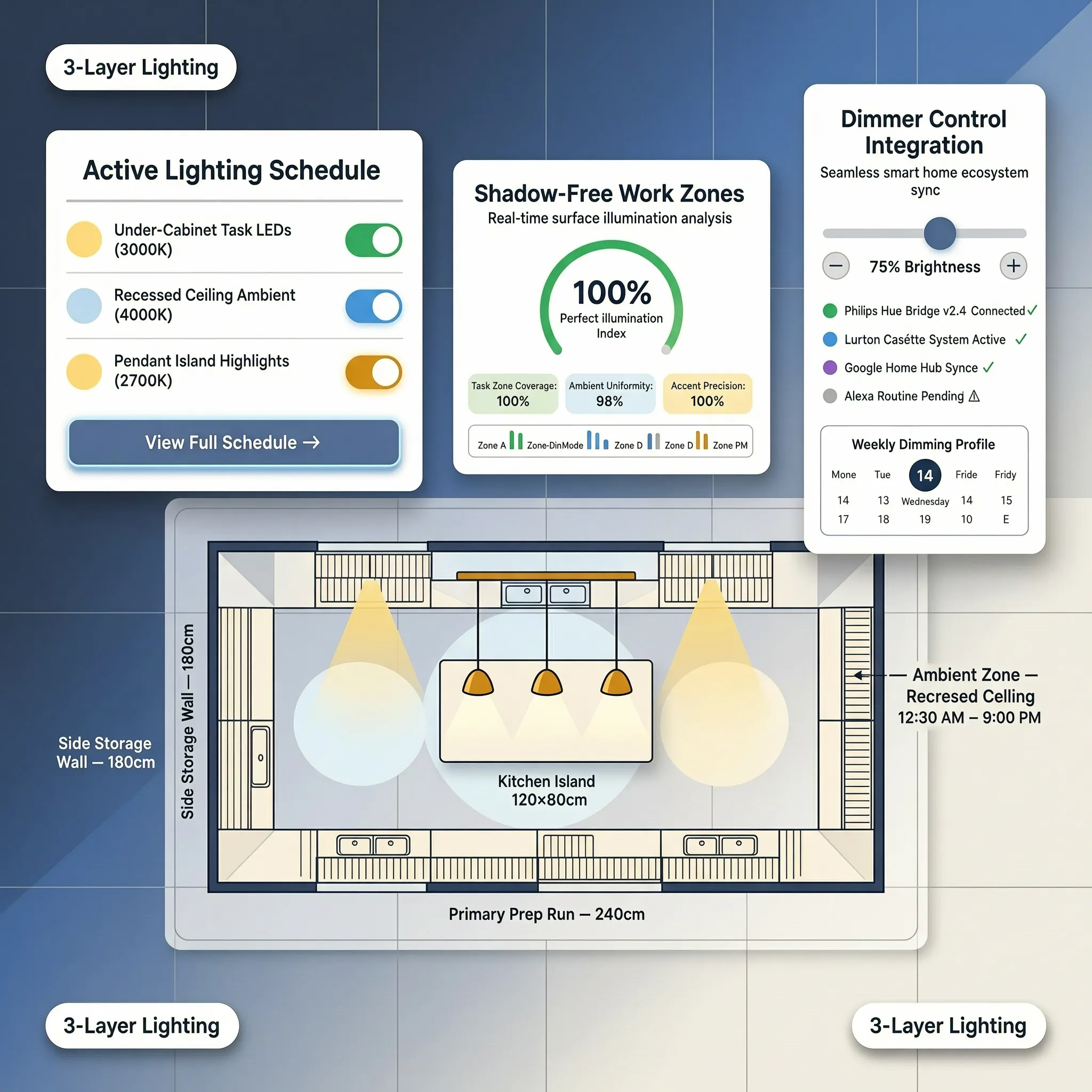
Lighting placement rules for bedroom desk lamp ideas:
- Use Adjustable Task Lamps: Position an adjustable LED desk lamp with a shaded shade to direct light strictly onto your work surface without spilling glare across the bed.
- Equip Bulbs with High-CRI 2700K–3000K LEDs: Choose warm-white LED bulbs rated between 2700K and 3000K (Kelvin) with a High Color Rendering Index (CRI 90+). High-CRI lighting provides shadow-free clarity for reading without clinical blue glare.
- Put Lighting on Independent Dimmers: Ensure your desk lamp operates on its own switch so you can shut it down completely when switching to evening relaxation mode.
For a deeper framework on layered fixture placement, read our per-zone dimmable lighting approach for bedroom rooms. For official technical specifications on residential lighting standards, eye safety, and glare prevention, consult the Illuminating Engineering Society (IES).
9. Add Storage That Keeps Work Supplies Out of Sight
Nothing ruins a tranquil bedroom faster than stacks of printer paper, dangling chargers, client folders, and sticky notes scattered across your dresser.
Executing smart bedroom office storage ideas depends on maintaining strict bedroom desk organization: hiding all work equipment when your shift ends.
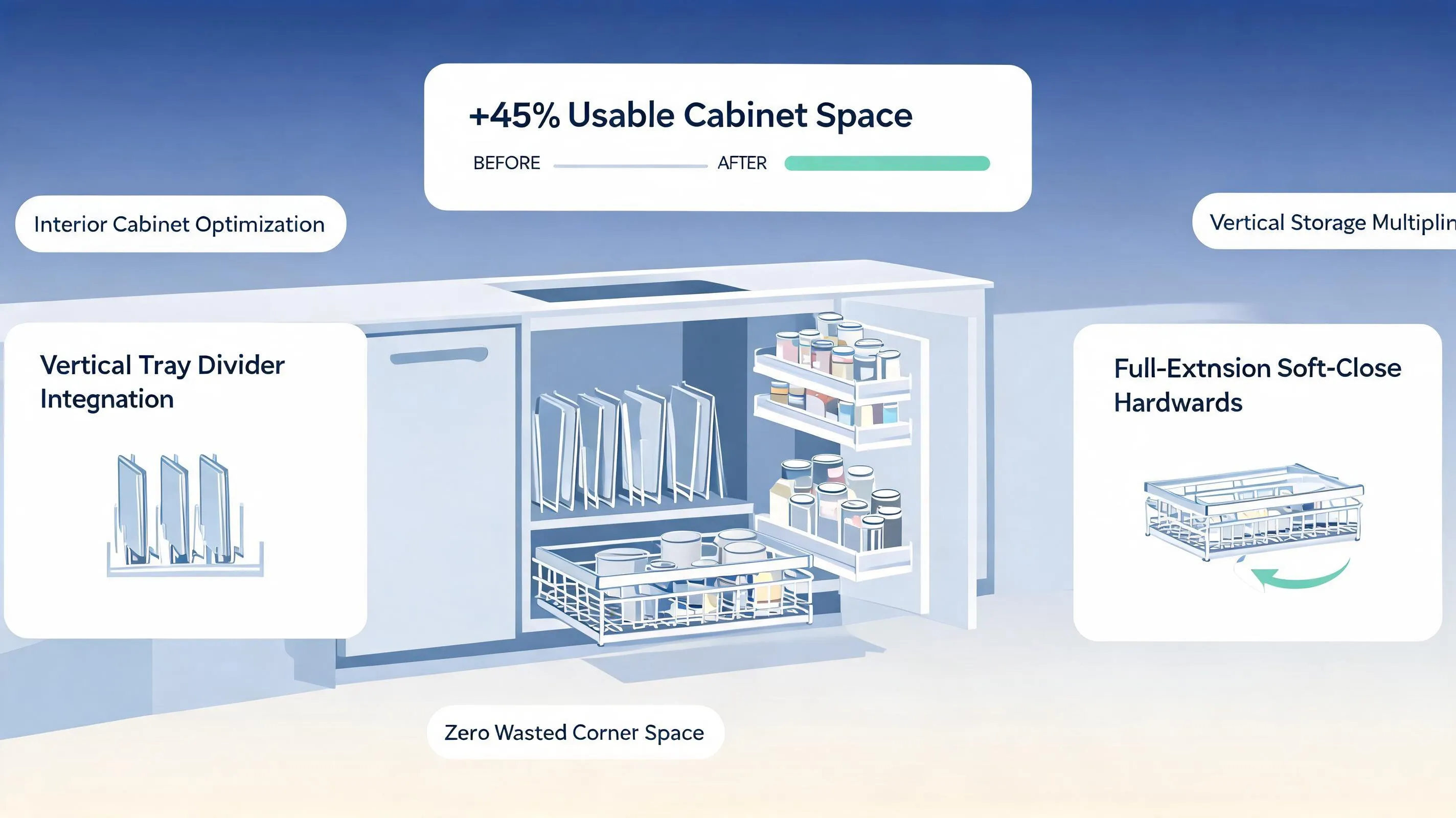
Storage rules for a clean workstation:
- Utilize Full-Extension Drawers: Choose a desk equipped with deep pull-out drawers. Store pens, notebooks, and blue-light glasses inside organized acrylic dividers.
- Use Decorative Linen Storage Boxes: Store active paper files, reference books, and extra supplies inside matching fabric or leather storage boxes placed on open shelves.
- Install Under-Desk Cable Channels: Screw a cable management tray or J-channel raceway underneath your desktop to lift power strips and cord bundles completely off the floor.
For surface-clearing tactics across the entire bedroom, see our low-friction storage habits for keeping bedroom surfaces clear.
10. Make Your Bedroom Workspace Match Your Interior Style
A successful bedroom workspace shouldn't look like an office squeezed into a bedroom—it should look like a natural extension of your home's interior design.
Curating cohesive bedroom office decor and exploring stylish bedroom office ideas relies on coordinating materials, colors, and textures across both functional zones.
- Cold chrome desk lamp
- Plastic corporate mousepad
- Brushed brass task lamp matching sconces
- Leather desk mat matching headboard trim
Design integration tactics:
- Coordinate Wood Stains: Match the wood grain and stain of your desk surface to your bed frame, nightstands, or wardrobe doors for visual continuity.
- Incorporate Residential Art: Frame inspiring artwork or personal photography above your desk instead of hanging whiteboards or corporate calendar grids.
- Use Leather Desk Mats: Place a soft leather or wool felt desk pad across your workstation. It protects the wood finish, dampens typing noise, and elevates the room's aesthetic.
For guidance on non-toxic finish standards, low-VOC paint formulations, and eco-friendly wood millwork, visit the Sustainable Furnishings Council (SFC).
11. Create Privacy and Reduce Distractions When Working From Your Bedroom
Working from a bedroom presents unique focus challenges—from the visual temptation of a comfortable bed to household noise spilling in from adjacent hallways.
Building effective bedroom office privacy ideas and optimizing bedroom workspace ideas helps you maintain sharp concentration during business hours.
Focus and privacy guidelines:
- Position Your Chair Facing the Wall or Window: Turn your desk so your back faces the bed while working. Facing a wall or window keeps your focus entirely on your work.
- Optimize Your Video Backdrop: Ensure your webcam angle frames a clean wall, painted alcove, or curated bookshelf rather than an unmade bed or open wardrobe.
- Establish Household Boundaries: Use a subtle sign on your bedroom door or wear noise-canceling headphones to signal to family members that you are on focus calls.
For broader workspace design guidance, see our home office design framework for productivity and focus.
12. Design a Bedroom Home Office You Can Switch Off at the End of the Day
Ready to build a comfortable, productive bedroom home office that completely vanishes when it's time to sleep?
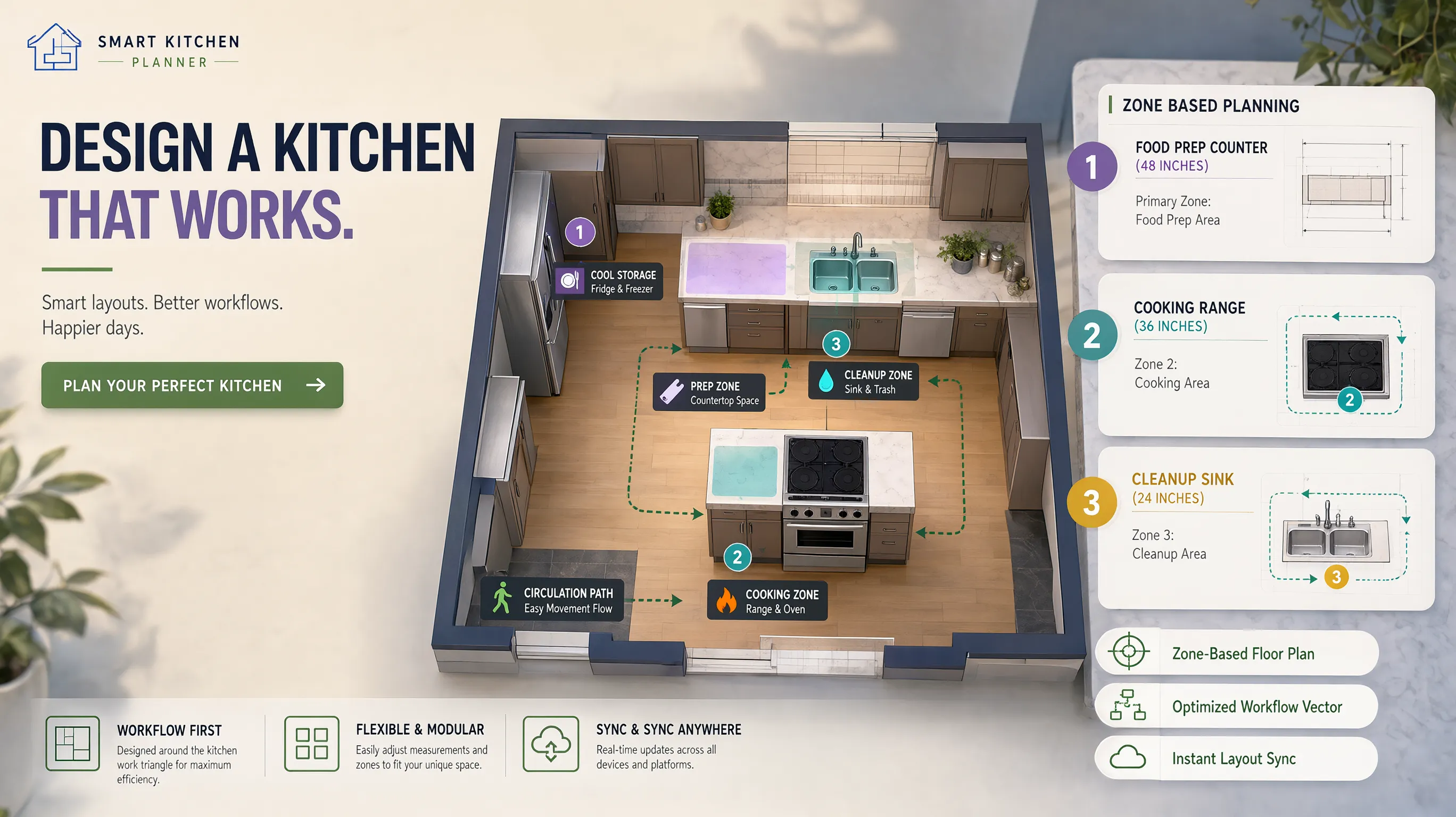
Before buying furniture, ordering lamps, or drilling wall anchors, bring all your spatial measurements, storage needs, and lighting controls together into a clear, actionable plan. To preview everything before committing, read our digital preview workflow for testing layouts before spending a dollar.
  [ Step 1: Audit Bedroom Sightlines & Identify Blind Spots Away From Pillow ]
                                 |
  [ Step 2: Establish 30"-36" Traffic Clearance & Select 20"-24" Deep Desk ]
                                 |
  [ Step 3: Layer Dimmable 2700K Task LEDs & Conceal Under-Desk Power Cords ]
                                 |
  [ Step 4: Add Point-of-Use Storage Drawers & Soft Residential Upholstery ]
                                 |
  [ Step 5: Execute Bedroom Office Design with Total Confidence ]
The Ultimate Bedroom Home Office Sign-Off Checklist:
- [ ] Validate Room Sightlines: Confirm that computer monitors and task lights sit outside your direct pillow view.
- [ ] Ensure Ergonomic Clearances: Maintain 30 to 36 inches of clear walking space and at least 27 inches of desk knee height.
- [ ] Establish Visual Zoning: Use a dedicated area rug, accent wall color, or folding privacy screen.
- [ ] Conceal Cable Management: Mount J-channels and power strips underneath the desktop.
- [ ] Coordinate Interior Styles: Match desk wood finishes, metal hardware, and textiles to existing bedroom decor.
- [ ] Set Environmental Controls: Install high-CRI 2700K–3000K LED task lighting on independent dimmers.
Step Into Your Ideal Bedroom Sanctuary Today
You deserve a home that empowers your professional ambitions while protecting your personal rest and well-being every single night. Creating a comfortable, high-performance bedroom workspace doesn't require complex structural demolition or sacrificing your peace of mind.
By focusing on smart desk placement, visual zoning, hidden storage, and cohesive interior styling, you can eliminate work-related stress and build a balanced retreat tailored to your exact lifestyle.
Map your space, refine your workflow, and bring your complete bedroom home office vision to life today!
External Resources & Industry Standards
To explore deeper technical insights into residential space planning, electrical safety, and lighting standards, consult these authoritative industry resources:
- National Kitchen & Bath Association (NKBA) – Official space planning guidelines, ergonomic clearances, and residential design standards.
- Illuminating Engineering Society (IES) – Technical lighting standards, glare prevention, and ergonomic task lighting metrics.
- International Code Council (ICC) – Residential building codes, electrical access regulations, and safety standards.
- Sustainable Furnishings Council (SFC) – Official guidelines for non-toxic finishes, low-VOC paints, and sustainable furniture.
Frequently Asked Questions About Bedroom Home Office Ideas
How can I build a productive workspace in my bedroom without ruining its calming atmosphere?
Protecting your bedroom's relaxing atmosphere relies on strict sightline management and physical boundaries. The key is positioning your workstation so computer screens, task lamps, and power cords sit completely outside your direct line of sight when lying down in bed. By using warm natural wood finishes, housing supplies in hidden drawers, and anchoring the desk with a distinct area rug, your bedroom home office design functions as a high-performance workspace by day and vanishes into a serene retreat by night.
Where is the absolute best spot to place a desk in a bedroom layout?
The ideal bedroom desk placement balances natural window light, electrical outlet access, and visual privacy from the headboard. Positioning a compact desk inside an awkward structural alcove, along a side wall perpendicular to a window, or floating it as a dual-purpose bedside console preserves a clear 36-inch walking aisle down the center of the room. This strategic placement keeps your work equipment from intruding on primary traffic paths or disturbing your resting view.
Will putting a home office in my bedroom make the space feel cramped and overcrowded?
Not when you match furniture scale to your room's natural footprint. Heavy corporate desks swallow floorboards and create visual clutter. Choosing a slender 20-to-24-inch deep floating wall desk or an open ladder workstation preserves vital floor space while maintaining ergonomic comfort. Utilizing multi-functional furniture—such as a console desk that doubles as a nightstand or vanity—ensures your small bedroom office setup feels open, airy, and intentional.
How do I create a clear boundary between my sleeping area and my desk without building walls?
You can create recognizable spatial zones using textural framing and smart furniture orientation. Placing a high-texture woven wool or jute area rug exclusively beneath your desk frame establishes a clear visual boundary that isolates your bedroom office zoning. Pairing this layout with a stylish 3-panel wooden privacy screen or painting a rich accent color inside a desk alcove creates clear psychological separation between high-focus work and evening relaxation.
What type of office chair provides long-hour support without looking like a bulky corporate seat?
Select a low-profile, mid-back desk chair upholstered in soft residential fabrics—such as linen, textured bouclé, tweed, or supple leather—that mirror your bedding and curtain textiles. Choose frames featuring warm brass, matte white, or wood-wrapped star bases rather than cold black plastic rollers. A mid-back silhouette sits neatly below your headboard line, delivering essential lumbar support while maintaining unbroken sightlines across your room.
How do I hide messy cables, chargers, and paperwork so they don't disrupt my sleep environment?
Mastering bedroom desk organization requires hiding all work equipment the moment your shift ends. Screw a metal cable raceway and power strip directly beneath your desktop to lift power bricks and cord bundles completely off the floor. Store loose paperwork inside deep full-extension drawers fitted with acrylic dividers, and place a soft linen dust cover over your computer monitor at 5:00 PM to eliminate black plastic visual noise instantly.
How should I position my bedroom desk to get the best natural light without screen glare?
Place your desk perpendicular (at a 90-degree angle) to major window walls. Side lighting illuminates your physical work surface evenly without casting harsh sun reflections on your computer display. Pair your window placement with light-filtering linen shades to diffuse direct afternoon sunlight, ensuring your face stays evenly lit during video calls while protecting your eyes from fatigue.
Can a floating wall desk really support a complete monitor and laptop setup?
Absolutely—provided it is anchored correctly into structural wall studs. Heavy-duty floating wall desks mounted with lag screws into solid timber studs offer rock-solid stability while leaving floor space 100% clear beneath. This open profile makes cleaning effortless and creates an airy, weightless aesthetic that is essential for compact bedrooms.
How do I choose desk finishes and decor that match my existing bedroom interior style?
Harmonize your materials across both functional zones. Choose a desk wood stain that matches your bed frame, nightstands, or wardrobe doors. Pair your setup with a brushed brass or ceramic task lamp that echoes your wall sconces, and lay down a soft leather desk mat. Leather dampens typing noise, protects the wood surface, and visually ties your workstation into your overall bedroom aesthetic.
How do I maintain video call privacy when working from a shared or open bedroom space?
Control your background frame and chair orientation. Position your desk so your back faces a clean, painted wall or curated bookshelf rather than an unmade bed or open closet. Placing a stylish rattan folding screen behind your chair during video meetings shields your personal space from camera view while dampening background household audio for a polished, professional presentation.
How can I prevent my bedroom workspace from causing work-related insomnia at night?
Psychological detachment requires physical separation. Keep your flat desk deck 90% clear of loose papers, route charging cables out of sight, and shut down glowing screens when your shift ends. Storing work supplies inside closed drawers breaks the mental connection between your sleep sanctuary and professional deadlines, allowing your brain to switch into deep rest mode.
How can I test my bedroom home office layout before buying furniture or moving heavy pieces?
Avoid spatial bottlenecks by mapping your exact baseboard footprints, walkway clearances, and bed sightlines virtually before purchasing furniture. Testing your fixture placements, desk depths, and chair arcs in advance ensures every piece fits your room with absolute spatial precision.


