

How to Choose the Right Flooring for Your Home: A Complete Room-by-Room Guide
1. How to Choose the Right Flooring for Your Home
Walk into any home improvement store, and you are immediately faced with hundreds of floor samples. Hardwood planks, porcelain tiles, luxury vinyl, laminate, carpet—it gets overwhelming fast.
How do you know which choice will actually survive your home's daily life?
Here is the truth:
Most homeowners fail at choosing flooring for your home because they start with appearance instead of lifestyle. They fall in love with a delicate, high-gloss hardwood sample under bright store lights, only to watch their dog scratch it on day three.
When you are figuring out how to choose flooring, you need a step-by-step filter. Knowing how to choose flooring for a house comes down to asking three simple questions:
- What happens in this specific room? (Water, heavy boots, kids, quiet sleep?)
- What is your true total budget? (Materials plus installation and subfloor prep?)
- How much time do you want to spend cleaning it? (Five minutes with a damp mop or weekly waxing?)
By starting with practical needs instead of store displays, choosing flooring shifts from a stressful guessing game into an easy decision.
2. Start With How Each Room Will Be Used
Before looking at colors or wood grains, look at the floor plan under your feet. Every room places wildly different demands on a surface.
If you lay the exact same light carpet in your front entryway as you do in your master bedroom, that entryway will look ruined in six months.
When sorting your flooring by room, map out activity zones.
For the best flooring for each room, match the material to the room's worst-case scenario. High-moisture areas need waterproof protection, while high-traffic halls need scratch-resistant strength.
When planning your room by room flooring setup, gathering smart home flooring ideas starts with protecting your subfloor from daily wear.

3. Compare the Main Types of Flooring
To make a smart choice, you need to understand how the five major types of flooring for homes perform in real life.
Let's break down the main home flooring options without the sales pitch:
Hardwood (Solid & Engineered)
What it is: Real natural timber. Solid wood is one solid plank; engineered wood layers real timber over a stable plywood core.
Best for: Living rooms, dining areas, and bedrooms.
The drawback: Real wood reacts to moisture and scratches under pet claws.
Tile (Porcelain & Ceramic)
What it is: Kiln-fired clay or stone shaped into dense slabs.
Best for: Bathrooms, kitchens, mudrooms, and entryways. You can browse waterproof tile choices at Floor & Decor.
The drawback: Hard and cold underfoot; requires grout cleaning.
Luxury Vinyl Plank (LVP)
What it is: Multi-layered PVC flooring with a printed photo layer and tough clear top coat.
Best for: The entire house, especially basements, kitchens, and pet-friendly homes.
The drawback: Cannot be sanded or refinished like real hardwood.
Laminate
What it is: Compressed wood fibers topped with a clear wear layer.
Best for: Hallways, living rooms, and bedrooms on a budget. Check budget-friendly options at Lowe's.
The drawback: Older laminates swell if water sits on seams for hours.
Carpet
What it is: Tufted synthetic or wool fibers attached to a backing pad.
Best for: Bedrooms and upstairs hallways where noise control matters.
The drawback: Traps dust, stains easily from spills, and requires frequent vacuuming.
Understanding these flooring types helps you eliminate bad options immediately so you can focus on different types of flooring that fit your lifestyle.
4. Choose Flooring Based on Durability and Traffic
A floor that scratches after two weeks is an expensive mistake.
If you have kids racing down the hallway, dogs chasing balls, or heavy boots coming through the back door, you need durable flooring for home spaces.
Here's the kicker:
Not all vinyl or laminate floors are built equal. When shopping for the most durable flooring, check these two technical specs:
- Wear Layer Thickness (For LVP): Look for a 20-mil wear layer or higher. Anything under 12-mil will show wear patterns in high traffic flooring zones within a few years. Explore pet-rated collections at Shaw Floors.
- Core Construction (SPC vs WPC): SPC (Stone Polymer Core) is much denser than WPC (Wood Polymer Core). If you need reliable flooring for pets or tough flooring for kids, SPC withstands dropped heavy objects without denting.
5. Think About Water, Moisture, and Spills
A burst washing machine hose, a splashing bathtub, or a dog knocking over a water bowl can ruin an improper floor overnight.
When picking water resistant flooring for home applications, learn the crucial difference between water-resistant and 100% waterproof:
Water-Resistant Flooring: The top coat repels liquid for a short time (usually 24 to 72 hours). But if liquid seeps into the seams, the core expands.
Waterproof Flooring: The material itself contains zero wood fibers. Standing water will never cause it to warp, expand, or buckle.
For bathroom flooring and kitchen flooring, stick strictly to 100% waterproof materials like porcelain tile or SPC vinyl plank. Choosing true moisture resistant flooring keeps your subfloors safe from hidden mold.
6. Choose Flooring That Fits Your Budget
The price tag on the sample board is only half of your real total cost.
When calculating the real flooring cost for home renovations, many homeowners forget tear-out fees, subfloor prep, underlayment, transition strips, and installation labor.
Here is how to manage your overall flooring budget:
- Affordable Flooring Options: Sheet vinyl, standard laminate, and click-lock LVP offer the best value per square foot. You can check current pricing options at The Home Depot.
- Factor in the Flooring Price: DIY click-lock plank saves you significant money on labor. Gluing down real hardwood or setting tile requires professional tools that raise the flooring installation cost.
7. Match Flooring to Your Home's Style
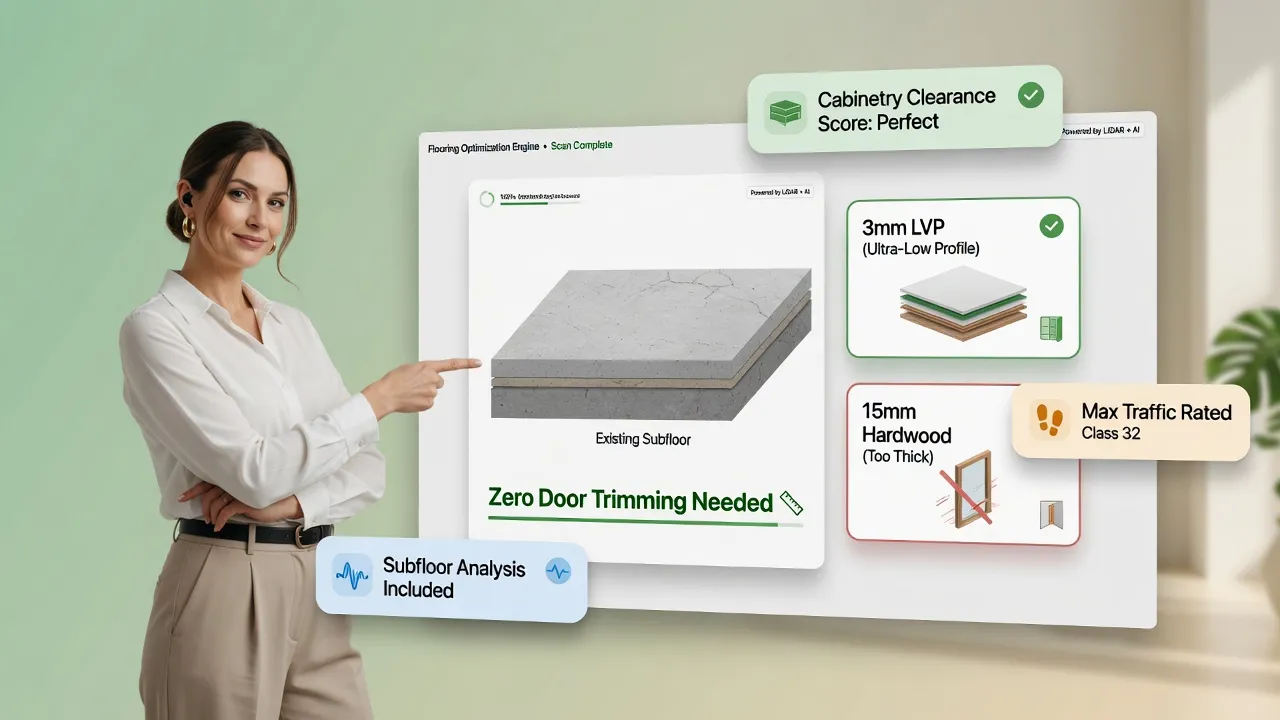
Your floors set the visual foundation for your entire house. If your floor color fights your kitchen cabinets or trim, the whole space feels uncoordinated.
When exploring flooring ideas for home updates:
- Complement Baseboards & Trim: Match warm floor tones with off-white trim, and pair cool gray floors with crisp white baseboards.
- Coordinate Furniture Styles: If you have dark walnut furniture, pick a mid-tone floor that lets your furniture legs stand out clearly.
- Tie Flooring to Walls: For complete guidance on coordinating room surfaces, see our guide on how to match wall colors with furniture.
Aligning your flooring colors and flooring styles with your existing furniture creates a clean, cohesive look across your home interior flooring.
8. Choose the Right Flooring Color and Pattern
Floor color alters how large or bright a room feels.
Selecting from popular flooring color ideas comes down to balancing daylight, wall paint, and room scale.
• Reflects natural daylight
• Hides dust and pet hair
• Best for low-light rooms
• Absorbs room light
• Shows footprints and dust
• Best for bright, open spaces
When comparing light vs dark flooring:
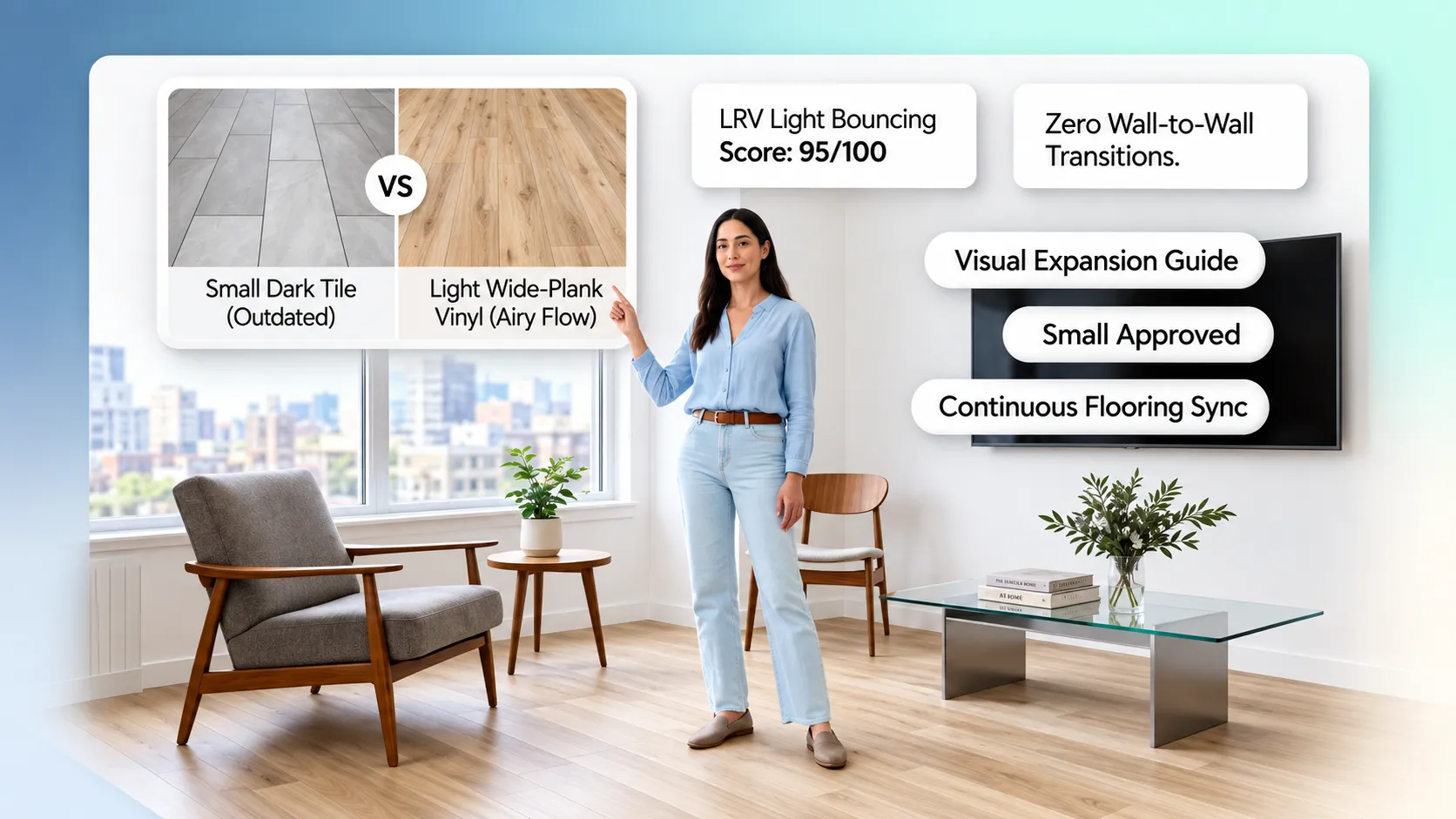
- Use Light Tones to Expand Space: Natural blonde, light oak, and pale beige bounce light across small rooms.
- Pick Neutral Floor Colors: Soft greige and warm beige neutral flooring shades work well with changing paint colors over time.
- Mind Your Flooring Patterns: Wide 7-inch to 9-inch planks keep rooms looking calm, while complex herringbone patterns add focal interest to large living areas.
Check out our guide on how to create a whole house color palette to coordinate your floor tone with adjacent rooms.
9. Consider Cleaning and Maintenance
Every floor requires some upkeep, but some demand far more effort than others.
If you don't want to spend your weekends waxing wood or scrubbing grout, choose an easy to maintain flooring option.
Here is how to keep flooring maintenance simple:
- Pick Low Maintenance Flooring: Luxury vinyl plank and modern laminate need only a quick sweep and a damp micro-fiber mop. Find easy-care planks at LL Flooring.
- Choose Matte Finishes: High-gloss floors act like mirrors, revealing every footprint and dust mote. A low-satin or matte finish stays looking clean longer.
- Avoid Light Grout in Mudrooms: If you choose tile, use dark or color-matched grout lines so dirt doesn't stain the seams.
Selecting an easy clean flooring surface keeps your home looking fresh with minimal daily hassle.
10. Think About Comfort, Noise, and Temperature
A floor can look stunning in photos, but if it feels freezing cold on winter mornings or echoes like a gymnasium, you won't enjoy living with it.
For a truly comfortable flooring for home environment, consider how the surface feels underfoot:
- Prioritize Quiet Flooring: Look for vinyl or laminate planks with pre-attached acoustic underlayment pads to muffle footstep sounds between stories.
- Keep Bedrooms Warm: Carpet remains a top choice for flooring for bedrooms because it insulates against cold subfloors and provides soft cushioning underfoot.
- Warm Up Hard Surfaces: If you install tile in cold climates, consider adding electric underfloor heating mats during installation.
Balancing sound absorption, softness, and warmth creates a home that feels comfortable every day.
11. Compare Flooring Options Before You Decide
Stuck between two or three top choices?
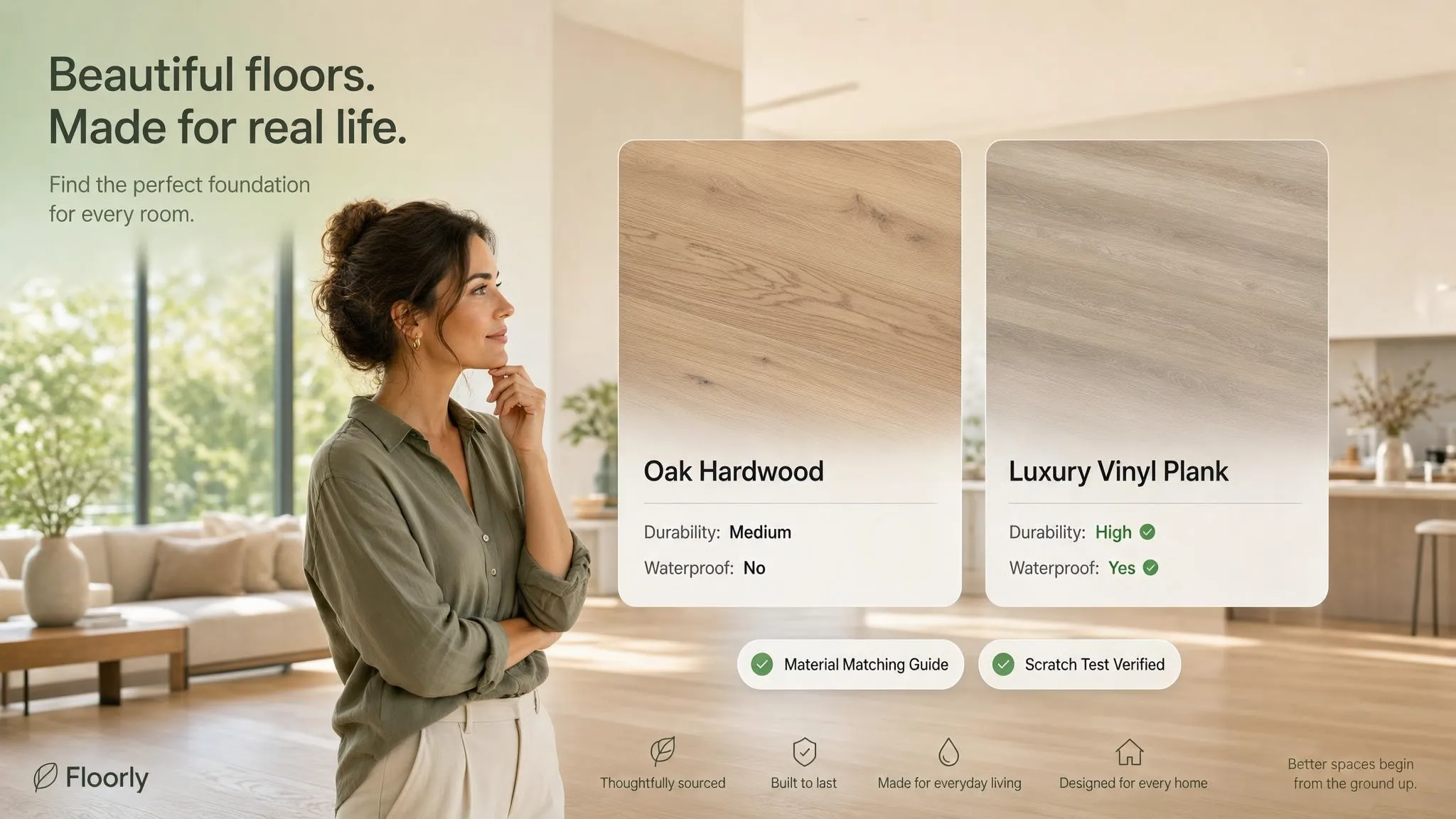
Use this side-by-side flooring comparison grid to evaluate how the top materials measure up across every category:
When you compare flooring options across these real-world metrics, your ideal flooring materials comparison becomes clear instantly.
12. Create a Flooring Plan for Your Whole Home
You have done the research—now it is time to build your complete home flooring plan.
When establishing a whole house flooring layout, seamless transitions prevent your home from feeling disjointed. Read our walkthrough on choosing colors for adjoining rooms to bridge visual breaks across doorways.
Follow this checklist to finalize your decisions:
By following this simple plan, you can pick your new floors with total confidence and enjoy a beautiful home underfoot for years to come.
Frequently Asked Questions: Choosing Flooring for Your Home
1. Can I install new flooring directly over my old floor, or do I have to tear everything out?
Here is the short answer: it depends on what is under your feet right now.
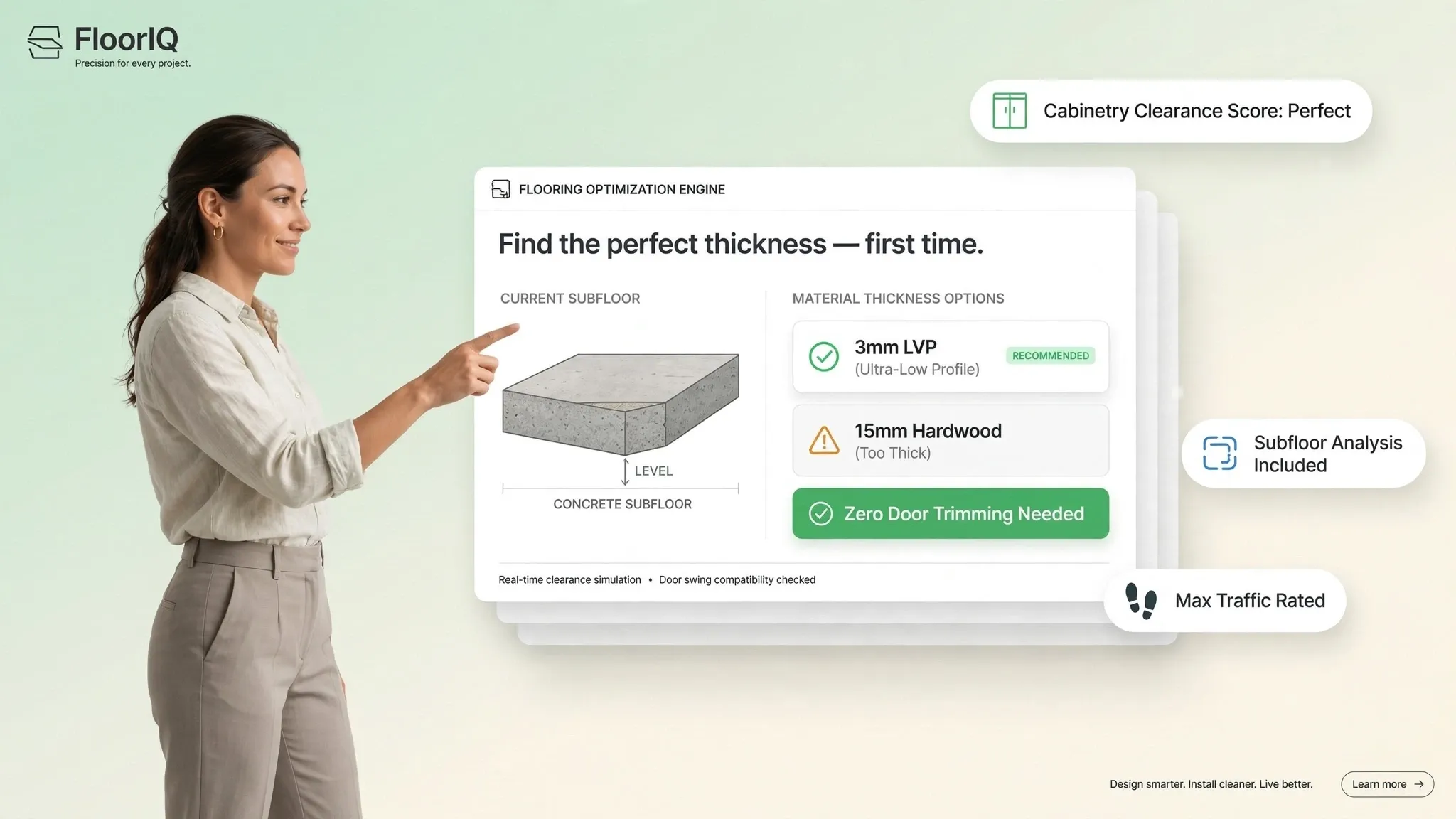
Click-lock luxury vinyl plank (LVP) and floating laminate can often sit directly over flat ceramic tile, sheet vinyl, or concrete subfloors without any tear-out.
But if you try to lay thin vinyl over plush carpet, warped hardwood, or an uneven subfloor, your new planks will flex, creak, and unlock at the seams within a few months. Always level out low spots before installing any floating floor.
2. What is the most durable flooring if I have big dogs and active kids?
Let’s be honest—dog claws, spilled juice, and dragged toys will wreck delicate floors in a matter of weeks.
If you want a floor that survives real-life chaos without showing scratches, your best options are:
- Rigid Core SPC Luxury Vinyl Plank: Look for planks with a 20-mil wear layer or higher. You can explore pet-tested vinyl collections at Shaw Floors.
- High-Density Laminate: Premium laminate with an AC4 or AC5 durability rating resists scratches from heavy dog claws better than almost anything else. Find heavy-duty options at LL Flooring.
- Porcelain Tile: Practically indestructible, scratch-proof, and totally waterproof.
3. Is luxury vinyl plank really 100% waterproof, or is that just marketing hype?
You have probably heard the claims. But does LVP actually hold up when a pipe bursts or a bathtub overflows?
Yes—the planks themselves are 100% waterproof.
Because rigid core LVP is made from stone polymer or PVC compounds, standing water will not cause the planks to swell, cup, or buckle.
However, keep this in mind: water can still seep between the plank seams down to your subfloor. If a major flood happens, you may need to lift the planks to dry out the subfloor underneath to prevent mold.
4. How do I calculate the true total cost of installing new floors?
Don't let the low price tag on a sample board fool you.
The material cost is usually only 40% to 50% of your real total bill. When building your budget, add up these hidden expense layers:
- Old Floor Removal & Disposal: $1.00 – $2.50 per square foot
- Subfloor Leveling & Prep: $0.50 – $1.50 per square foot
- Underlayment Padding: $0.50 – $1.00 per square foot
- Transition Strips & Baseboard Trim: $3.00 – $6.00 per linear foot
- Professional Installation Labor: $2.00 – $7.00 per square foot
Check current material and tool rental pricing at The Home Depot to calculate an accurate project estimate before starting.
5. Engineered hardwood vs. solid hardwood—which one actually makes more sense?
It comes down to where you live and what type of subfloor you have.
• Can be sanded 4-5 times
• Warps over concrete or humidity
• Ground-level & upper floors only
• Sanded 1-2 times max
• Stable over concrete & basements
• Works on any floor level
If you live in a humid climate or are installing floors over a concrete slab or basement, engineered hardwood is far superior because its layered core resists warping.
If you live on a dry subfloor and want a floor that can be sanded and refinished for 50+ years, choose solid hardwood.
6. Should I install the same flooring throughout my entire home?
Want your house to feel instantly bigger and more connected?
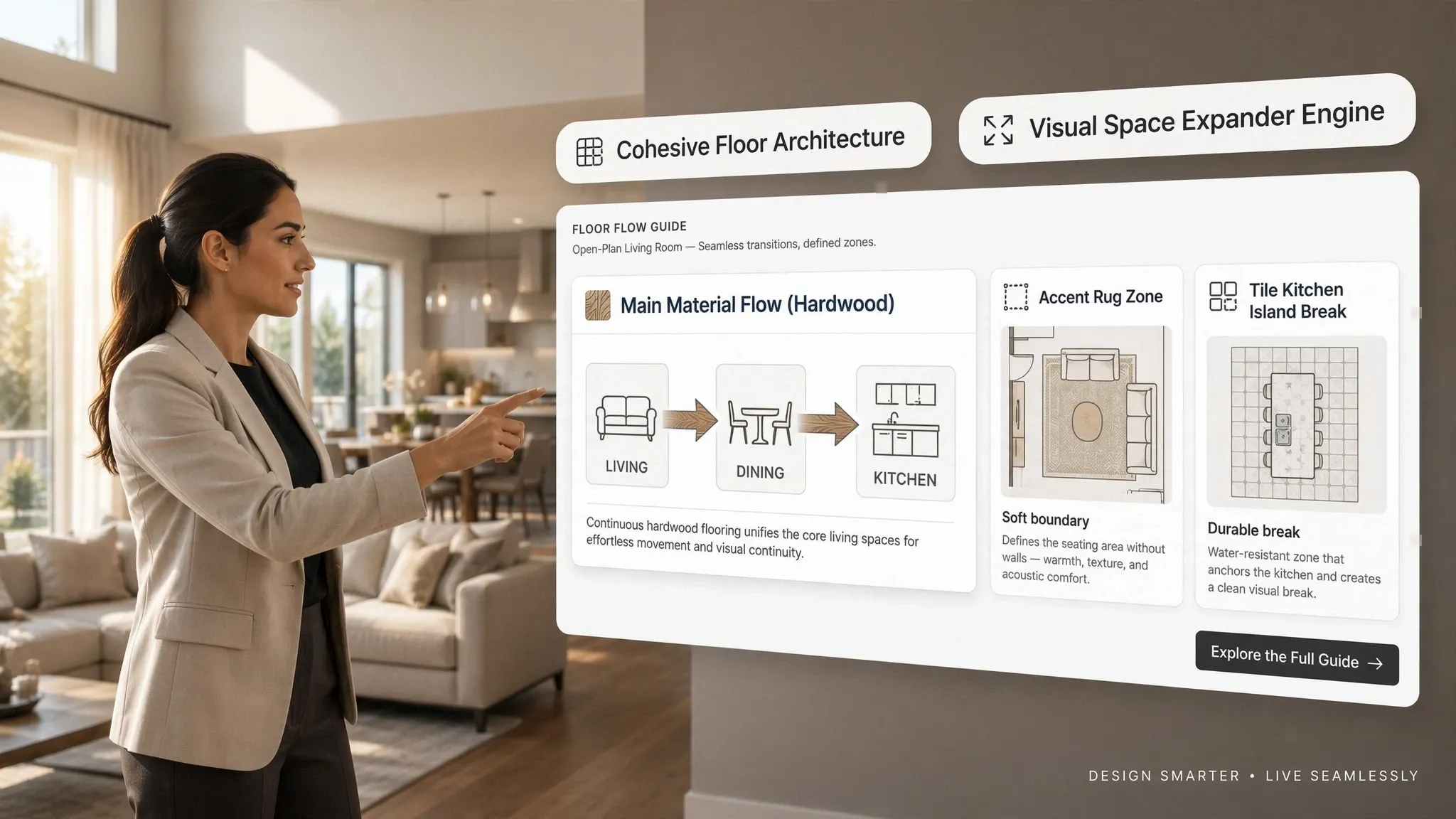
Yes! Running one continuous floor material through your entry, living room, kitchen, and hallways eliminates visual breaks at doorways.
+---+---+---+
| A | B | C |  (Feels cluttered)
+---+---+---+
+-------------------------+
|   ONE UNIFIED SURFACE   |  (Feels expansive)
+-------------------------+
When you use the exact same surface underfoot, your brain treats all connected spaces as one massive room.
If you want to keep the floor plan cohesive across every room, read our guide on choosing colors for adjoining rooms.
7. What floor color is the absolute easiest to keep clean day after day?
Here is a secret most store salespeople won't tell you:
The hardest floors to keep clean are the extremes—stark white and pitch-black espresso.
Dark floors show every single speck of dust, dried footprint, and white dog hair. White floors show every bit of dirt and mud tracked in from outside.
• Soft natural greige
• Light ash wood with matte finish
• Pure white glossy tile
• Dark charcoal slate
For a low-maintenance home, choose mid-tone warm oak, natural blonde wood, or soft greige with a matte finish. Matte surfaces diffuse light and hide daily smudges effortlessly.
8. What is the best waterproof flooring for bathrooms and laundry rooms?
Bathrooms and laundry rooms take more splashing, steam, and standing water than any other space in your house.
For these wet zones, porcelain tile remains the undisputed winner. It absorbs virtually zero water, handles heavy puddles, and cleans up easily. You can browse waterproof tile styles at Floor & Decor.
If you prefer the warmth of wood in your bathroom, your next best choice is 100% waterproof rigid core luxury vinyl plank. Just make sure to seal room perimeters with silicone caulk to stop water from sneaking under the baseboards.
9. How do I choose transition strips so my doorways look seamless instead of clunky?
Bulky, raised metal strips stick out like a sore thumb and create trip hazards in doorway openings.
To keep your transitions clean:
- Match the Darker Surface: Pick a transition strip color that matches the darker of the two floors so it blends naturally into the door frame.
- Hide the Seam: Always align the physical floor seam directly beneath the door panel when the door is closed.
- Use Low-Profile T-Moldings: If both floors sit at the same height, use a slim, flush T-molding or brass inlay strip instead of a thick plastic reducer.
10. How can I see what different flooring looks like in my room before buying?
Buying thousands of dollars in flooring based on a tiny 4-inch sample chip in a store is nerve-wracking. A color that looks great in a store display can look completely different under your home's natural light.
Before spending a dime:
- Get Peel-and-Stick Swatches: Order large physical sample sheets from Samplize to test color combinations against your baseboards and cabinets.
- Coordinate Wall Tones: Check our guide on how to match wall colors with furniture to see how floors interact with surrounding decor.
- Visualize in 3D: Upload photos of your actual space into the DesignHome app to preview wide planks, tile layouts, and wood tones across your home before buying.


