

Make Your Home Feel More Personal—Without Starting Over
You walk into your living room after a long day. The sofa is clean, the walls are painted a pleasant neutral shade, and the coffee table looks like it was pulled straight from a furniture catalog.
Yet, something feels completely missing.
It looks like a staged showroom, but it doesn't feel like yours.
Here is the frustrating truth: thousands of homeowners fall into the trap of thinking that to make your house feel like home, you have to tear down walls, throw out all your furniture, or hire a high-priced designer.
+-------------------------------------------------------------------------+
|  THE SHOWROOM TRAP   --> Perfectly matched sets, empty of history, rigid|
|  THE PERSONAL SPACE  --> Layered textures, meaningful objects, unique flow|
+-------------------------------------------------------------------------+
You do not need a massive bank account to make your home feel more personal. In fact, starting over from scratch often strips away the exact character your home needs.
If you are ready to stop copying online trends and start building a space that reflects who you actually are, this step-by-step roadmap will show you how to personalize your home smoothly and affordably.
Start With What You Already Love Instead of Chasing a Design Style
The fastest way to end up with a cold, generic house is forcing yourself into a rigid aesthetic label.
When you try to copy "100% Industrial" or "Strict Scandinavian" from a magazine, you end up throwing out personal items simply because they don't fit someone else's definition of style.
Look around your space right now. Instead of worrying about design rules, ask yourself one simple question:
"Which three items in this room bring me genuine joy when I look at them?"
├── A Handcrafted Ceramic Bowl  --> Establishes a warm, earthy texture base
├── A Vintage Framed Map        --> Sets a deep, rich accent color tone
└── An Oversized Wool Throw     --> Defines your preference for cozy comfort
Uncovering your true personal interior design style doesn't start with a store catalog. It starts with the objects you already own that hold personal meaning. Build your home style outward from those beloved anchors.
Let Your Home Tell Your Story Through the Things You Keep
Think about the most inviting homes you have ever visited. They rarely look like sterile hotel rooms. They feel rich and interesting because every corner holds a narrative.
Meaningful home decor cannot be mass-produced in a factory or bought in a single afternoon shopping spree. It is gathered over time through experiences, travels, and personal milestones.
- Display Travel Finds: Place that hand-woven basket from your last vacation on a main bookshelf instead of tucking it away in a closet.
- Feature Family Treasures: Frame an old handwritten recipe card from a grandparent and hang it in your kitchen.
- Showcase Personal Hobbies: If you play guitar, collect vintage vinyl, or paint, integrate those tools directly into your main living space as personal home decor.
Surrounding yourself with items that hold history turns generic rooms into a authentic, personalized home.
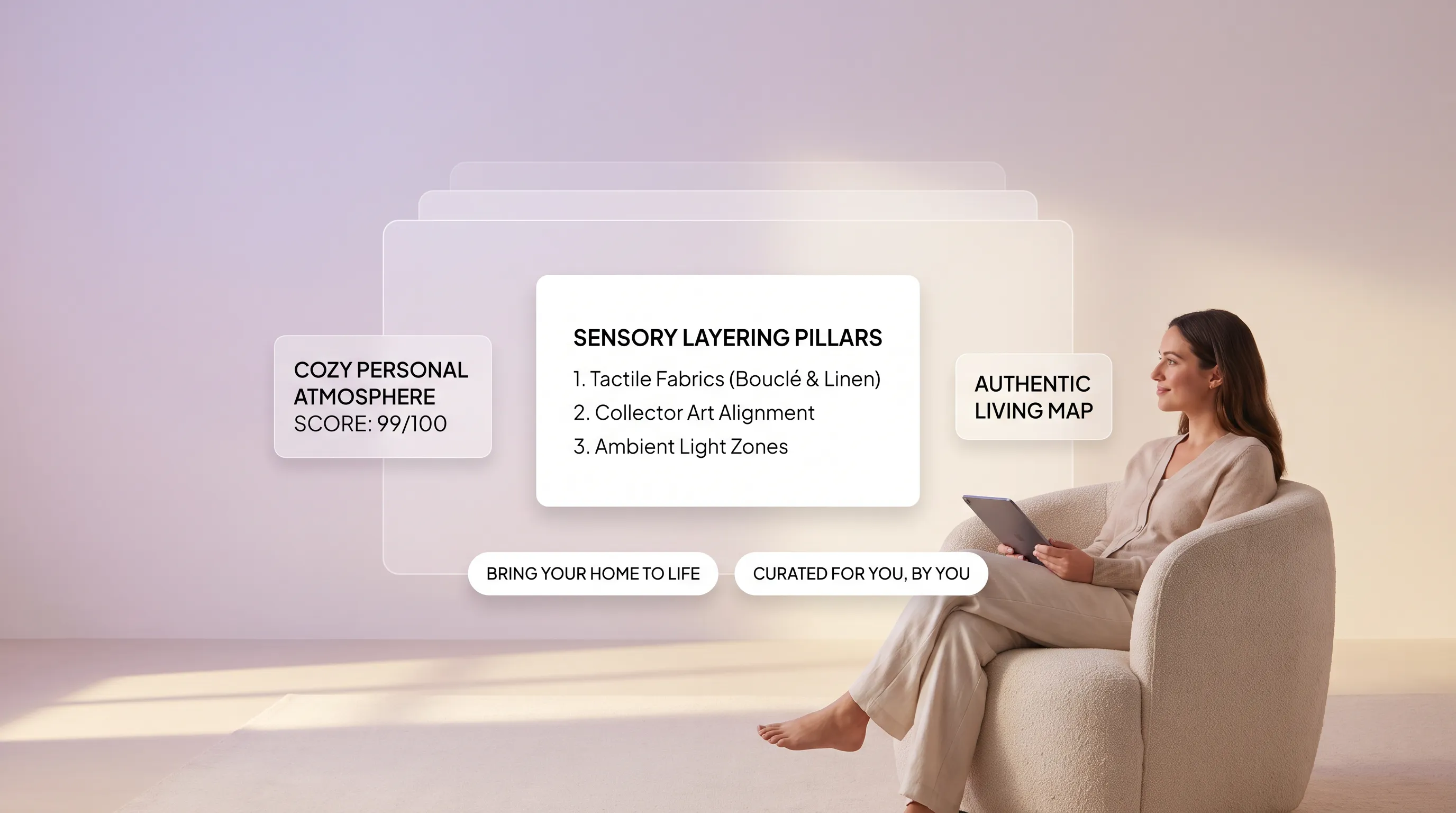
Give Each Room Something That Could Only Belong to You
When every piece of furniture in a room comes from the exact same big-box store collection, the space loses its soul.
To break up retail monotony, give every room one signature piece that nobody else could easily replicate.
Exploring personalized room ideas isn't about making loud, chaotic choices. It's about introducing unique home decor elements that spark conversation and interrupt predictable design patterns.
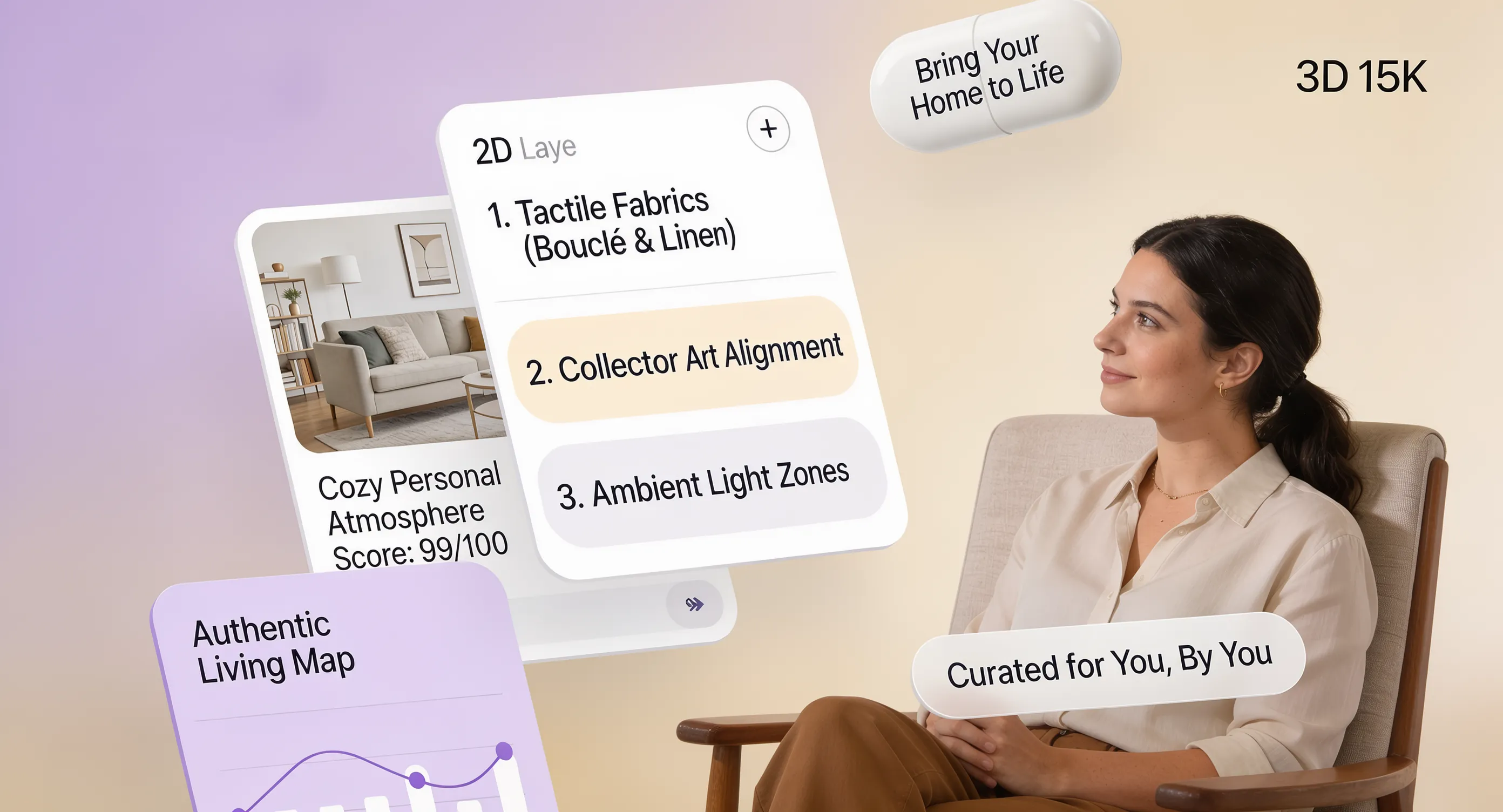
Use Color to Bring More of Your Personality Into the Home
A lot of people stick to plain beige or stark white walls out of pure fear. They worry that picking a bold color will overwhelm the room or become something they regret six months down the road.
Let's face it: living in a sea of sterile white walls can feel like living in a box.
               [ START WITH YOUR FAVORITE SHADE ]
                 /            |            \
     [ 10% ON WALLS ]   [ 30% ON TEXTILES ]   [ 60% ON ACCENTS ]
            │                    │                     │
    An accent alcove    Curtains & rugs      Throw pillows & art
You don't have to paint every wall emerald green to introduce personalized home colors. Try applying rich tones in controlled doses—like painting a single reading nook, picking a rich velvet accent chair, or selecting bold artwork.
Gathering practical home color ideas and testing interior color ideas in small sections lets you bring energy into your space without losing visual balance.
Make the Furniture Work for Your Life, Not Just the Room
A room can look stunning in a photograph, but if you can't comfortably set down a coffee cup while sitting on the sofa, the design has failed.
Your furniture layout should adapt to your actual daily routines, not the other way around.
├── Do you read every morning?   --> Position an armchair right beside the best natural light
├── Do you host game nights?    --> Choose a wide, low coffee table with floor poufs
└── Do you work from the couch? --> Add a slim, mobile side table that slides under the sofa
Rethinking your furniture arrangement based on how you move through your day creates a truly personalized home design. When your home layout supports your habits, your entire house feels effortlessly comfortable.
Create Spaces Around the Moments You Actually Enjoy
Instead of decorating rooms based on formal traditions you never use, design your home around the specific moments that make you happy.
If you never hold formal dinner parties, why dedicate a massive room to a stiff, unused dining table?
Integrating functional home design ideas around your real passions makes your space feel deeply rewarding every single day.
Mix Old, New, Handmade, and Unexpected Pieces
If your home looks like it was bought entirely off a single display floor, it lacks depth.
The secret to rich, character-filled homes lies in contrast. Pairing sleek contemporary pieces with weathered, vintage elements creates immediate visual tension that catches the eye.
• Sleek brass floor lamp
• Polished glass coffee table
• Antique carved wooden desk
• Chunky hand-woven wool rug
Embracing eclectic home decor principles doesn't mean creating chaos. Mixing textures and time periods gives you unique home decor ideas that feel thoughtfully gathered over years rather than bought in a rush.
Display Photos, Art, and Collections Without Making the Room Feel Cluttered
One of the biggest struggles homeowners face is displaying personal treasures without making their space look messy or disorganized.
When you scatter small framed photos randomly across every table, it creates visual noise.
Here is how to display personal items cleanly:
- Group by Proximity: Gather small personal items together on a single tray or shelf rather than spreading them out.
- Build an Intentional Gallery Wall: Use uniform frames or matching mat board colors to tie different personal photographs together.
- Leave Empty Space: Give your objects room to breathe. Leave empty space around a main collection so your eyes can focus on what matters.
Using clear gallery wall ideas and smart photo display ideas lets you share your favorite memories while keeping your rooms looking clean and serene.
Keep the Parts of Your Home That Feel Like You—Even When Trends Change
Social media feeds are flooded with constantly changing micro-trends. One year everything is stark gray, the next year everything is warm travertine, and six months later it's dark moody walnut.
Chasing every trend will leave you exhausted and broke.
"If a trend doesn't align with what you personally love, ignore it completely."
Building a base of timeless home decor means investing in high-quality classic foundations—like natural wood floors, clean architectural trim, and neutral main upholstery—then layering your personal accents on top.
Focusing on a lasting personal home style protects you from expensive trend cycles and ensures your interior design remains authentic for years.
See Your Ideas Together Before You Change the Room
Most people think testing different furniture arrangements, wall paints, and decor layouts requires spending thousands of dollars or hiring a professional design firm.
That used to be true. But it isn't anymore.
Trying to guess whether a vintage rug will match your existing sofa or if a new wall color will clash with your flooring leads to expensive trial-and-error mistakes.
• Paint walls and risk bad light
• Heavy physical lifting & return
• Test colors digitally in seconds
• Rearrange furniture on screen
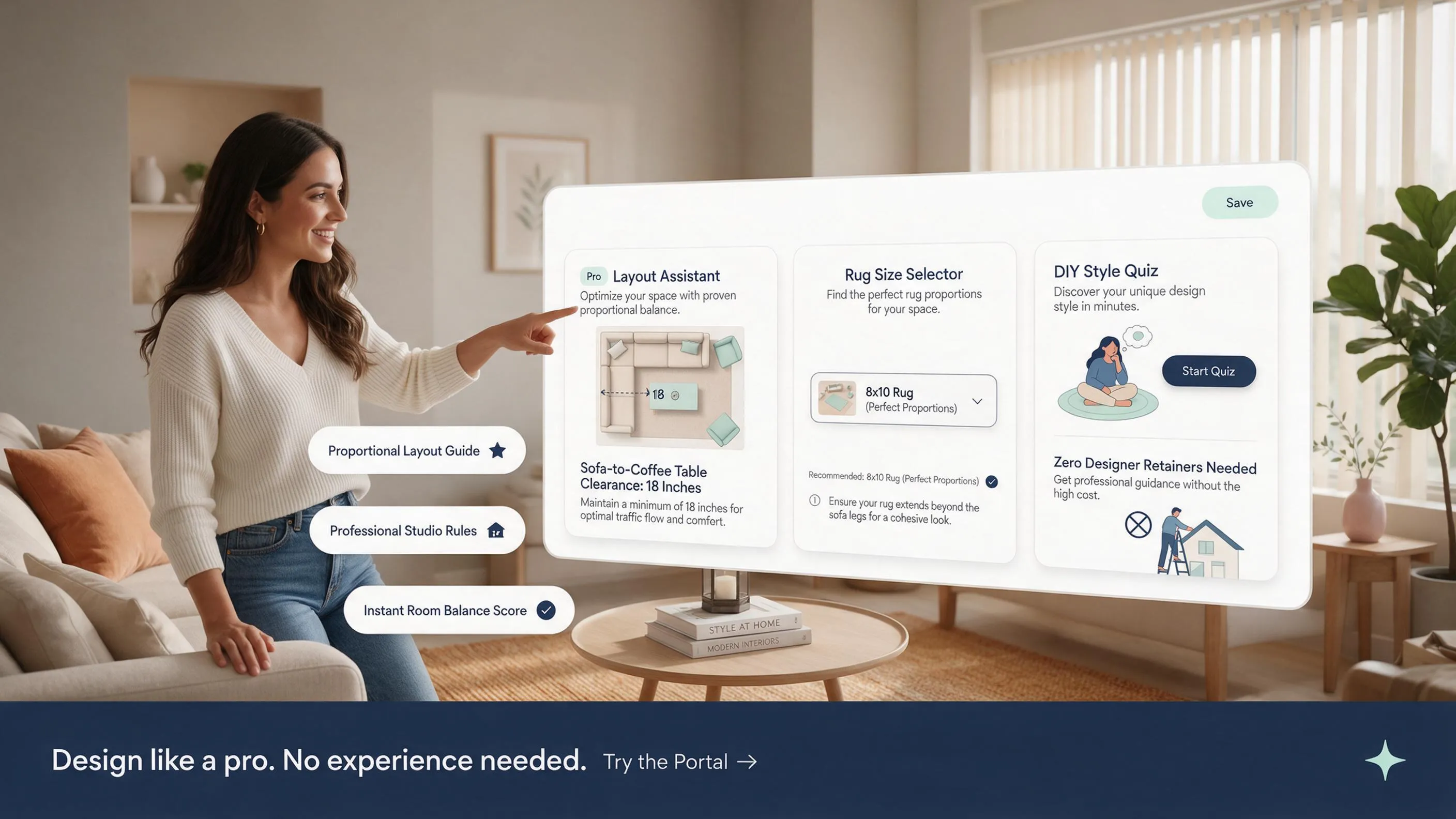
Using intuitive tools like the 3D visualizer on DesignHome completely changes the game. You can visualize home design concepts directly on screen, test new furniture arrangements, and swap out decor pieces before spending a single dollar.
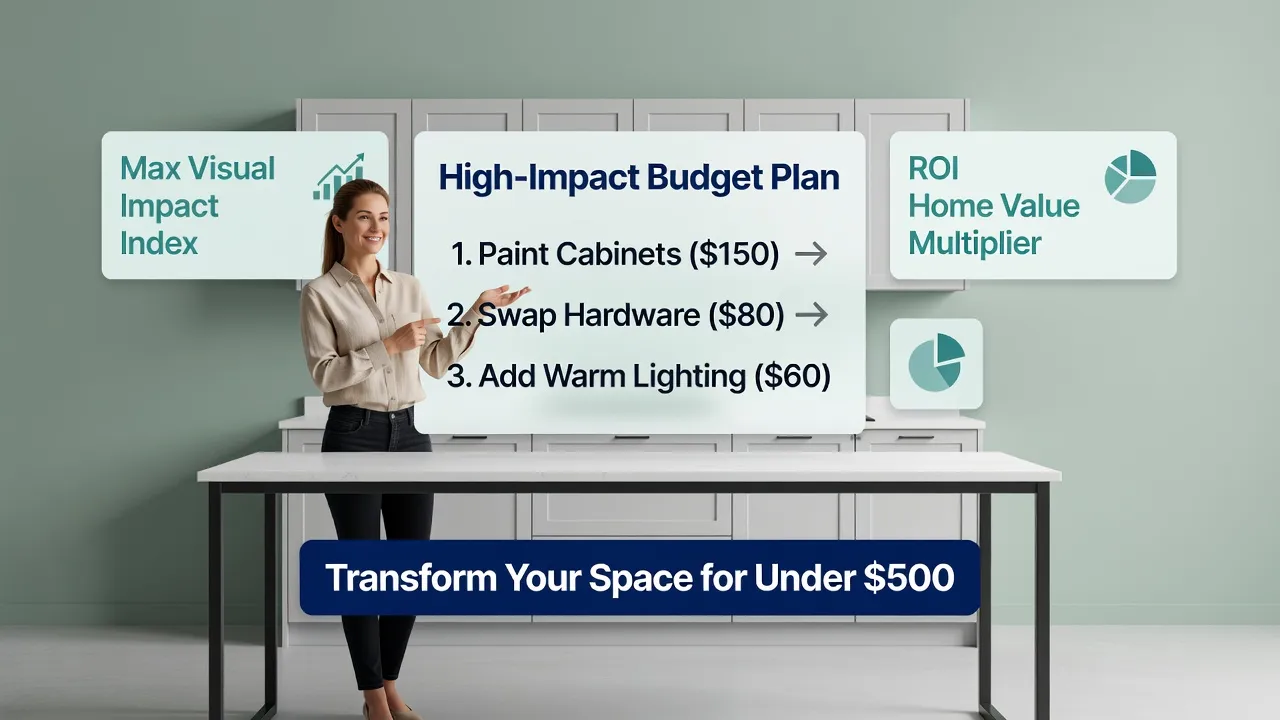
Build a Home That Feels Like You, Not a Copy of Someone Else's
Creating a personal home isn't an overnight task—it's a continuous, enjoyable process of curating your living space.
Here is your quick transformation checklist:
By taking control of your space, you turn a simple house into a place that feels warm, authentic, and unmistakably yours.
Frequently Asked Questions About Making Your Home Feel More Personal
1. My living room looks clean and modern, but why does it feel like a cold catalog showroom instead of my actual home?
A room that feels like a staged showroom usually lacks history, texture, and personal layers. Buying matching furniture sets from a single store is convenient, but it strips away the subtle contrasts that give a house character. To make your house feel like home, you need to disrupt that retail uniformity by introducing items with a backstory—like a vintage coffee table, hand-woven textiles, or art collected from your travels. Mixing smooth store-bought finishes with weathered surfaces creates immediate depth, turning a sterile space into an authentic living environment.
2. How do I figure out my personal interior design style without just copying popular Pinterest trends?
Chasing online micro-trends leaves you with a fragmented space that feels outdated within a year. Discovering your true personal interior design style starts with analyzing what you already own and genuinely love rather than looking at store catalogs. Select three anchor objects in your house that bring you immediate joy—whether that is a framed vintage map, a colorful wool rug, or a ceramic vase. Notice the common colors, raw textures, and eras present in those three items. Building your room outward from those personal preferences creates a grounded aesthetic that reflects who you are rather than what a social media feed dictates.
3. How can I display meaningful family memories and photos without making my shelves look cluttered?
Scatter-shot decorating—placing small framed photos randomly across every tabletop and windowsill—creates visual noise that overwhelms the room. To showcase meaningful home decor cleanly, group your items intentionally. Gather smaller photographs into a single gallery wall framed with wide, uniform matting, or curate personal artifacts together on a decorative wooden tray on your coffee table. Leaving breathing room around a centralized collection lets your guests actually notice your favorite memories without making the surrounding room feel messy.
4. Is it possible to mix inherited antique furniture with modern pieces without the room looking chaotic?
Combining different design eras is actually the fastest way to build an elevated, character-rich room. The key to successful eclectic home decor is finding a unifying element like scale or color palette. If you pair a dark, carved antique wooden desk with a sleek modern office chair, keep the surrounding wall paint neutral and clean so the contrast feels intentional rather than accidental. Pairing sleek contemporary lines with rich, weathered textures provides unique home decor moments that look curated over time rather than bought off a single display floor.
5. I want to add more personality through color, but I’m terrified of picking a paint shade I’ll regret. How do I start?
Fear of picking the wrong color leads most people to default to plain beige or stark white walls, which can feel flat and uninspiring. You don't need to paint an entire open-concept space a dark tone to introduce a strong personal home style. Start small by painting a single architectural feature—like a reading alcove, built-in bookshelf, or the interior side of your front door. Applying rich colors in controlled doses gives you room to experiment with tone and mood while keeping the surrounding space balanced and easy on the eyes.
6. How do I layout my furniture so the room supports my family's actual habits instead of formal design rules?
Designing around formal traditions that you never use leaves you with wasted square footage. To execute a truly personalized home design, observe how your household moves through the house on a normal Tuesday. If you drink coffee by the window every morning, place a comfortable armchair and a small side table directly in that sunny spot. If your family prefers board games over watching television, arrange your seating in a tight circle around a wide coffee table. Arranging furniture around real daily habits yields personalized room ideas that make your space feel effortlessly functional.
7. What are the best ways to personalize a builder-grade home or rental without breaking landlord rules or doing major renovations?
You do not need to tear down walls or swap out expensive flooring to personalize your home. Focus on non-permanent, high-touch upgrades that dramatically shift the room's energy. Swap out standard chrome cabinet knobs for matte black or warm brass hardware, replace harsh overhead lighting with layered floor and table lamps, and hang dramatic floor-to-ceiling drapery panels over plain window blinds. Adding soft area rugs and custom art brings immediate personality into a basic space without risking your security deposit.
8. How do I integrate my personal hobbies and collections into living spaces as decor?
Hobbies like playing guitar, collecting vintage vinyl records, or painting shouldn't be hidden away in dark closets. Integrating your passions directly into main living areas provides built-in conversation starters and adds real authenticity to your personal home decor. Mount your instruments on main accent walls, display vintage record covers in sleek picture frames, or stack heavy art books on your coffee table. Frame your hobbies as decorative focal points so your home tells an honest story about what you love to do.
9. How do I decide which sentimental items to keep on display and which ones are just taking up space?
Holding onto every heirloom out of guilt leads to overcrowding and visual exhaustion. To protect your personalized home from turning into a storage unit, evaluate sentimental items by their visual impact and emotional weight. Ask yourself if displaying the object enhances the room or simply occupies space. If an item holds deep emotional value but clashes severely with your room, consider moving it to a private space like a bedroom desk or storing it safely in a memory box. Keep only the items on main display that bring immediate warmth and visual harmony.
10. How can I preview new furniture layouts and color ideas before spending money or lifting heavy furniture?
Guessing how a new sofa will fit or hoping a bold wall shade matches your existing rug often leads to frustrating, expensive trial-and-error mistakes. Using interactive digital tools like the 3D visualizer on DesignHome allows you to visualize home design ideas directly on screen. You can test complete floor layouts, swap out color palettes, and check furniture scale virtually—giving you complete confidence before moving a single physical piece or spending a dollar.


