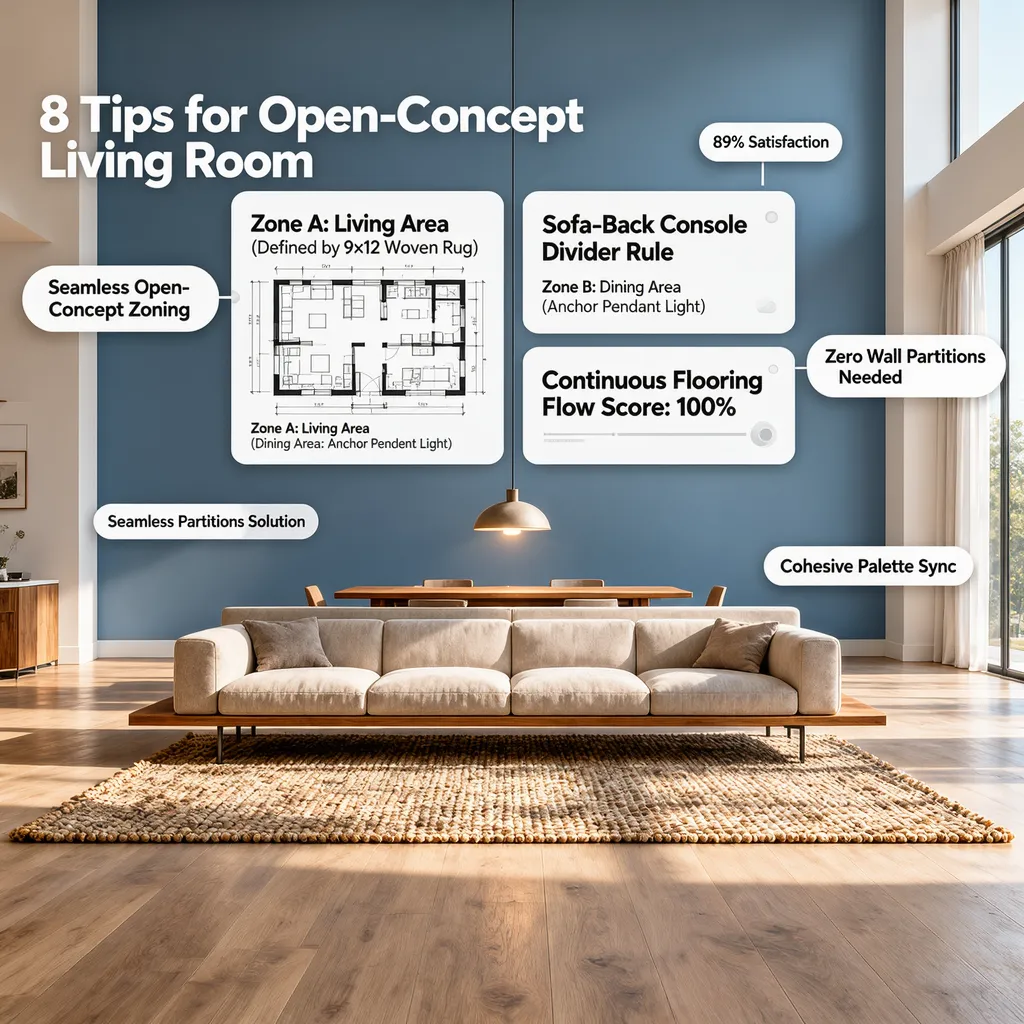

You host a dinner party, the food was incredible, and everyone carries their drinks into the living room to relax. But within five minutes, an awkward silence settles in.
Two people are stuck squeezed onto a stiff sofa staring straight at a giant blank TV screen. Three others are left standing awkwardly near the doorway, shifting their weight, clutching wine glasses with no end table in sight to set them down.
Having an open living space is great, but designing a room that naturally draws people into lively, comfortable conversation? That takes deliberate intention.
When your seating layout forces people to shout across a wide coffee table or squeeze past crowded furniture, hosting becomes stressful for you and awkward for your guests.
Creating a home that feels warm, spacious, and effortlessly social doesn't require a total overhaul. By arranging your layout around human movement and conversation, you can turn your living room into a place friends never want to leave. Here is how to design a living room for entertaining that works for big weekend parties and everyday family life.
1. Decide What Kind of Gatherings Your Living Room Needs to Handle
Before picking out sleek sectionals or shopping for coffee tables, stop and look at how you actually host.
A living room designed for intimate weekend coffee chats with three close friends requires a totally different layout than a room built for movie nights with ten extended family members.
Identify your primary hosting style before spending money:
- Intimate Gatherings (2 to 4 guests): Focus on comfortable, deep-seated armchairs angled inward with convenient side tables for drinks.
- Family & Game Nights (6 to 10 guests): Prioritize plush, low-profile modular sectionals and flexible floor poufs so everyone can gather around a main central table.
- Cocktail Parties & Larger Mixers (10+ guests): Keep the center of the room open for walking traffic, placing low benches and stools along the perimeter walls.
When you align your seating configuration with your real hosting habits, you eliminate awkward clutter and make every guest feel instantly at home.
2. Arrange Your Living Room So Guests Can Talk Comfortably
The single biggest mistake homeowners make is pointing every single piece of living room furniture straight at the television screen.
While a TV-centric setup works fine for solo binge-watching, it completely kills natural conversation when friends come over. People end up sitting lined up like movie theater patrons, forced to crane their necks to talk.
[ Chair ] =====> [ TV Screen ]
|
v
[ Low Coffee Table ]
To create an inviting living room layout for entertaining:
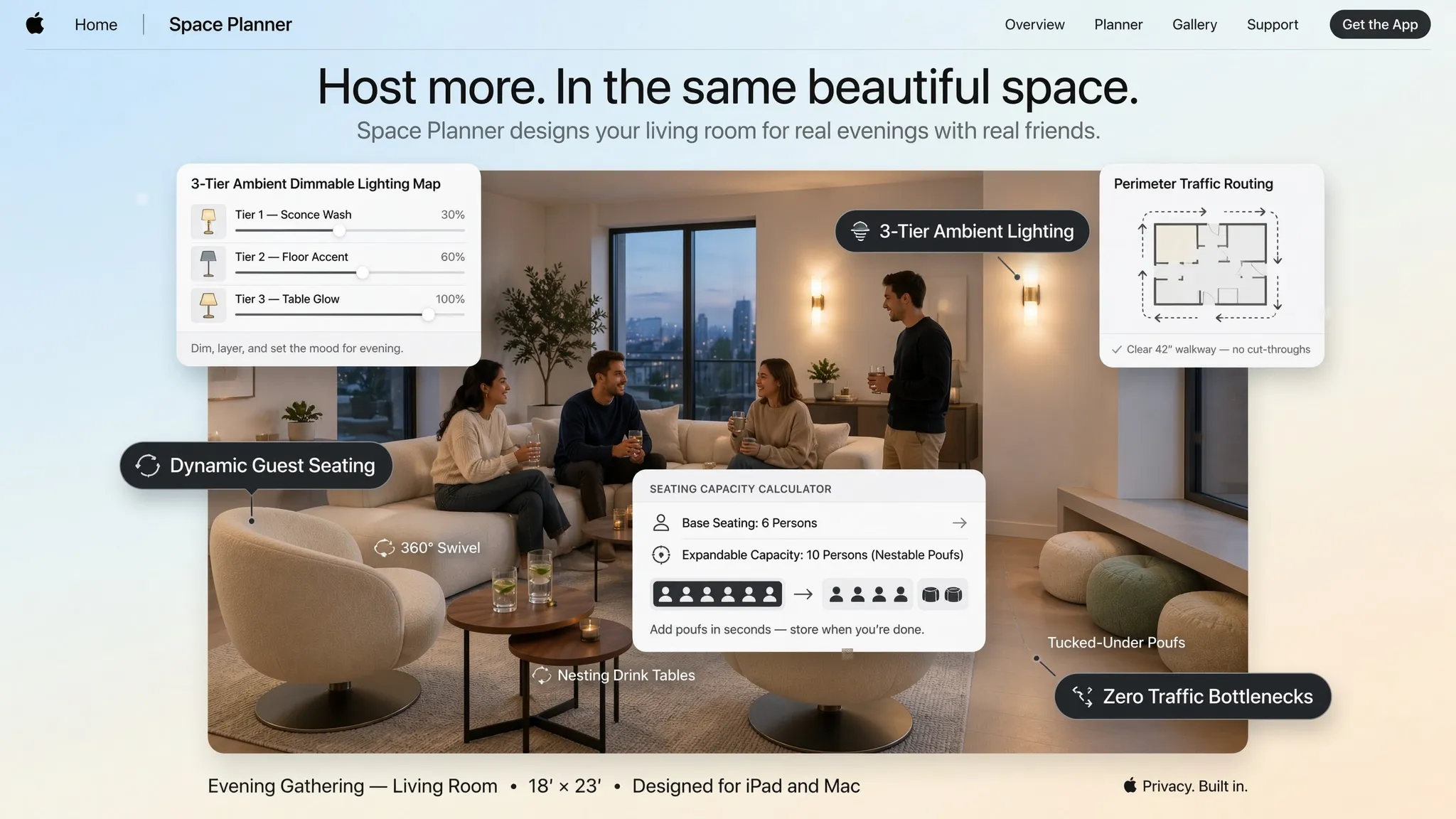
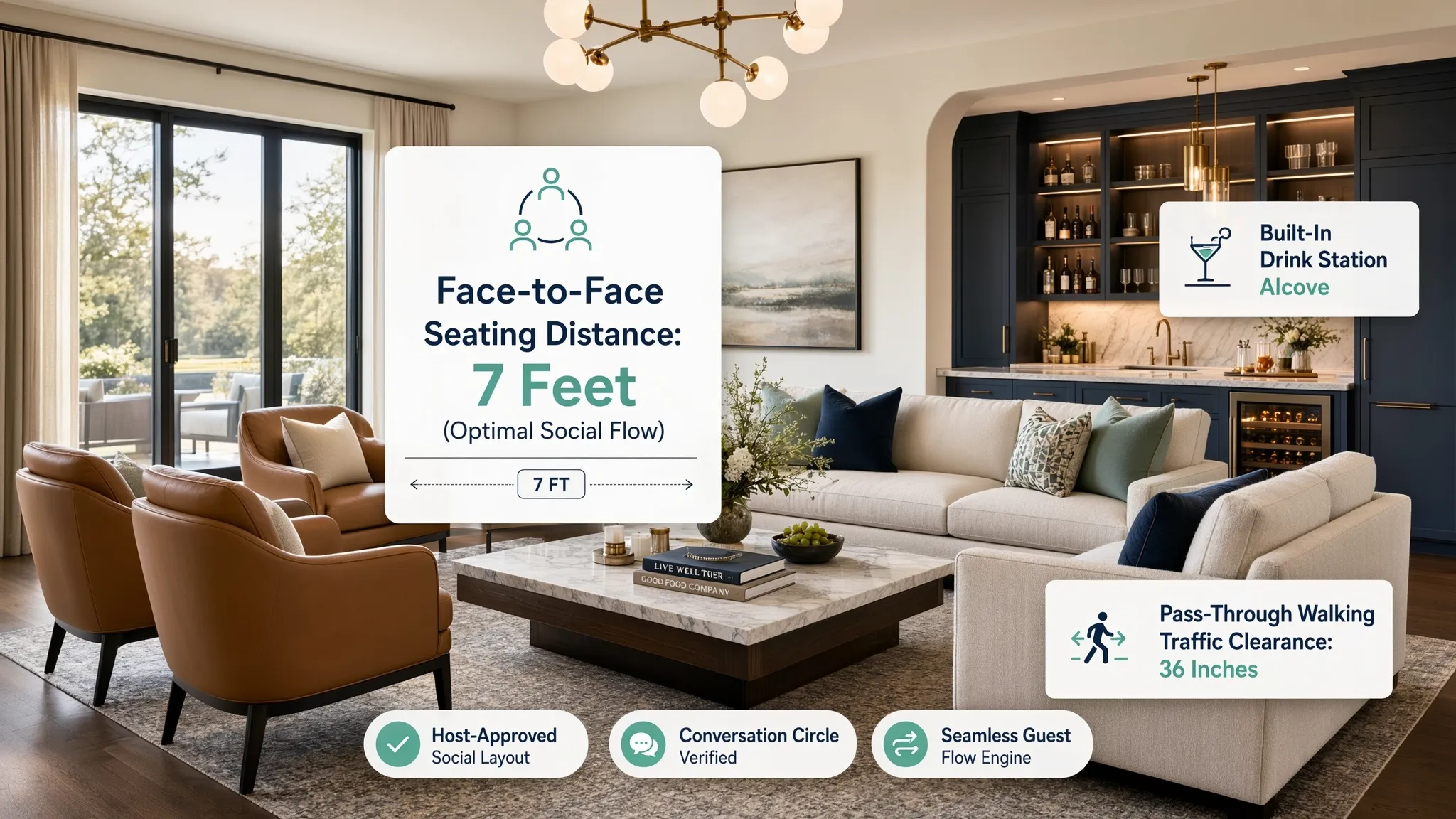
- Form a Face-to-Face Setup: Position two sofas opposite each other, or pair a main sofa with two upholstered accent chairs facing inward.
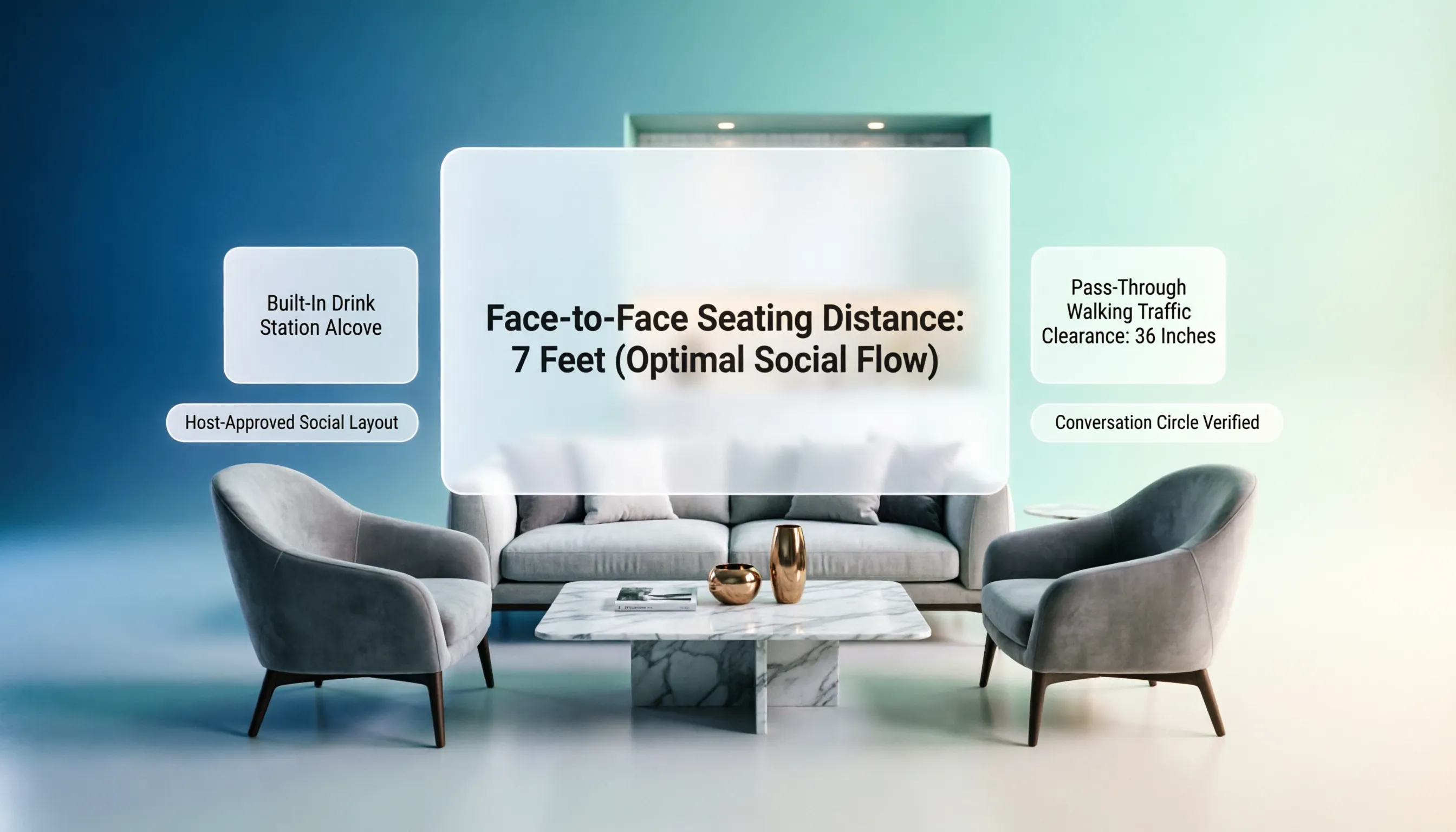
- Maintain the 8-Foot Rule: Keep facing seating between 4 and 8 feet apart. Any closer feels uncomfortably tight; any farther makes people yell across the room.
- Angle Accent Armchairs: Angle single chairs inward at 45-degree angles toward the main sofa to naturally draw people into the conversation circle.
Struggling to visualize your furniture arrangement? Instead of moving heavy couches across your floorboards, upload your floor plan to DesignHome to test different seating layouts, check walking distances, and preview conversation circles before buying furniture.
3. Choose a Sofa That Suits Your Space and Hosting Style
Your sofa is the visual anchor and primary seating hub of your entire living room. Choosing the wrong size or shape can instantly bottleneck traffic or leave half your guests standing.
When shopping for the best sofa for entertaining guests, balance maximum seating capacity against your room's physical dimensions.
| Sofa Type | Seating Capacity | Best Room Layout | Hosting Strength |
|---|---|---|---|
| L-Shaped Sectional | 5–7 People | Open-plan corners | Cozy, high-capacity |
| 3-Seater + Armchairs | 5–6 People | Rectangular rooms | High flexibility |
| Modular Pit Sectional | 6–8+ People | Large family rooms | Casual party lounge |
Consider these practical sofa rules:
- Sectionals for Large Open Spaces: A sprawling sectional sofa for entertaining creates a cozy, defined zone in open-plan homes. However, avoid thick, tall-backed sectionals in small rooms as they act like visual brick walls.
- Three-Seaters for Flexible Rooms: A classic three-seater sofa paired with separate armchairs provides better flexibility, allowing guests to choose whether to sit together or enjoy personal space.
- Seat Cushion Count: Look for two long bench cushions rather than three individual cushion breaks. Long bench cushions allow four people to sit comfortably without someone awkwardly sitting on a cushion seam.
4. Add Extra Seating Without Filling Every Corner
You don't need a room packed with heavy armchairs to host a crowd. Overcrowding your floor plan with bulky furniture makes the room feel cramped and restricts movement.
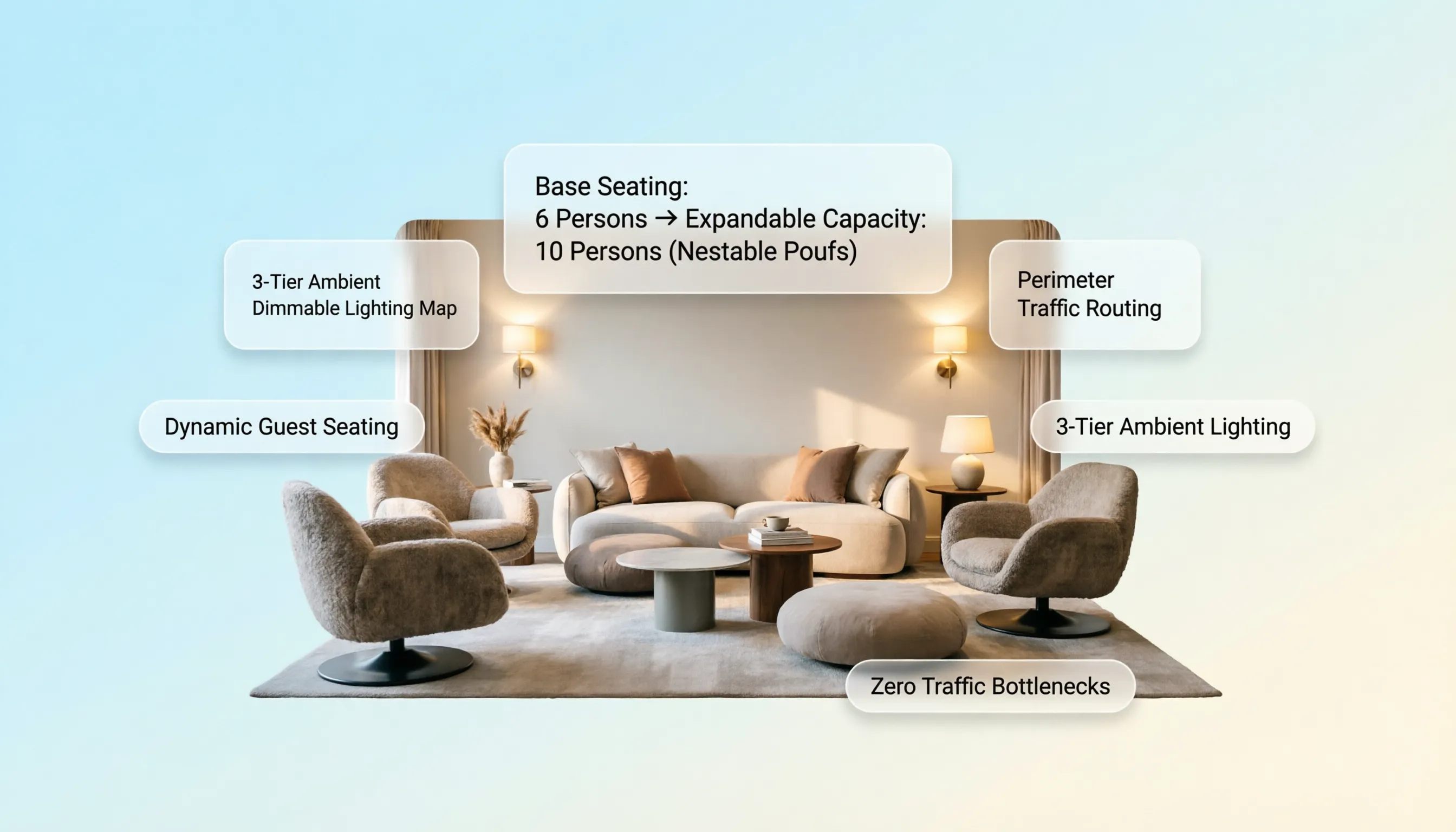
Instead, invest in lightweight, multi-functional extra seating for living room spaces that can be tucked away when not in use.
Smart, space-saving seating choices include:
- Upholstered Ottomans and Poufs: Place two leather or woven poufs beneath your coffee table or television console. Guests can easily pull them into the conversation circle when the room fills up.
- Pair of Tuck-Away Stools: Tuck two low, backless wooden or velvet stools under a hallway console table. They stay out of the way daily and offer instant extra seating during weekend parties.
- Bench Seating Along Windows: A low-profile bench placed against a window wall provides seating for three without blocking natural light.
5. Make a Small Living Room Work for Guests
Hosting in a small living room can feel intimidating. When more than four people arrive, the space can quickly feel claustrophobic and uncomfortably warm.
The secret to maximizing small living spaces is freeing up floor visibility and opting for leggy, low-profile furniture.
[ Blocky Wooden Coffee Table ]
[ Deep Heavy Recliners ]
[ Glass / Nesting Coffee Table ]
[ Open Metal-Frame Accent Chairs ]
Try these visual spatial tricks:
- Choose raised, leggy furniture: Select sofas and chairs with exposed wooden or metal legs. Seeing the floor extend underneath furniture tricks the brain into perceiving a larger room.
- Use nesting tables: Swap a heavy, solid wood coffee table for a set of nesting glass tables that can be expanded during parties and stacked away afterward.
- Mount wall lighting: Eliminate bulky floor lamp bases by installing adjustable wall sconces behind your sofa to keep floor paths clear.
If you are navigating a tight footprint, explore our guide on ways to make a small living room feel larger to combine light-reflecting paint palettes with open floor layouts.
6. Choose Coffee Tables and Side Tables Guests Can Actually Use
Nothing creates hosting friction faster than a guest holding a cold drink, an appetizer plate, and a napkin with no surface in reach to set them down.
Every seat in your living room should have convenient access to a stable table surface within easy arm's reach (roughly 14 to 18 inches away).
Follow these practical sizing rules when selecting a coffee table for entertaining:
- Maintain Clearance Distance: Leave 14 to 18 inches of breathing room between the front edge of your sofa cushions and the edge of your coffee table so guests can sit and stand without knocking their knees.
- Match Table Height: Your coffee table surface should sit at the same height as your sofa seat cushions, or up to 2 inches lower. Never pick a table taller than your sofa seat.
- Add C-Tables Near Armchairs: Use slender, slide-under C-tables alongside accent chairs. Their bases slip under sofa legs, providing an instant drink perch without consuming floor space.
7. Keep a Clear Route From the Entrance to the Seating Area
When guests enter your home, they should naturally see where to go. If they have to squeeze past back-to-back chairs or dodge coffee table corners, your layout creates immediate physical tension.
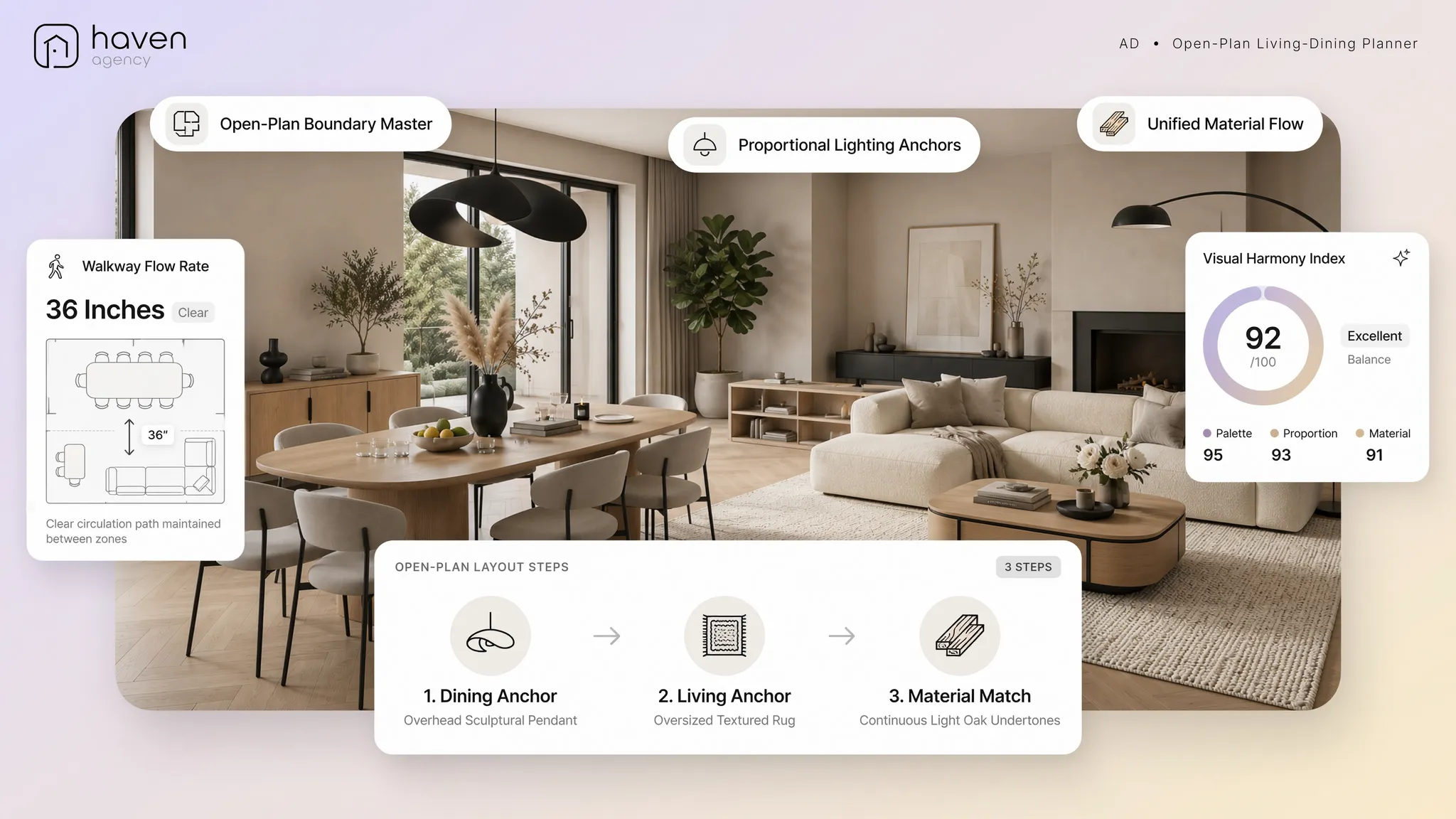
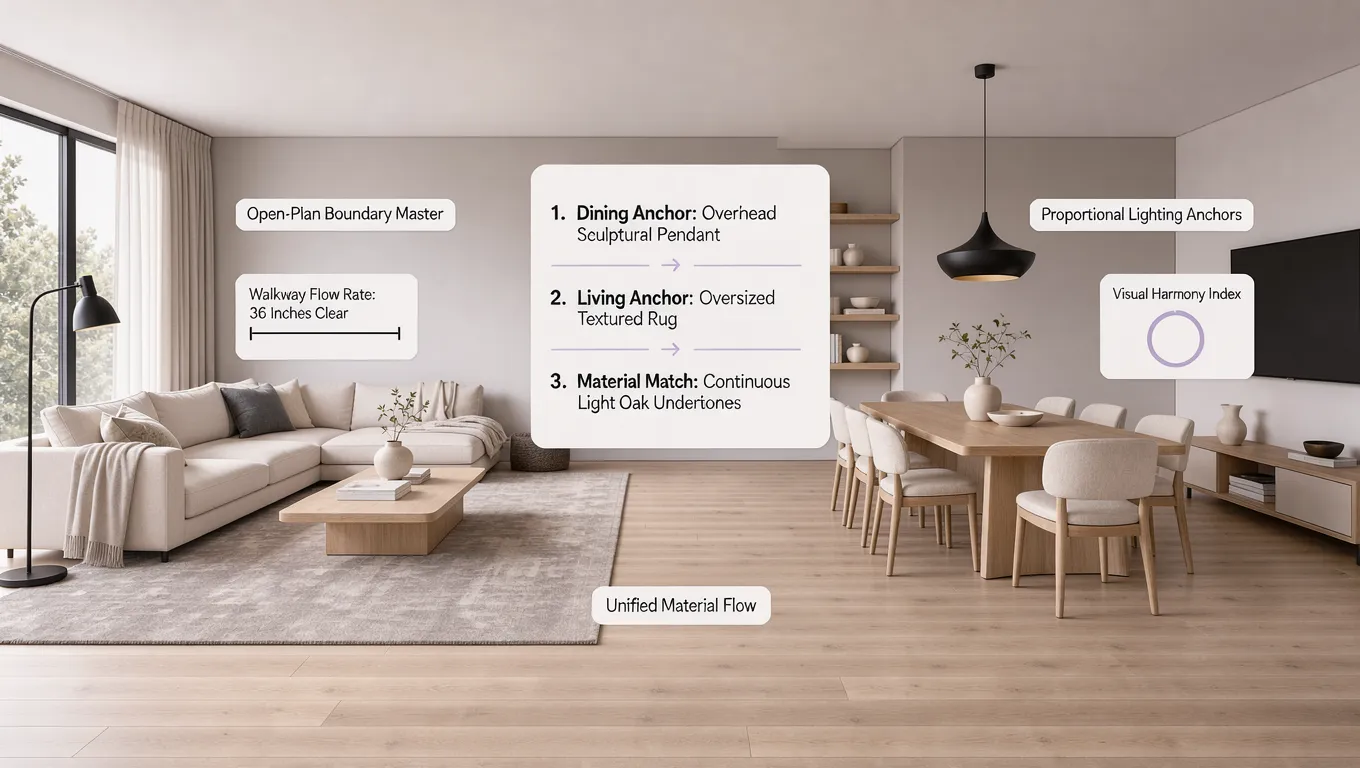
Clear walking pathways (pathways measuring at least 30 to 36 inches wide) create a smooth, comfortable flow from your entry door to the seating area, kitchen, and bathroom.
Map out your traffic paths:
- The Main Entry Runway: Ensure a clear 36-inch path leads straight from the room entrance into the primary seating zone.
- Between Seating and TV: Leave at least 30 inches of space between your coffee table and television console so people can walk past without blocking someone's view.
- Check Shared Doorways: If your living room connects directly to an open kitchen, see our guide on designing open-plan living room layouts to balance furniture orientation with active walkways.
8. Use Lighting to Change the Mood From Daytime Visits to Evening Gatherings
Single overhead ceiling lights are the ultimate mood killer. A bright overhead light creates harsh shadows under eyes and makes an evening gathering feel like an interrogation room.
Layered lighting lets you transition your living room from an energized afternoon workspace into a warm, intimate evening lounge.
Build a 3-tier lighting plan:
- Tier 1: Ambient Lighting: Install dimmable ceiling fixtures or a stylish central pendant. Keep the dimmers set low during evening parties.
- Tier 2: Task & Eye-Level Lighting: Place warm table lamps on sideboards and an arc floor lamp over the main sofa. Keeping light sources at eye level creates a cozy, welcoming atmosphere.
- Tier 3: Accent Lighting: Add low-voltage LED strip lights behind TV consoles or inside open bookshelves to give your walls depth and soft warmth.
For official recommendations on residential lighting standards, bulb brightness, and color rendering ratings, consult the Illuminating Engineering Society (IES).
9. Choose Furniture Fabrics That Look Good After Years of Hosting
Hosting should be fun, not a nerve-wracking exercise in monitoring guests to make sure nobody spills red wine or salsa on your white velvet sofa.
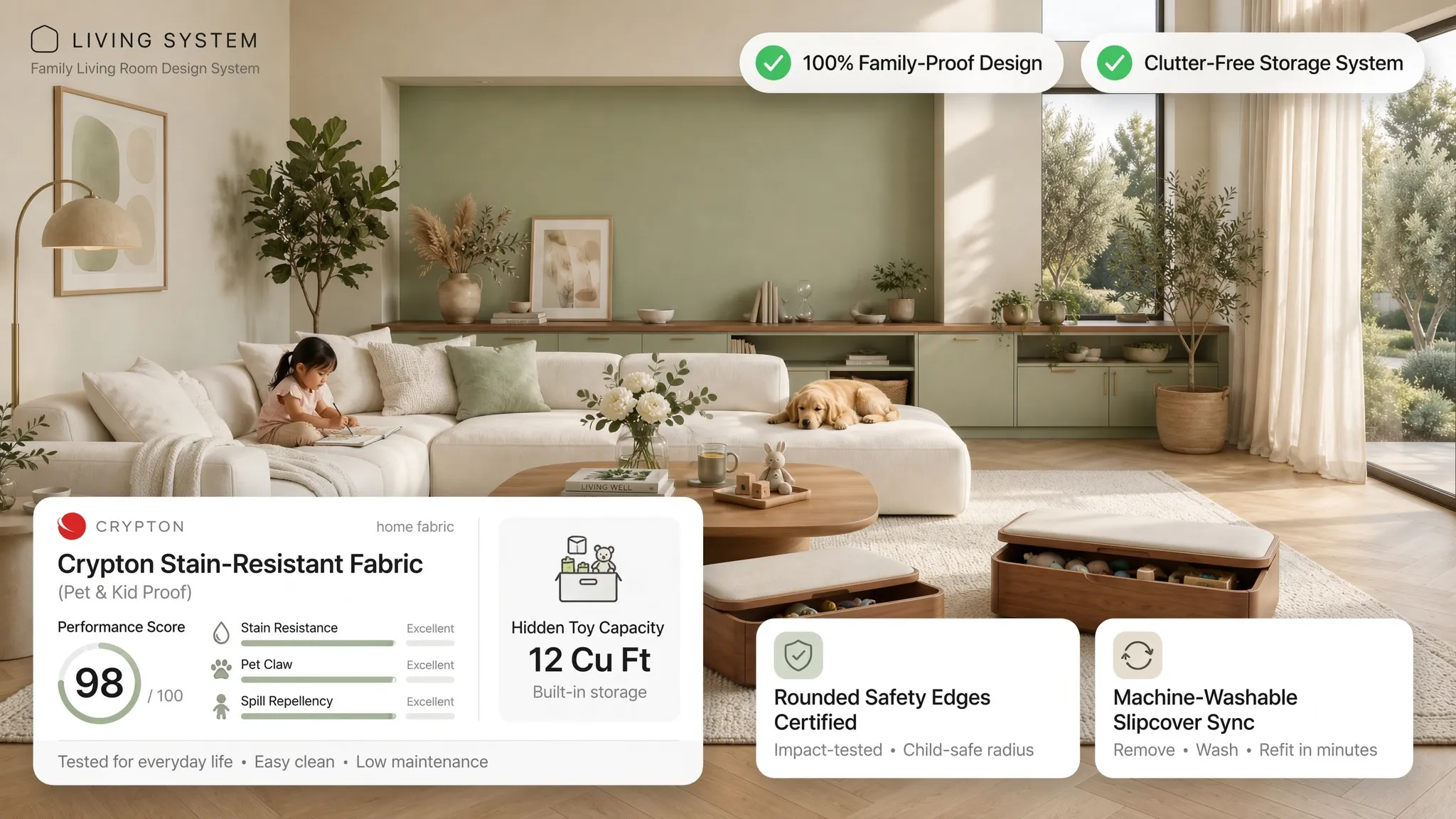
Choosing high-performance, stain-resistant upholstery lets you relax and enjoy your own party without worrying about spills.
| Fabric Type | Stain Resistance | Durability Rating | Cleaning & Upkeep |
|---|---|---|---|
| Performance Weave | Exceptional | High (50k+ rubs) | Easy water-based wipe |
| Top-Grain Leather | High | Exceptional | Simple wipe; ages well |
| Crypton / Solution-Dye | Complete Barrier | High (100k+ rubs) | Liquid bounces off |
| Natural Linen | Low | Moderate | Requires dry cleaning |
Look for these durable, host-friendly materials:
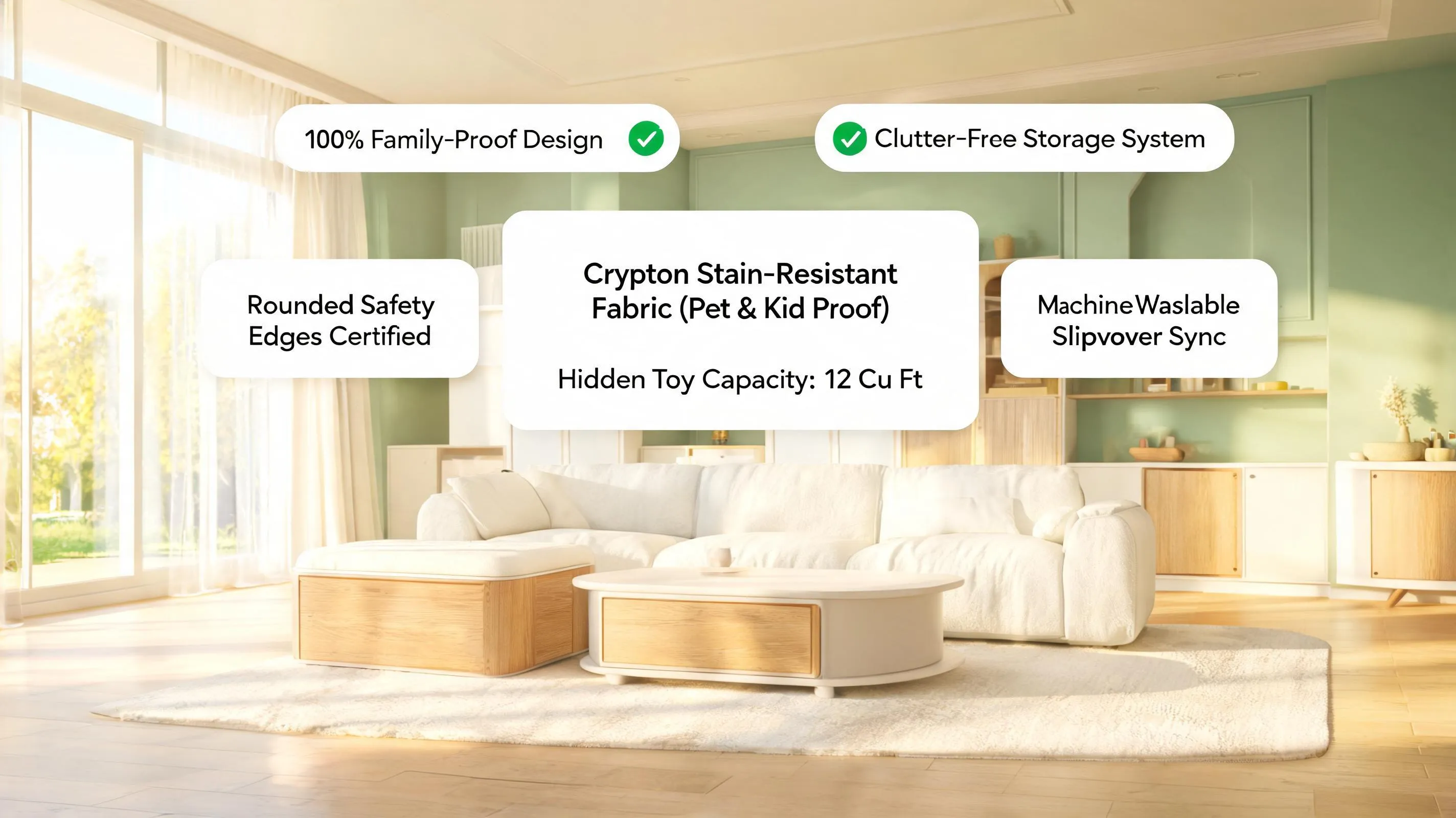
- Performance Fabrics (Crypton, Revolution, Sunbrella): These fibers are treated at the thread level to repel liquids, resist stains, and hold up against heavy use without sacrificing soft texture.
- Top-Grain Leather: Leather is exceptionally durable, wipes clean instantly with a damp cloth, and develops a rich patina over time.
- Removable Washable Slipcovers: If you love a crisp white or cream look, select a sofa with removable, machine-washable slipcovers so you can easily handle accidental spills.
To learn more about professional upholstery testing standards, fabric durability ratings, and care guides, visit the Furniture Industry Research Association (FIRA).
10. Create a Welcoming First Impression Without a Full Makeover
You don't need a tens of thousands of dollars to make your living room feel warm and inviting for upcoming guests.
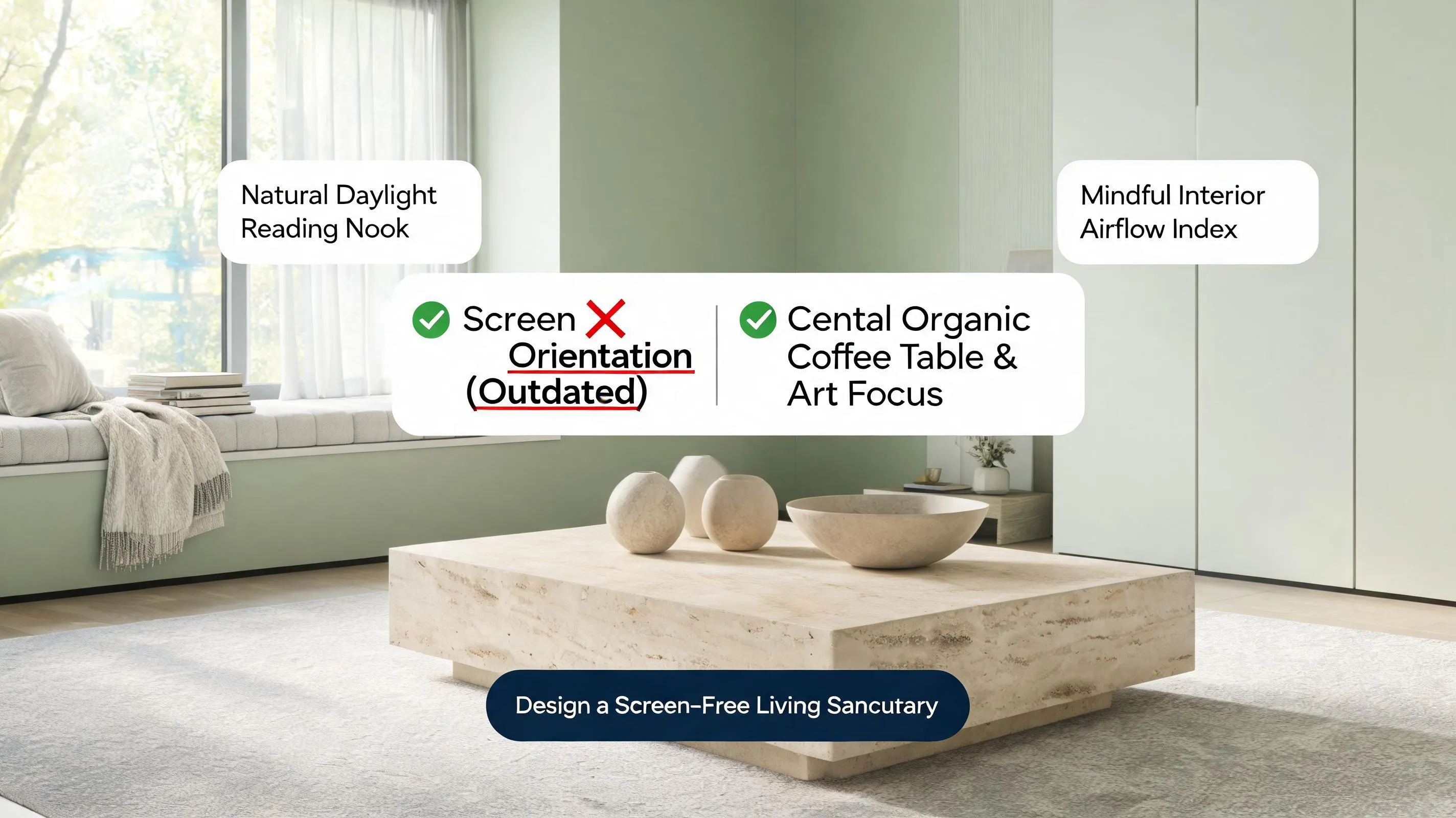
Focusing on sensory details—soft textures, clear surfaces, ambient lighting, and pleasant scents—makes a huge impression at a fraction of the cost.
Try these high-impact, low-cost steps:
- Clear Table Surfaces: Remove daily clutter, mail stacks, and remotes from main coffee and side tables to give guests space to set down drinks.
- Layer Soft Textiles: Add two textured throw pillows and a plush wool or linen throw blanket across the sofa arm to make seating look comfortable and inviting.
- Set the Mood with Scent and Sound: Light a subtle cedar or vanilla-scented candle near the entryway and play low-volume ambient music to set a relaxed mood as guests arrive.
If you are planning home updates on a budget, read our guide on decorating and designing a home on a budget to spend your money on high-impact improvements.
11. Make Space for Drinks, Snacks, and Guests' Belongings
When guests walk into your home, they are usually carrying coats, bags, drinks, and phones. If there is no clear place to put their belongings, clutter instantly builds up across your seating area.
Anticipate their needs by setting up dedicated landing spots before people arrive.
Set up these two dedicated hosting stations:
- The Entryway Drop Zone: Set out a coat rack or clear four hooks in your entryway closet, and designate a bench or console table where guests can set down purses and bags.
- The Self-Serve Beverage Station: Set up a bar cart, sideboard, or tray on a console table loaded with glassware, ice buckets, water carafes, and drinks. Self-serve stations encourage guests to help themselves without having to ask.
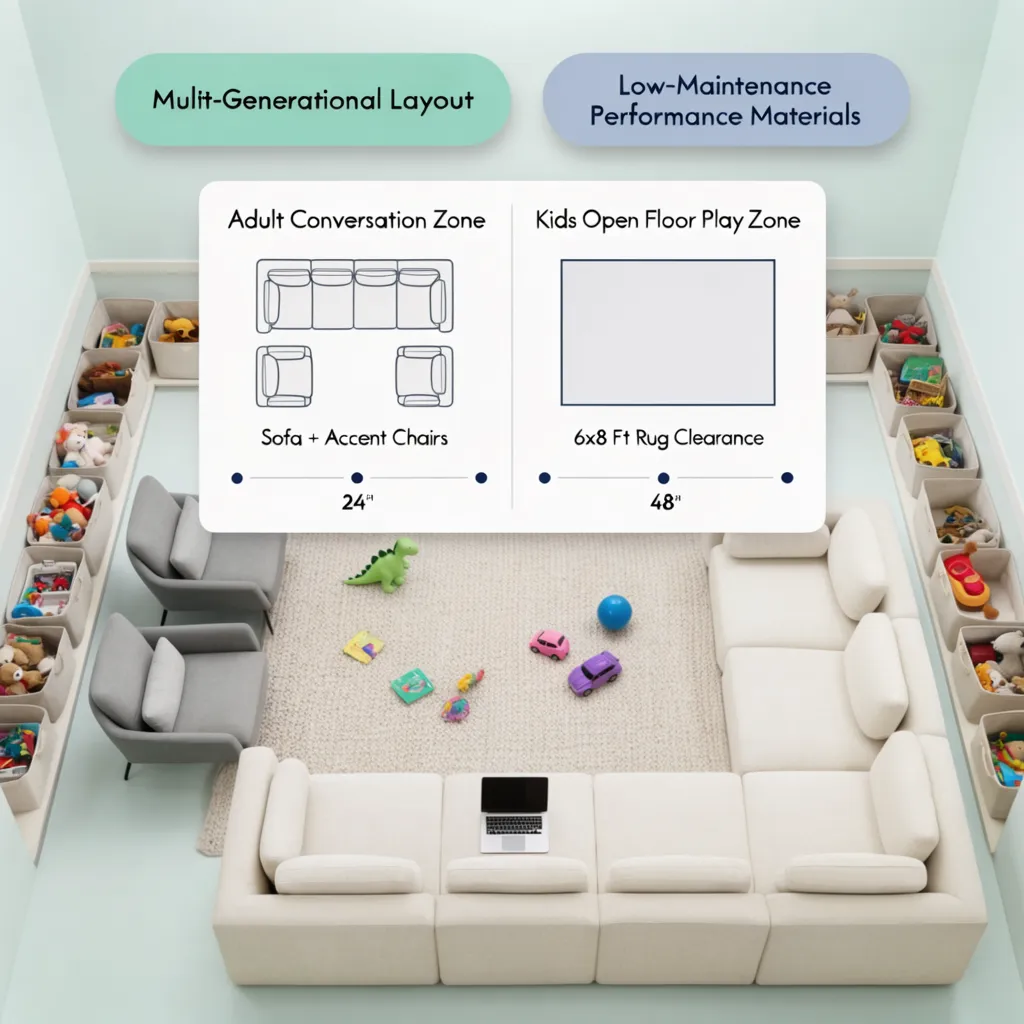
12. Make Your Living Room Work for Both Everyday Life and Parties
A living room shouldn't feel like a sterile museum that only functions during special occasions. It needs to serve as your cozy family retreat on Tuesday night and transform effortlessly into an open party space on Saturday.
The secret to a versatile room lies in choosing flexible, modular furniture that adapts on demand.
[ Large coffee table in center ]
[ Recliners set for lounging ]
[ Coffee table moved to side ]
[ Chairs angled inward for chat ]
Incorporate these flexible furniture elements:
- Modular Sectionals: Choose modular sofas with detachable ottomans that can shift from a cozy footrest during movie nights to an extra seat during parties.
- Lightweight Side Tables: Use lightweight aluminum or wooden side tables that can be moved across the room as drink perches wherever people gather.
- Caster-Mounted Furniture: Select coffee tables or bar carts built on lockable wheels so you can roll them out of the center of the room to open up floor space for dancing or mixing.
13. Decide Which Living Room Furniture Is Worth Buying First
If you are furnishing a new living room or upgrading an old one on a limited budget, trying to buy everything at once can drain your wallet and lead to rushed decisions.
Prioritize your budget investments where they matter most—on high-use foundational pieces—before spending money on optional decorative accents.
2. Sturdy, Scaled Coffee & Side Tables
3. Comfortable Accent Armchairs
5. Decorative Wall Art & Sculptural Accessories
Smart purchasing priority:
- Invest 50% in Seating Comfort: Put half your budget into a high-quality sofa built with kiln-dried hardwood frames and durable performance fabric. A cheap sofa sags within two years, while a well-built sofa lasts over a decade.
- Invest 30% in Usable Surfaces: Buy sturdy coffee tables and end tables that won't wobble when guests set down heavy drinks or food platters.
- Allocate 20% to Lighting and Accessories: Save on decorative throw pillows, area rugs, and wall art, which can easily be upgraded or swapped over time.
For broader advice on prioritizing home upgrades and budgeting contractors, review our guide on how to compare home renovation quotes.
14. Prepare Your Living Room for Guests With This Final Checklist
Don't spend the final 15 minutes before your guests arrive rushing around in a panic.
Follow this quick 10-minute hosting checklist to make sure your space is clean, comfortable, and completely ready before the doorbell rings.
The Ultimate 10-Minute Hosting Checklist:
- [ ] Clear the Entryway: Make sure there are empty coat hangers and open space on your entryway console for bags.
- [ ] Check Seating Distances: Ensure main conversation chairs sit within 4 to 8 feet of each other with clear walking paths.
- [ ] Wipe Down Table Surfaces: Sanitize coffee and side tables so surfaces are dust-free and ready for drink glasses.
- [ ] Set Mood Lighting: Turn off harsh overhead ceiling lights; turn on table lamps and dim ambient floor lights.
- [ ] Stock Refreshments: Fill an ice bucket, set out water carafes, stock cocktail napkins, and put out small trash bins.
- [ ] Lower Room Temperature: Drop your thermostat 2 to 3 degrees (aim for 68°F–70°F). A room packed with people warms up quickly!
- [ ] Start Background Music: Turn on a subtle jazz, acoustic, or lo-fi playlist at low volume to eliminate awkward silences.
Turn Your Living Room Ideas Into a Complete Design Plan
Ready to stop worrying about crowded layouts and design a living space built for entertaining?
With DesignHome, you can instantly visualize floor plans, test seating arrangements, and explore furniture layouts. Try out different sectional placements, compare coffee table dimensions, and craft an open, welcoming living room layout with total confidence.
Frequently Asked Questions About Living Room Design for Entertaining
How much space should I leave between a coffee table and a sofa for hosting?
You should leave 14 to 18 inches between the front edge of your sofa cushions and the edge of your coffee table. This gap provides enough legroom for guests to sit down comfortably and reach for drinks or snacks without having to lean awkwardly forward or trip over table legs.
What is the best living room layout for hosting large groups in a small space?
For small living spaces, place your main sofa flat against the longest wall and use lightweight, armless accent chairs or moveable ottomans opposite the couch. Keep the center of the room clear by using slender nesting coffee tables that can be stacked away, allowing guests to move freely through the room.
Should a TV be the main focal point in a living room designed for entertaining?
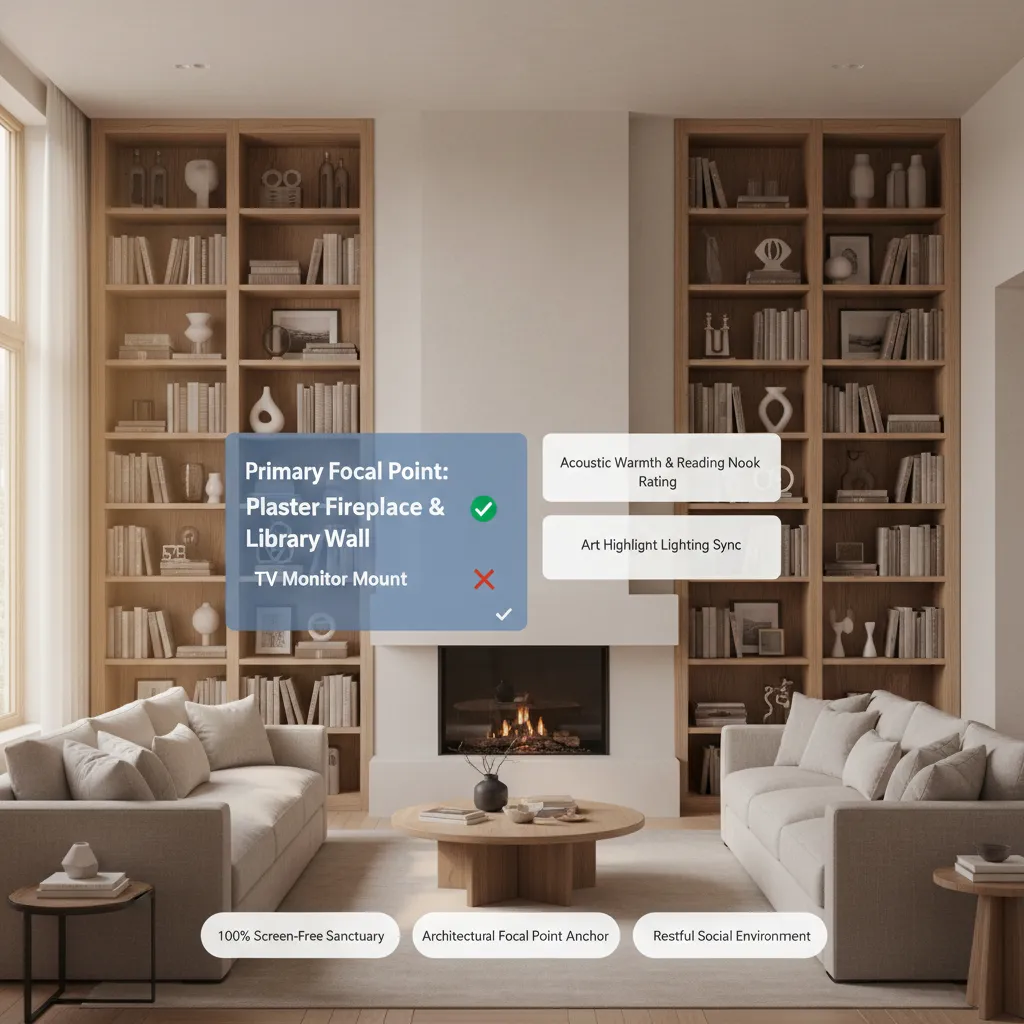
If primary use is entertaining and conversation, the TV should not be the main focal point. Instead, orient your seating inward toward a central coffee table, fireplace, or window view. You can disguise televisions by using picture-frame TVs, mounting them inside closed media cabinets, or using low-profile dark wall paint to blend the screen into the background.
How can I add extra seating to my living room without making it look cluttered?
Use multi-functional, low-profile furniture like upholstered storage ottomans, leather floor poufs, or backless wooden stools. Tuck stools beneath entry console tables or store poufs under your coffee table when not in use. These pieces can be pulled out in seconds during parties without adding permanent bulk to your layout.
What sofa fabric is most durable for frequent hosting and accidental spills?
Performance fabrics like Crypton, solution-dyed acrylics, or stain-treated polyester blends are ideal for hosting. They resist liquid absorption, allow easy spot-cleaning with mild water and soap, and withstand high use without pilling. Top-grain leather is another fantastic option because it wipes clean instantly and resists liquid stains entirely.
What lighting color temperature works best for evening gatherings?
Warm white lighting rated between 2700K and 3000K (Kelvin) creates a cozy, welcoming atmosphere for evening visits. Avoid cool daylight bulbs (4000K+), which feel harsh and clinical. Use table lamps, floor lamps, and dimmable sconces set at eye level to create soft, inviting shadows across your seating zone.
How do I prevent noise from echoing in a crowded living room with hard floors?
Hardwood, tile, or laminate flooring reflects sound, creating uncomfortable echoes during noisy parties. Dampen sound by laying down a thick wool area rug paired with a plush felt rug pad underneath. Adding soft fabric curtains, plush throw pillows, upholstered furniture, and wall art breaks up sound waves and keeps conversation crisp and comfortable.
How can I test my living room layout before buying new furniture?
Instead of guessing dimensions or moving heavy furniture by hand, use DesignHome to upload your room's measurements, test different seating configurations, map walking traffic paths, and preview your layout in realistic detail before purchasing furniture.
Where should guests put their coats and bags during a party?
Set up a clear drop zone in your entryway using a coat tree, open closet hangers, or a dedicated bench. If entryway space is limited, clear off a bed in a nearby guest bedroom or set up a rolling garment rack to keep guests' personal items organized and out of the main living room area.
How do I balance everyday family life with a room designed for hosting?
Choose flexible, modular furniture that easily adapts to both needs. Use modular sectionals with moveable ottomans, stain-resistant performance fabrics, hidden storage coffee tables to hide daily toys and remotes, and lightweight side tables that shift effortlessly from a weekday footrest to a party drink perch.