
You step out onto your back patio at 2:00 PM, holding an iced drink and looking forward to ten minutes of quiet relaxation.
Five seconds later, high-noon heat hits you like an oven door opening. The sun glares off the concrete pavers, the metal patio chairs are too hot to touch, and squinting against the blinding light gives you an instant tension headache. You retreat right back inside, slide the glass door shut, and look out the window at a sun-baked yard that sits completely empty all afternoon. You lean against the kitchen counter, take a sip of water, and ask yourself: Why am I wasting half my property for months at a time just because the sun won't let up?
Here is the truth about modern outdoor space: mastering backyard shade ideas isn't about blocking out the sky—it is about placing engineered canopies, louvers, and natural overhead foliage exactly where high-noon sun hits hardest so you can live comfortably outside.
An outdoor space fails when unshaded dining tables bake in direct heat, when low afternoon sun cuts under bare patio roofs, and when bulky umbrella bases trip up family members in tight walkways. By auditing your yard's natural sun angles, mounting tensioned shade sails, installing louvered pergolas, and layering side privacy drapes, you build an inviting, high-performance outdoor sanctuary that drops ambient deck temperatures by up to 15 degrees.
Whether you are cooling a small townhouse slab or styling an expansive poolside deck, here is how to zone, layer, and execute your shaded retreat step by step.
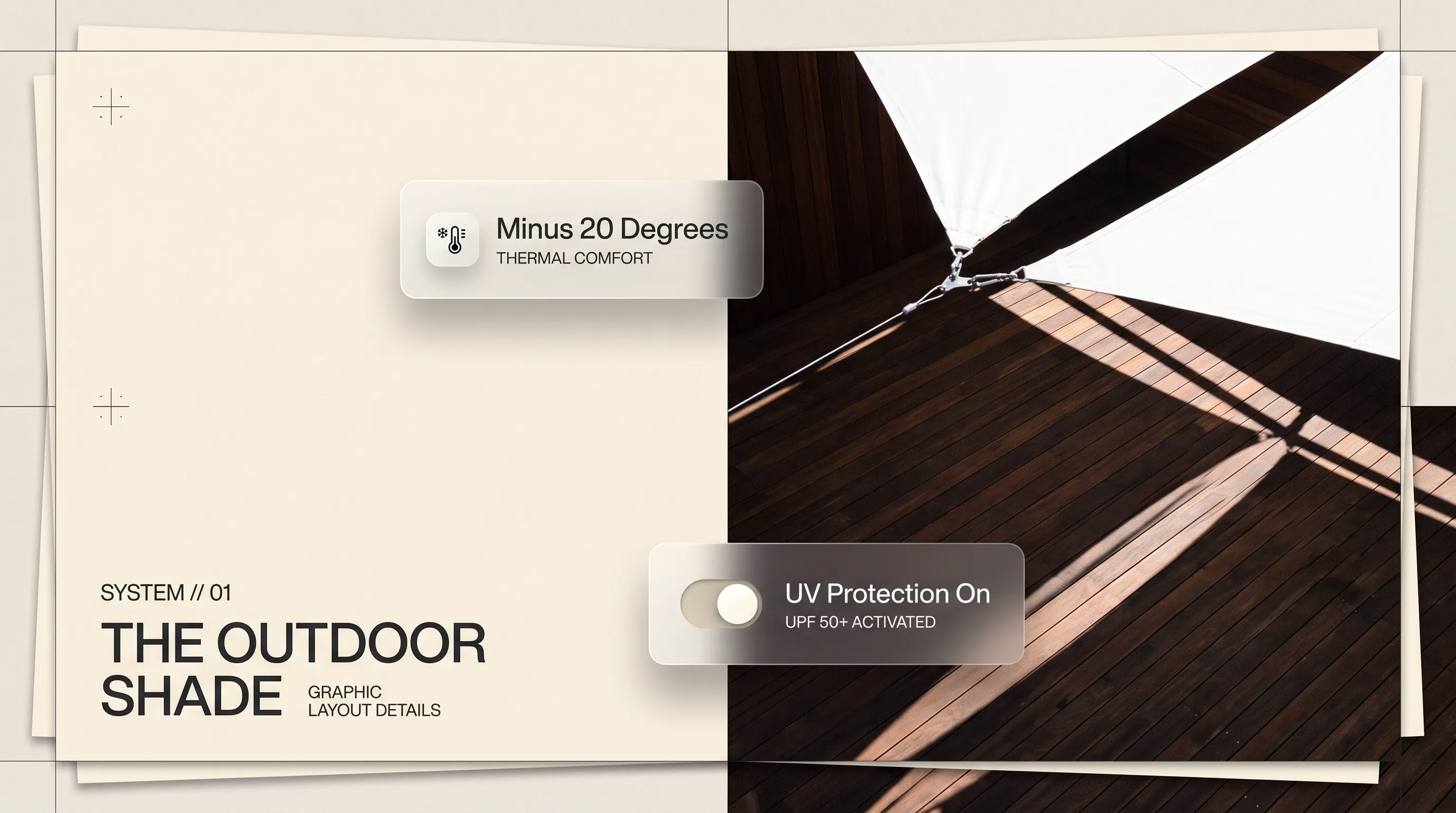
1. Backyard Shade Ideas That Make Outdoor Spaces More Comfortable
Before buying patio umbrellas or booking contractors to build permanent roofs, take a moment to evaluate how intense sun exposure dictates your daily schedule.
Most open yards fail because homeowners leave sitting and eating areas totally exposed, forcing everyone indoors during peak sun hours.
To execute high-impact backyard shade ideas and deploy long-lasting backyard shade solutions, anchor your plan around three core rules:
- Target Core Functional Destinations: Position overhead shade directly above high-use zones—like dining tables, lounge sofas, and grill stations—rather than trying to cover open grass.
- Block High-Noon and Low-Angle Rays: Pair overhead structural canopies with vertical side shades to block harsh 2:00 PM sun and low 6:00 PM glare.
- Maintain Free-Air Circulation: Choose breathable High-Density Polyethylene (HDPE) fabrics or louvered roofs that let trapped hot air rise and escape freely.
Explore our architectural strategies for concealed home office ideas to learn how spatial proportion principles transform living spaces inside and out.
2. Find the Areas of Your Backyard That Need Shade Most
Trying to build an massive roof over your entire yard swallows up your budget and blocks pleasant morning light from reaching your interior windows.
Executing a smart backyard shade planning strategy and placing targeted shade for outdoor seating starts with auditing how light shifts across your property throughout the day.
Follow this 3-step diagnostic to map your sun patterns:
- Track hourly shadow lines: Note where shadows fall across your patio at 10:00 AM, 2:00 PM, and 6:00 PM before anchoring any permanent posts.
- Locate primary heat reflectors: Identify concrete slabs, glass sliding doors, or brick walls that absorb sunlight and radiate heat straight into sitting areas.
- Check interior daylight impact: Ensure fixed overhead structures won't turn your indoor kitchen or living room into a dark cave during winter months.
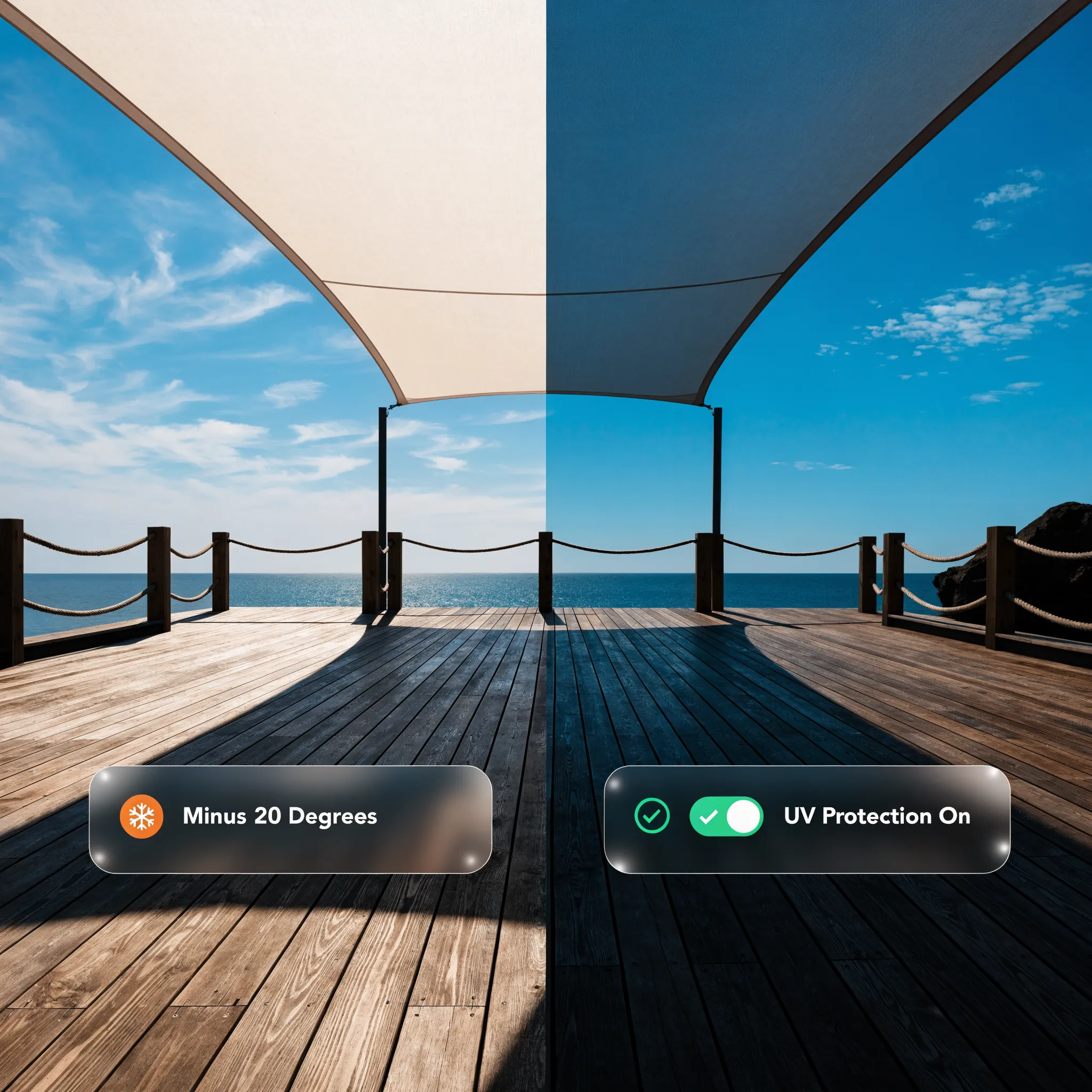
3. Install a Pergola to Create a Defined Shaded Outdoor Area
If you want an architectural structure that anchors your patio while delivering controllable sun protection, a modern pergola is an exceptional upgrade.
Gathering backyard pergola ideas and selecting versatile pergola shade ideas transforms an open hardscape into a luxurious outdoor room.
• Zero protection against rain showers
• Requires annual wood sealing & staining
• Seals 100% watertight with built-in gutters
• Rust-proof powder-coated aluminum finish
Pergola execution rules:
- Specify Motorized Louvered Roofs: Choose aluminum pergolas with adjustable louvers. Rotate louvers to catch cool morning rays, angle them to block harsh midday heat, or seal them completely shut during sudden summer rainstorms.
- Anchor Posts to Structural Foundations: Secure timber or aluminum support posts into concrete footings or lag-bolt them directly into structural deck joists to withstand high wind loads safely.
- Train Deciduous Vines for Natural Shade: Plant wisteria or grapevines along traditional open-timber pergolas. Vines fill out with thick leaves during hot summer months and drop foliage in winter to let warm sunlight pass through.
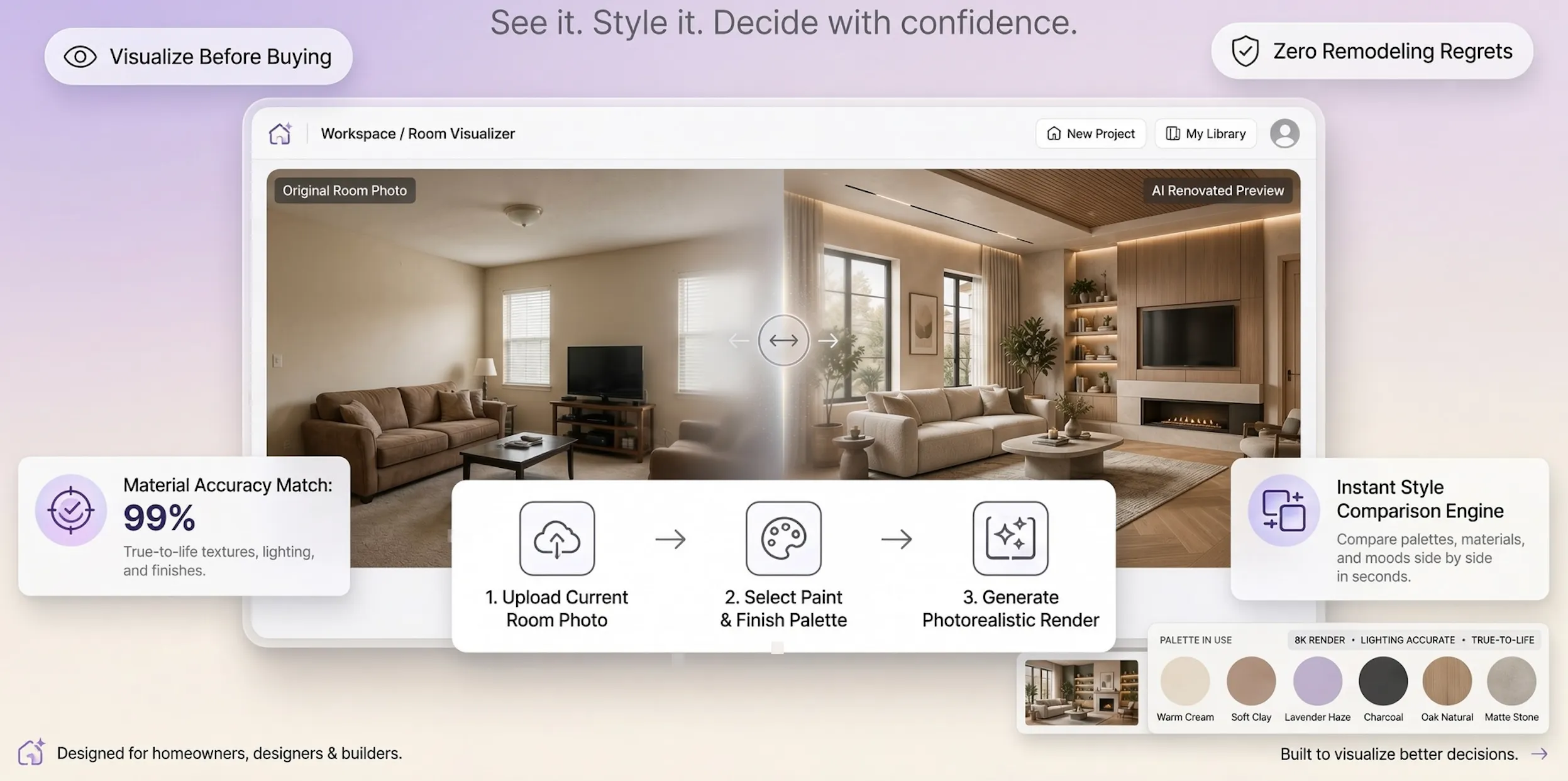
Visualize Your Shaded Sanctuary in Seconds
Struggling to test whether a louvered pergola blocks your sliding door, calculate sail tension angles, or picture how an offset umbrella fits your patio layout? You don't need expensive landscape architects or confusing manual tape measurements to create a sun-safe outdoor retreat.
Start Designing Your Shaded Outdoor Space Today with DesignHome →4. Use a Shade Sail to Cover Outdoor Seating and Patios
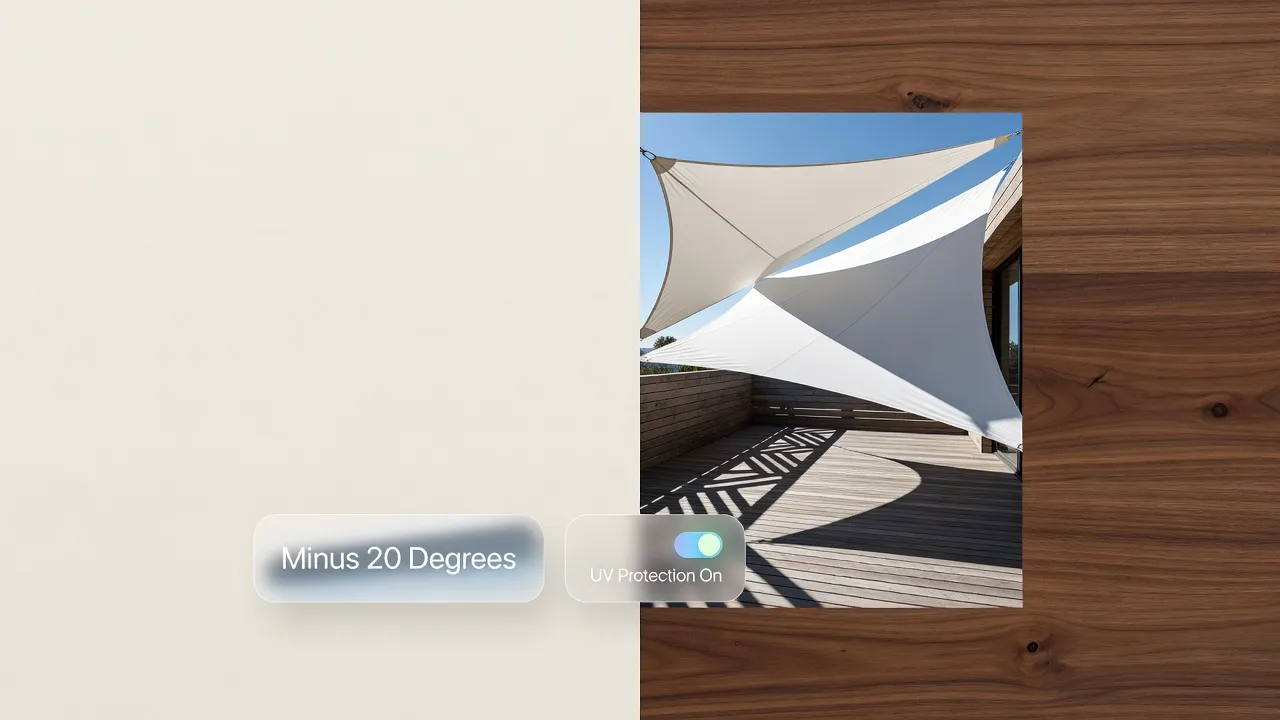
If you are looking for a lightweight, modern canopy that covers large areas without heavy support posts blocking your walkways, tensioned fabric shade sails are a brilliant option.
Deploying backyard shade sail ideas and mounting high-grade outdoor shade sails brings vibrant color and soft, glare-free light to open decks.
2 Low points diagonally opposite
Shade sail installation tactics:
- Select UV-Stabilized HDPE Fabric: Choose shade sails crafted from commercial-grade High-Density Polyethylene. HDPE fabric blocks up to 95% of harmful UV rays while letting air pass through freely so heat doesn't get trapped beneath the sail.
- Set Mounting Angles at 20 Degrees: Never mount a solid shade sail completely flat. Angle the sail at a minimum 20-degree slope so rainwater sheds off naturally instead of pooling into a heavy sagging bucket.
- Anchor into Structural Studs or Steel Posts: Secure stainless steel turnbuckles directly into house wall studs or 4-inch schedule-40 steel posts set in deep concrete footings.
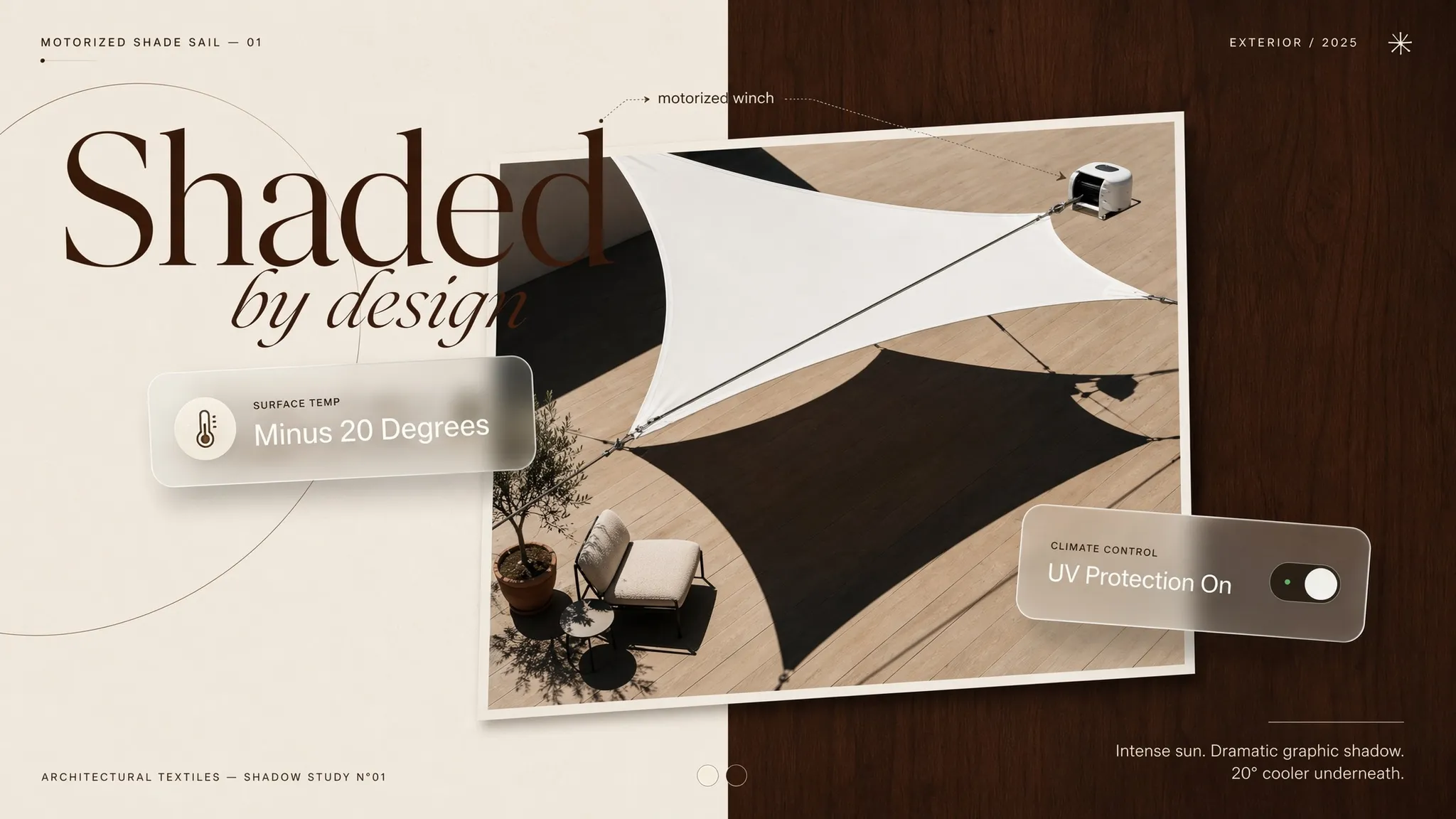
5. Choose a Large Patio Umbrella for Flexible Shade
When you want to shift shade between a sunbed, a dining table, and a children's play spot throughout the day, a static overhead roof can be limiting.
Exploring backyard umbrella ideas and picking a large outdoor patio umbrella delivers portable sun protection right where you need it most.
• Fixed angle misses low sun
• Restricts chair placement
• 360-degree rotation & 45-degree tilt
• Keeps legroom 100% open under table
Umbrella selection tactics:
- Choose Cantilever Offset Models: Pick a cantilever umbrella over a traditional center-pole design. Offsetting the main mast keeps heavy umbrella bases completely outside your seating footprint, leaving legroom wide open under dining tables.
- Specify 360-Degree Rotating Bases: Select umbrellas fitted with foot-pedal rotation mechanisms and pistol-grip tilt handles. This allows you to track the sun smoothly from morning coffee to sunset drinks without moving heavy bases.
- Use Solution-Dyed Acrylic Fabrics: Ensure umbrella canopies use solution-dyed acrylic fabrics (such as Sunbrella). Solution-dyed textiles resist fading, mold, and water damage for years.
6. Build a Covered Patio for More Reliable Sun and Rain Protection
If you want a true outdoor room that lets you sit outside through heavy downpours, scorching midday heatwaves, and chilly autumn evenings, building a solid patio roof is the ultimate solution.
Gathering covered patio ideas and creating a backyard covered seating area adds permanent architectural value to your home.
Covered patio guidelines:
- Extend Existing Rooflines: Match your patio roof pitch, shingles, and fascia trim to your primary house architecture. A seamless extension makes your covered outdoor room look intentional rather than tacked on.
- Install Insulated Roof Panels: Choose 3-inch thick structural insulated roof panels with a solid foam core. Foam insulation stops summer sun from radiating heat downward into your seating space.
- Integrate Recessed Ceiling Fans: Wire damp-rated ceiling fans and recessed LED pot lights directly into the roof frame to keep cool air moving during humid afternoons.
7. Plant Shade Trees to Cool Your Backyard Naturally
Structural awnings and sails work wonderfully, but nothing beats the relaxing breeze and soft filtered sunlight created by a mature living tree canopy.
Selecting native backyard shade trees and planting trees for backyard shade delivers an eco-friendly cooling system that lowers surrounding yard temperatures naturally.
• Can trap rising hot air underneath
• No seasonal change
• Filters glare into dappled afternoon shade
• Drops leaves in winter for warm sun access
Tree selection rules:
- Plant Deciduous Varieties Near South Windows: Choose fast-growing, non-invasive deciduous trees like Autumn Blaze Maples, Japanese Zelkovas, or Honey Locusts. Their wide summer canopies block harsh sun, while their bare winter branches let daylight warm your home.
- Maintain Safe Foundation Offsets: Plant medium-to-large shade trees at least 15 to 20 feet away from house foundations, septic lines, and concrete paver driveways to prevent root damage.
- Use Dappled Canopy Species for Gardens: Select trees with fine, delicate leaves (like Honey Locusts) that create soft dappled shade so underlying lawn grasses and shade perennials can still grow.
8. Add Outdoor Curtains and Privacy Screens Around Shaded Areas
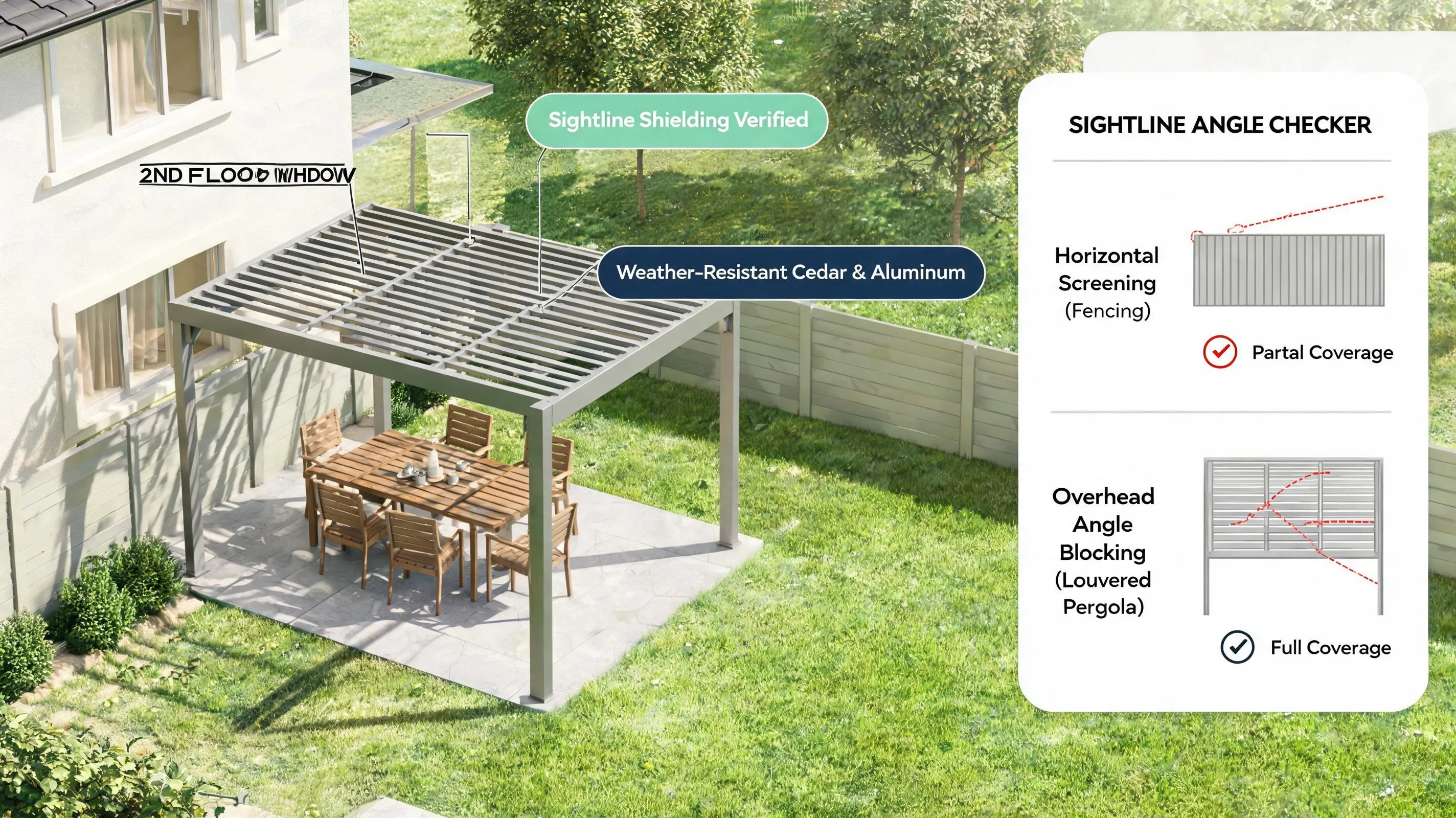
Overhead roofs block direct high-noon sun, but when 5:00 PM arrives, low-angle sunlight cuts sideways beneath your canopy, blinding anyone sitting on the patio.
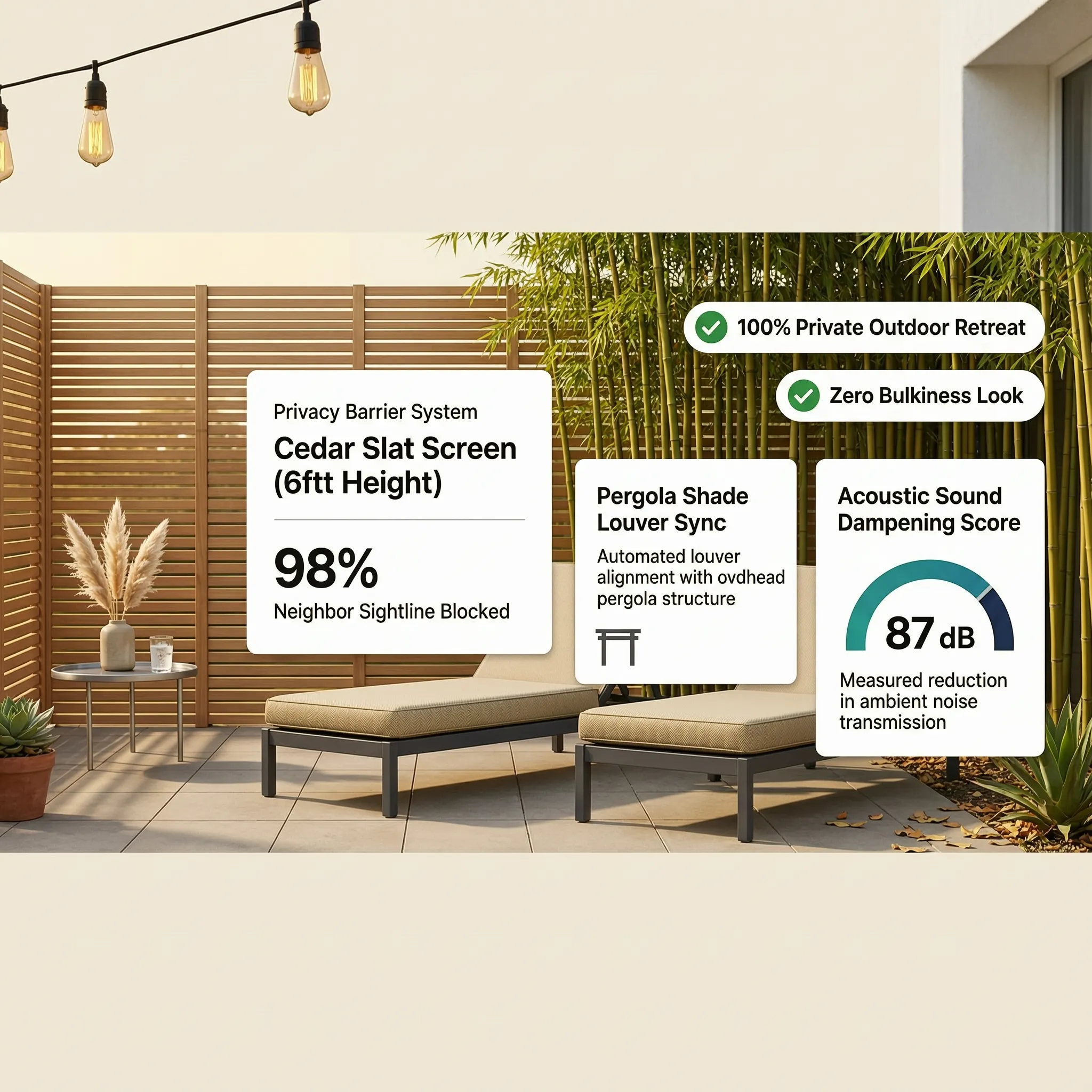
Hanging outdoor curtains for patio setups and mounting backyard shade screens seals off low-angle glare while adding resort-style privacy.
Side shade tactics:
- Install Motorized Zipper Track Screens: Mount roll-down solar mesh screens along open pergola sides. Zipper tracks lock screen edges into side channels, holding fabric taut against strong wind gusts.
- Use Weather-Resistant Acrylic Curtains: Hang outdoor drapes crafted from solution-dyed acrylics. Secure curtain bottoms with weighted hems or tie-backs to stop fabric from blowing across dining tables.
- Position Slatted Wooden Trellises: Build horizontal timber slat screens on the west side of your deck to block low-angle setting sun while keeping airflow open.
If you are exploring creative organization strategies across compact outdoor footprints, check out our guide on how to improve kitchen storage for high-efficiency point-of-use layout tactics.
9. Create Shade for Small Backyards Without Losing Valuable Space
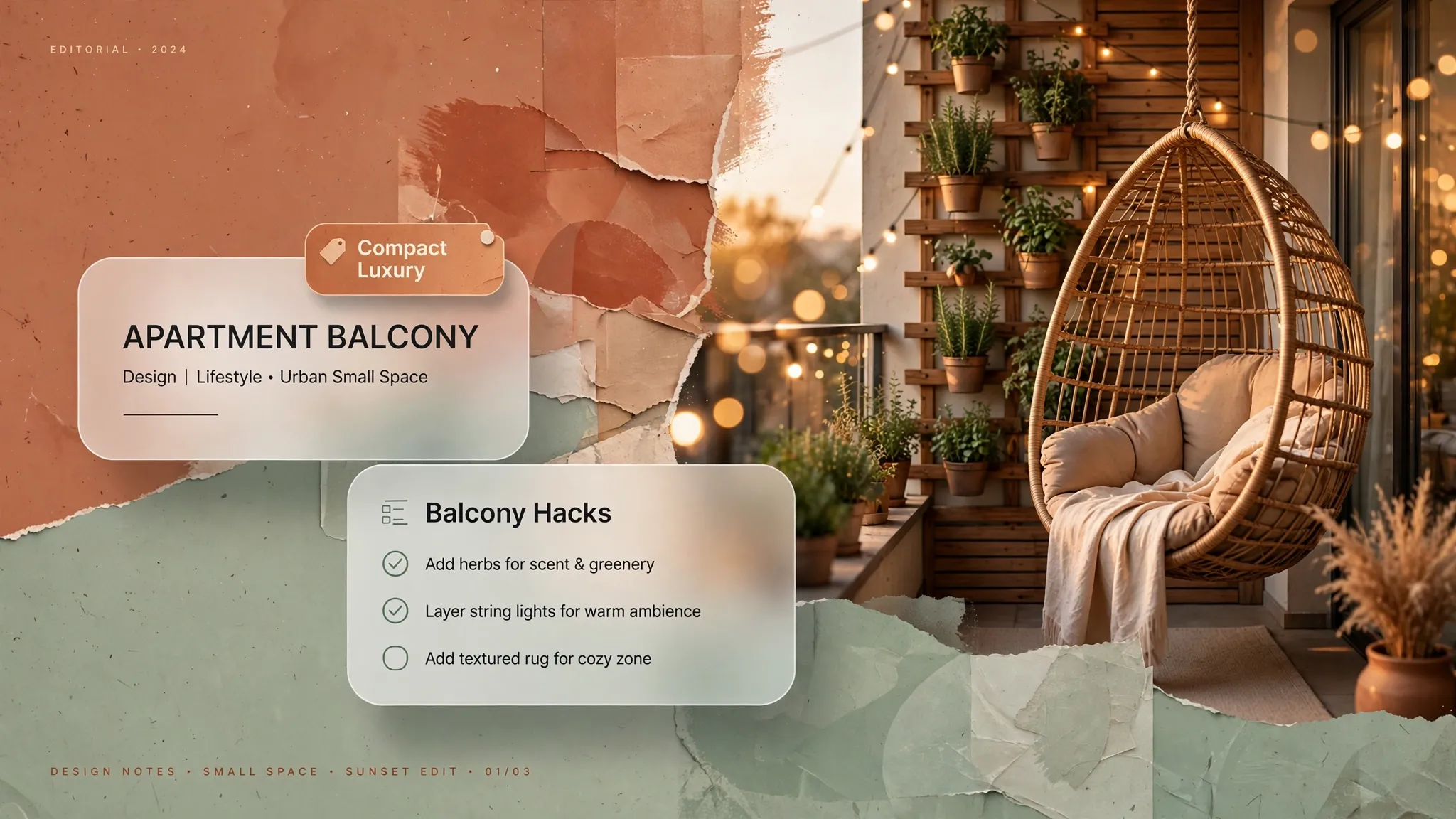
If you are managing a narrow townhouse patio or a tight condo deck, setting up bulky 4-post pergolas or massive umbrella bases swallows up your open walking space.
Gathering small backyard shade ideas and exploring shade ideas for small patios keeps your footprint clear while delivering brilliant relief from the sun.
Small-space shade rules:
- Install Wall-Mounted Retractable Awnings: Secure a lateral-arm retractable awning directly to your home's exterior wall studs. Crank it out for instant afternoon shade and roll it back to open up your space.
- Use Wall-Mounted Half-Umbrellas: Choose a half-round patio umbrella built with a flat back edge that sits flush against drywalls. This cuts out bulky center posts and saves 50% of your floorboards.
- Anchor Corner-to-Corner Sails: Float a light triangular shade sail overhead, anchoring two corners to roof fascia boards and one to a tall fence post to avoid ground posts entirely.
10. Choose Shade Materials That Suit Your Climate and Weather
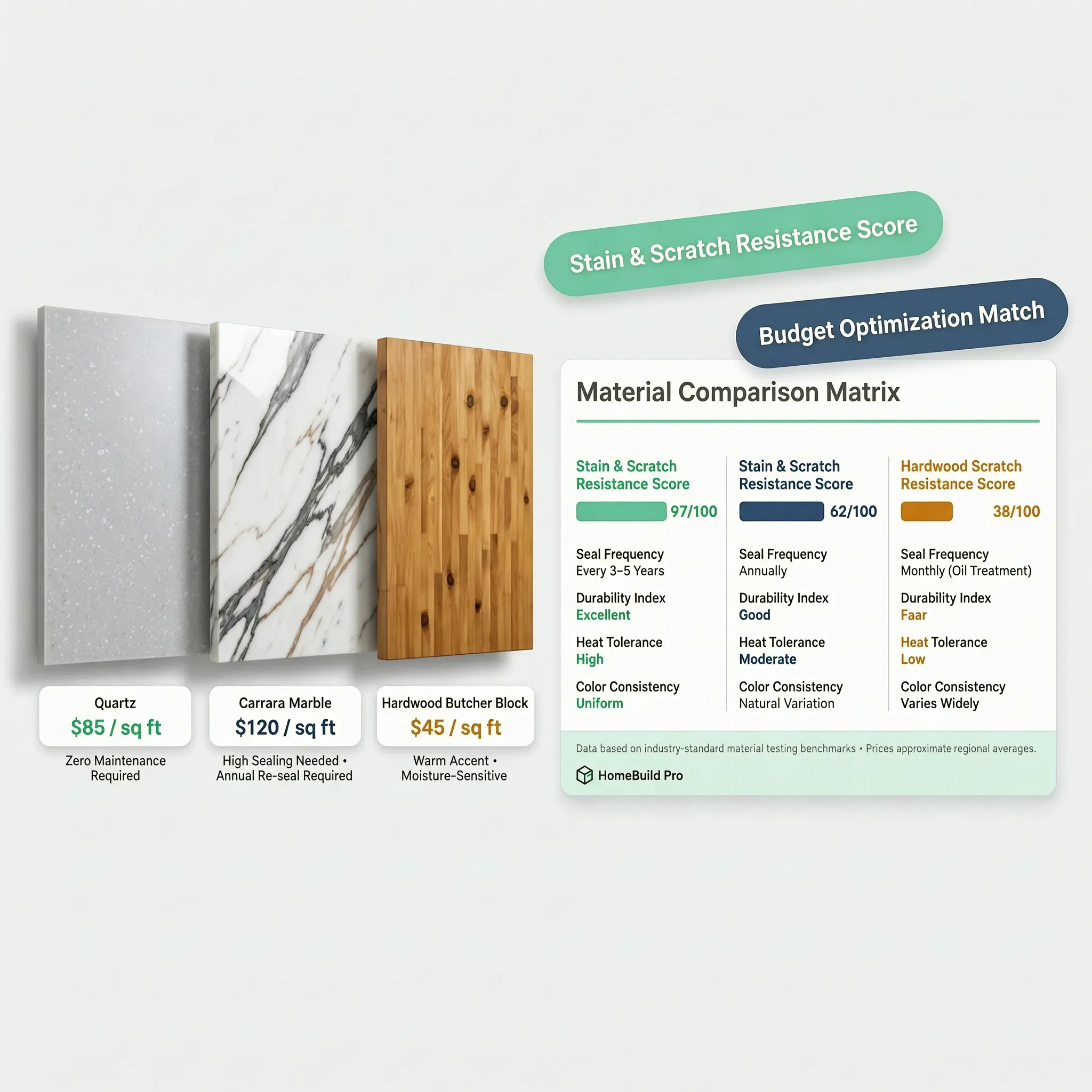
Buying cheap, low-grade shade fabrics or untreated timber leads to torn canopies, rusted frames, and faded covers after just one season outdoors.
Selecting durable outdoor shade materials, buying UV-resistant shade fabric, and building out a weatherproof backyard shade layout protects your investment long-term.
Material selection guidelines:
- Specify Solution-Dyed Acrylic Textiles: Ensure all umbrella canopies and outdoor drapes use solution-dyed yarns. Solution-dyed fabrics lock color deep inside fibers so they won't fade under intense sun exposure.
- Demand Marine-Grade Hardware: Use 316 stainless steel turnbuckles, D-rings, and pad eyes for all shade sail anchor points to prevent rust stains on your walls.
- Choose Powder-Coated Metal Frames: Select aluminum or galvanized steel structural frames with thick powder coating to stop rust and salt-air corrosion.
For guidance on eco-friendly finishes, non-toxic wood sealers, and sustainable outdoor textiles, visit the Sustainable Furnishings Council (SFC).
11. Combine Backyard Shade With Cooling Plants, Fans, and Outdoor Lighting
Standing under a shade canopy on a humid 95-degree afternoon can still feel uncomfortably stuffy if trapped hot air has nowhere to go.
Implementing targeted backyard cooling ideas, designing a cool shaded patio design, and installing an outdoor fan for patio areas transforms a basic shaded spot into a refreshing microclimate.
Cooling and lighting execution rules:
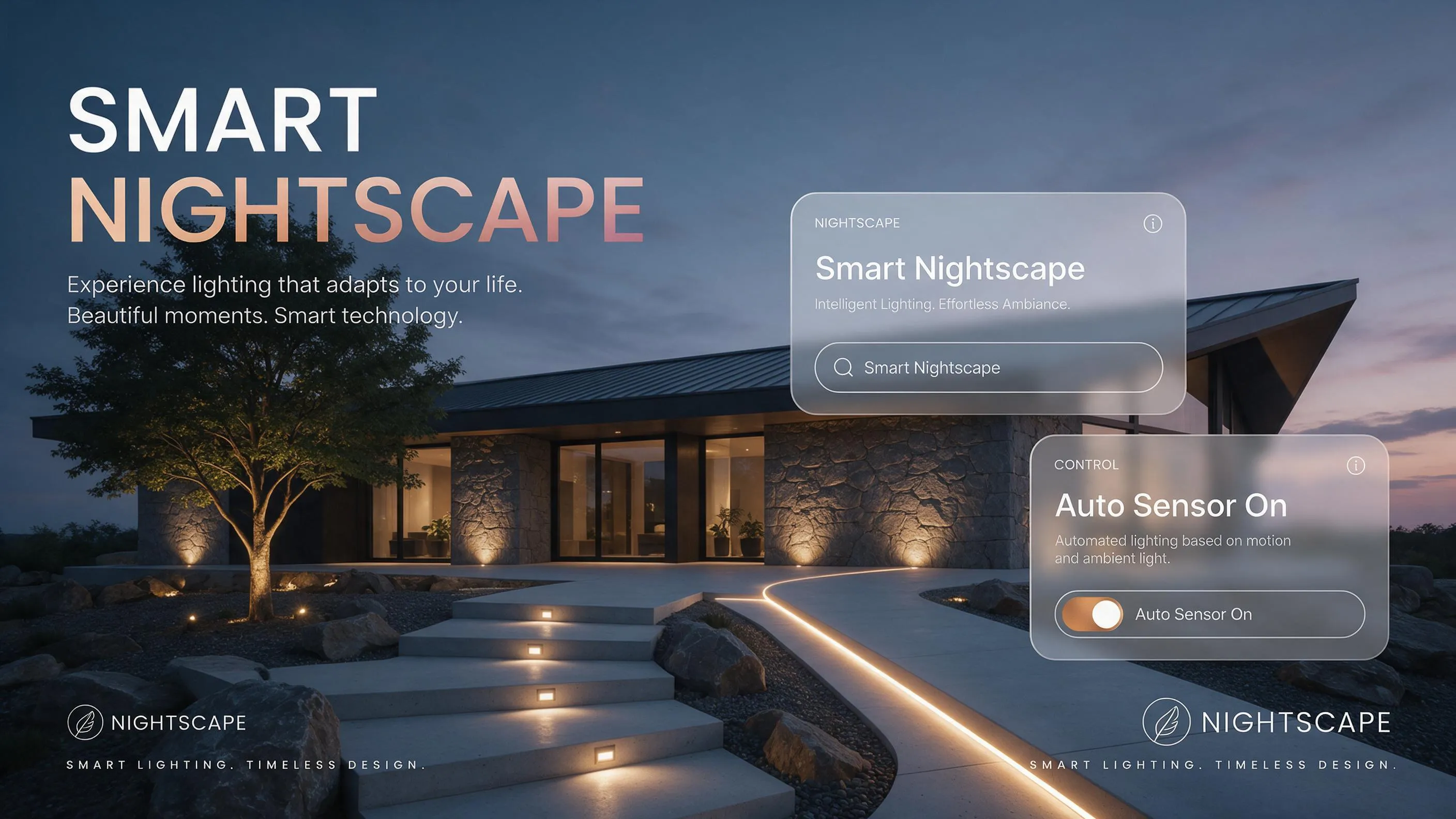
- Mount Wet-Rated Ceiling Fans: Install a 52-inch wet-rated outdoor ceiling fan directly over your lounge sectional. Moving air creates a wind-chill effect that makes the space feel 8 degrees cooler while keeping flies away.
- Add High-Pressure Misting Lines: Run an 800 PSI stainless steel misting line along your pergola frame. High-pressure misting flash-evaporates in air, dropping ambient temperatures by up to 20 degrees without soaking furniture.
- Layer Warm 2700K LED String Lights: Weave commercial-grade Edison string lights across your shade sail or louvered ceiling to transition your shaded sanctuary into a cozy evening lounge.
For technical standards on exterior lighting safety, dark-sky compliance, and glare reduction, visit the Illuminating Engineering Society (IES).
12. Plan a Backyard Shade Layout That Fits Your Space and Budget
Ready to transform your sun-baked patio into a cool, high-performance outdoor retreat where your family can comfortably relax, dine, and entertain all season long?
Before ordering shade sails, setting pergola posts, or buying umbrellas, bring all your sun angles, seating footprints, structural anchors, and cooling systems together into a unified backyard shade layout, backyard shade design, and affordable backyard shade ideas plan.
Your Shaded Backyard Sign-Off Checklist:
Step Into Your Cool Outdoor Retreat Today
You deserve an outdoor space that welcomes you with refreshing shade, complete comfort, and resort-style relaxation—no matter how hot the sun gets outside. Designing a high-performance shaded sanctuary doesn't require complex guesswork or sacrificing your yard's natural sunlight.
By focusing on targeted overhead canopies, louvered roofs, breathable HDPE fabrics, and side privacy drapes, you can eliminate blinding sun glare and build a cool outdoor retreat tailored to your exact lifestyle.
What specific sun-baked areas are currently holding you back in your yard? How can DesignHome help you visualize, craft, and refine your ultimate backyard shade layout today?
Frequently Asked Questions About Backyard Shade Ideas
Our patio turns into a blazing oven every afternoon. How do we reclaim our outdoor space from blinding heat?
Here is the raw truth: retreating indoors because high-noon sun bakes your patio pavers isn't enjoying your home—it is surrendering valuable living space to unbearable heat.
When your yard lacks proper overhead shelter, direct sun glare elevates deck temperatures, ruins afternoon relaxation, and leaves seating areas completely abandoned. Placing dynamic louvers, tensioned fabric canopies, or insulated roofs directly over your main lounging hubs establishes a high-performance backyard shade ideas strategy. Taking control of your spatial floor plan allows you to deploy targeted backyard shade solutions, turning a sun-baked patio into a refreshing retreat that drops ambient deck temperatures by up to 15 degrees.
How do I figure out where shade needs to go so I don't build a dark roof over the wrong spot?
Locking in your overhead canopy placement comes down to tracking hourly solar paths and identifying primary heat-reflecting surfaces before anchoring any support posts.
Follow this 3-step diagnostic to streamline your backyard shade planning:
- Track Hourly Solar Slanted Lines: Note where harsh sun rays hit your deck at 12:00 PM, 3:00 PM, and 6:00 PM to position shade for outdoor seating effectively.
- Locate Primary Heat Reflectors: Identify concrete slabs, glass sliding doors, or brick walls that absorb midday radiation and bounce heat back into sitting zones.
- Protect Interior Room Daylight: Verify that permanent overhead structures won't block essential natural daylight from entering adjacent kitchen or living room windows.
Can a modern louvered pergola really block high-noon sun and keep rain off our patio furniture?
Absoutely—and it gives you full control over sunlight levels throughout the entire day.
Exploring modern backyard pergola ideas delivers flexible, all-weather architectural protection:
- Specify Motorized Roof Louvers: Choose powder-coated aluminum frames featuring 0-to-130-degree motorized louvers to adjust pergola shade ideas from open morning sun to complete shade.
- Seal 100% Watertight: Rotate louvers shut during sudden rainstorms to direct water through integrated gutter channels and keep cushions dry.
- Anchor Into Structural Footings: Lag-bolt heavy support posts directly into concrete foundations or structural deck joists to resist high wind gusts safely.
Will hanging fabric shade sails give us great coverage without blocking our yard with heavy posts?
Yes—shade sails float gracefully overhead without taking up a single square inch of your floor space with bulky support legs.
Gathering backyard shade sail ideas allows you to mount sleek, breathable canopies:
- Select Commercial-Grade HDPE Mesh: Use high-density polyethylene fabric to craft outdoor shade sails that block up to 95% of UV rays while letting hot air rise out freely.
- Mount at a 20-Degree Slope: Angle fabric canopies at a 20-degree incline to ensure heavy rainwater sheds off automatically instead of pooling into sagging buckets.
- Anchor to Structural Studs: Secure stainless steel turnbuckles directly into house wall framing or deep-set steel posts for rock-solid stability.
We want movable shade that follows the sun. Are offset cantilever umbrellas strong enough for daily use?
Traditional center-pole umbrellas force you to compromise on table space, but cantilever models sit outside your footprint while offering total mobility.
Gathering smart backyard umbrella ideas leads directly to versatile, high-coverage shade:
- Pick Cantilever Offset Architecture: Select an offset arm design to keep heavy base plates out of foot paths, leaving legroom completely wide open underneath.
- Deploy 360-Degree Rotation: Choose a large outdoor patio umbrella featuring pistol-grip tilt levers and foot-pedal rotation to track low afternoon sun effortlessly.
- Specify Solution-Dyed Acrylic Canopies: Insist on Sunbrella or solution-dyed acrylic fabrics that resist UV fading, water stains, and mildew growth across heavy seasons.
Is a solid covered patio roof worth the investment if we want complete protection from sun and rain?
Building a solid roof extension creates a true outdoor room that lets you host outdoor dinners regardless of wild summer weather swings.
Exploring structural covered patio ideas creates an inviting, permanent architectural sanctuary:
- Match Primary House Lines: Extend existing roof pitches, shingles, and fascia trim so your backyard covered seating area looks like an original extension of your residence.
- Install Insulated Roof Panels: Use 3-inch structural foam-core panels to stop intense summer solar heat from radiating downward into sitting areas.
- Integrate Overhead Climate Control: Wire damp-rated ceiling fans and recessed pot lights directly into the roof frame to keep cool air circulating during humid afternoons.
Can planting shade trees actually cool down our backyard without building artificial structures?
Giving up mechanical roofs doesn't mean enduring heat; planting a natural living canopy creates a relaxing breeze and dappled filtered light across your property.
Selecting native backyard shade trees establishes a self-cooling natural ecosystem:
- Plant Deciduous Species Near South Walls: Position Autumn Blaze Maples or Honey Locusts to block harsh summer rays while dropping leaves in winter to let warm light through.
- Utilize Natural Transpiration Cooling: Benefit from living leaves evaporating moisture into the air, creating trees for backyard shade that lower ambient temperatures naturally.
- Maintain Safe Foundation Offsets: Plant large canopy trees at least 15 to 20 feet away from home foundations, plumbing lines, and hardscape driveways.
Overhead roofs help at noon, but low late-afternoon sun cuts right under the canopy. How do we block glare?
When 5:00 PM arrives, low-angle solar rays slide beneath overhead structures, blinding anyone sitting around the patio table.
Hanging outdoor curtains for patio builds complete vertical sun defense:
- Install Zipper-Track Solar Mesh: Mount roll-down solar mesh screens along open pergola sides to block low-angle glare while securing backyard shade screens against wind.
- Hang Outdoor Linen Panels: Drape solution-dyed acrylic curtains along upper beams to add soft texture while shielding eyes from horizontal light rays.
- Position Slatted Timber Screens: Construct fixed horizontal wood slat trellises on west-facing deck edges to diffuse setting sun while maintaining cool airflow.
Our townhouse patio is tiny. How do we get real shade without losing precious floor space?
Managing a tight urban slab means traditional 4-post structures or bulky umbrella bases swallow up your open walking channels instantly.
Gathering small backyard shade ideas relies on clever vertical mounting strategies:
- Install Wall-Mounted Awnings: Secure lateral-arm retractable awnings to exterior studs for shade ideas for small patios that roll completely out of sight on demand.
- Deploy Space-Saving Half-Umbrellas: Choose flat-backed half-round umbrellas designed to rest flush against exterior walls without center-post interference.
- Anchor Soffit-to-Post Sails: Float lightweight triangular shade sails overhead, connecting two corners to roof soffits to eliminate ground support posts entirely.
What outdoor shade fabrics and hardware materials won't tear, fade, or rust after one rough winter?
Buying low-grade polyester canopies or unsealed steel hardware leaves you dealing with shredded fabrics, faded colors, and ugly rust stains across your deck.
Selecting durable outdoor shade materials protects your investment long-term:
- Demand Solution-Dyed Yarns: Ensure all woven fabrics use solution-dyed acrylic fibers that lock color deep into the material to create UV-resistant shade fabric.
- Use Marine-Grade 316 Stainless Hardware: Install 316-grade stainless steel turnbuckles, pad eyes, and D-rings for all sail anchor points to prevent corrosion.
- Select Powder-Coated Metal Frames: Choose heavy aluminum structural posts coated in weather-resistant powder finishes to construct a weatherproof backyard shade environment.
How do we make our shaded patio feel fresh and airy when humid summer days get stuffy?
Trapped heat beneath a solid roof canopy can make sitting outside feel humid and sticky if air isn't actively moving across your lounge.
Deploying targeted backyard cooling ideas builds a refreshing microclimate:
- Mount Wet-Rated Ceiling Fans: Install 52-inch outdoor ceiling fans over sectionals to create a wind-chill effect while designing a comfortable shaded patio design.
- Install Misting Line Hardware: Run high-pressure 800 PSI misting lines along pergola beams to drop ambient temperatures up to 20 degrees using an outdoor fan for patio setup.
- Layer Dimmable 2700K LEDs: Weave warm Edison string lights underneath shade roofs to transition your cool sanctuary into a cozy evening lounge.
How can I test my complete shade layout, sun angles, and canopy clearances before spending money?
Stop guessing solar paths, wrestling with tight umbrella clearances, and worrying if a pergola post will block your sliding glass doors. You can test your exact floor plan, sun angles, and visual sightlines in interactive 3D before spending a single dollar on renovation work.
Uncertainty creates delays; smart spatial planning creates perfection. Instead of relying on static 2D blueprints or hoping your furniture fits, DesignHome Synthesis AI gives you an interactive canvas to test shade sail tension angles, simulate louvered pergola rotations, and balance overhead canopy clearances with total precision.


